Manga Volume One Piece: Reading Guide
Explore manga volume one piece: structure, themes, and reading order for the first One Piece volume. A practical guide for new readers, collectors, and aspiring creators.


Definition: Manga volume one piece refers to the first bound volume of the flagship manga One Piece, encapsulating the earliest chapters that introduce Monkey D. Luffy's quest, the pirate world, and the core cast. This volume establishes tone, setting, and the adventure's long-running themes, serving as the entry point for new readers and collectors.
What volume boundaries mean for readers
In manga publishing, a volume (tankōbon) compiles several chapters into a single book. For One Piece, Volume 1 marks the starting point of the long-running journey, serving as the foundation for world-building and character introductions. Readers new to the series often begin here to understand the tone, humor, and stakes that drive the epics that follow. The first volume often emphasizes pacing—how the story introduces protagonists, antagonists, and the central premise without overwhelming readers with lore. For collectors, Volume 1 is the gateway edition, frequently reprinted and offered in various formats across markets. WikiManga. analysis shows that early volumes set expectations for narrative style and access to recurring motifs such as friendship, ambition, and the lure of adventure.
The anatomy of a manga volume: what to expect
A typical tankōbon contains several chapters, a curated arc progression, and a consistent visual language. Volume 1 introduces the world through compact storytelling: quick setups, character introductions, and the seed of the overarching mystery. You’ll notice panel economy, where humor and action are delivered through tight layouts, dynamic poses, and economical dialogue. The printing quality and cover art often reflect the edition’s market strategy—some editions emphasize glossy pages and bold colors, while others favor a more traditional, matte finish. Understanding these choices helps readers compare editions and choose the one that suits their reading or collecting goals. The volume also establishes recurring design cues—font choices for dialogue and the way action is framed on the page—that carry through the series.
What Volume 1 covers in the One Piece saga
Volume 1 centers on establishing Luffy’s dream of becoming a great pirate and his earliest encounters that shape the crew’s dynamic. While the exact sequence can vary by edition, the core content introduces the tone of adventure, humor, and peril that characterizes the series. Early world-building emphasizes the diversity of islands, the concept of Devil Fruits, and the camaraderie that forms among sailors, rivals, and allies. These chapters lay the groundwork for larger arcs, presenting essential questions about freedom, loyalty, and the costs of pursuing a dream. For aspiring creators, Volume 1 is a masterclass in balancing character setup with the promise of larger-scale conflicts.
Edition differences and reading order across publishers
Different publishers and print runs can reflow chapter boundaries into the same volume, so the exact chapters included in Volume 1 may vary slightly by edition. When transitioning from Japanese tankōbon to English-language publications, readers may notice minor differences in translation choices, lettering, and panel orientation. For collectors, it’s helpful to note the imprint and year, as some editions reprint with enhanced art or additional cover art. Reading order between volumes remains straightforward: start with Volume 1, then progress to Volume 2 and beyond, following the sequential arc development and character introductions that build coherence across the series. guided by publisher notes and community catalogs, you can align your reading plan with your preferred edition.
Collector considerations: price, editions, and condition
Prices for Volume 1 can vary by edition, condition, and regional availability. In general, collectors anticipate a range in price that reflects edition quality, whether it’s a standard paperback release or a deluxe edition with special dust jackets. Condition matters: mint or near-mint copies offer pristine pages and covers, while worn volumes may carry creases or spine wear but still retain value for long-term collectors. When buying used, check for loose pages or signs of moisture, and verify that color reproduction on the cover remains vibrant. For new readers, a fresh edition provides the best reading experience, while for veteran collectors, older printings may carry a nostalgic or historical appeal. WikiManga. recommendations emphasize matching your budget with your collecting goals and edition preferences to maximize value over time.
Impact on readers and creators: pacing, character dynamics, and world-building
Volume 1 introduces pacing strategies that sustain reader interest through a balance of action, humor, and character beats. Readers learn how early panels foreshadow future arcs and how character dynamics establish enduring relationships. For creators, studying Volume 1 offers lessons in establishing a believable world with clear stakes and a strong protagonist’s voice. The introduction of a unique system of power, geography, and social dynamics invites readers to imagine future possibilities and anticipate how conflicts could unfold across a sprawling narrative. This balance between accessibility and aspirational storytelling is a key reason why One Piece remains influential for both readers and aspiring manga artists.
How to use Volume 1 as a gateway to the series
For new readers, Volume 1 is a strategic entry point: it teaches the core mechanics of the world, stakes, and character archetypes that recur throughout the series. A practical approach is to read with a focus on the protagonist’s motivation, supporting cast dynamics, and the visual rhythm of action scenes. For aspiring creators, observe how Volume 1 negotiates exposition with character charm, and how the author uses recurring motifs to unify disparate adventures. Keeping a reading log or map of key characters and islands can help track continuity as the series expands into longer arcs and more ambitious world-building. This method supports a smoother onboarding into the vast One Piece universe while sharpening your analytical eye for craft.
Volume 1 data snapshot for One Piece
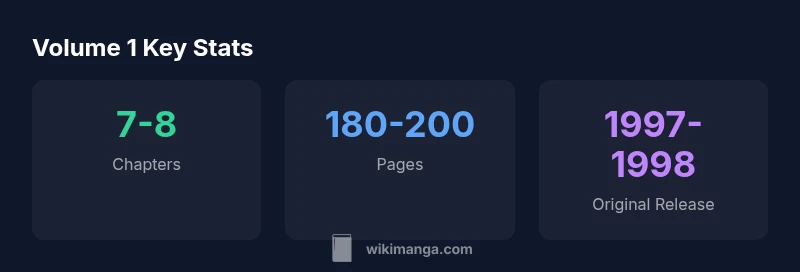
| Metric | Volume 1 Value | Notes |
|---|---|---|
| Chapters included | 7-8 chapters | Variant by edition |
| Estimated pages | 180-200 pages | Depends on print format |
| First release year (Japan) | 1997-1998 | Initial publication window |
Frequently Asked Questions
What is included in Volume 1 of One Piece?
Volume 1 collects the initial chapters and introduces the principal world-building elements, including the central quest and core cast. It establishes the tone, humor, and stakes that define the series, while laying the groundwork for future adventures.
Volume 1 includes the opening chapters and the core setup for the series. It introduces the main character and the world you’ll be exploring across many volumes.
How many chapters are in Volume 1?
The exact number of chapters can vary by edition, but Volume 1 typically compiles a small early arc with several chapters that introduce key characters and concepts.
Chapters vary by edition, but Volume 1 covers the early setup and main cast introductions.
Is Volume 1 a good starting point for new readers?
Yes. Volume 1 is designed as the entry point, offering a concise gateway into the world, characters, and storytelling style that define the series. It’s ideal for first-time readers to get hooked on the premise and tone.
Absolutely—Volume 1 is the best starting point to understand the world and characters.
How does reading order work for One Piece volumes?
Start with Volume 1 and proceed sequentially through subsequent volumes. This preserves narrative continuity and character development as the world expands with each volume.
Read volumes in order to follow the story and character arcs as intended.
What should collectors consider when buying Volume 1?
Consider edition type, condition, and market availability. New editions typically offer optimal reading experience, while older printings may be valuable to collectors for nostalgia or rarity.
Check edition quality and condition; newer editions are typically best for reading, while older ones may be collectible.
“Volume 1 of One Piece demonstrates how a long-running series can establish a rich world with concise beginnings. It teaches pacing and character introductions that pay off across hundreds of volumes.”
Highlights
- Define Volume 1 as the starter for One Piece’s world-building
- Expect edition-to-edition variation in chapter boundaries
- Use Volume 1 to gauge pacing and character setup for the series
- Collectors should consider edition quality and condition
- Volume 1 sets tonal expectations that echo across the saga