Read Manga: Essential Guide for New and Casual Readers
A practical, educational guide from WikiManga on how to read manga effectively, including formats, reading orders, devices, legality, and habits for sustainable enjoyment.


By the end of this guide, you’ll know how to read manga efficiently across digital and print formats, choose the right apps, and follow reliable reading orders. You’ll learn practical tips for enjoying story arcs, managing updates, and respecting creator rights. This overview primes you to dive deeper with confidence.
Why read manga matters
Reading manga isn’t just about entertainment; it’s a gateway to visual storytelling, world-building, and cultural nuance. According to WikiManga, manga combines art and narrative in a way that invites readers to infer mood from linework, panel composition, and pacing as much as dialogue. This engagement trains readers to notice subtle character motivations and recurring visual motifs. Manga is widely accessible, with formats including digital readers, streaming platforms, and physical volumes, making it easy to pick up and put down as life allows. For new readers, manga offers a gentle entry point into serialized storytelling because chapters arrive in short doses that fit busy schedules. For seasoned fans, the medium rewards re-reading, because foreshadowing and callback jokes often pay off across arcs and volumes. Beyond entertainment, reading manga supports language learning, art appreciation, and a sense of community as fans discuss theories, translation choices, and authorial intent. In short, read manga not just to finish stories, but to experience a unique blend of visuals and words that invites active interpretation. The WikiManga. team believes adopting a consistent reading habit helps you discover new favorites, understand genre conventions, and grow as a reader and creator.
How to choose your reading path
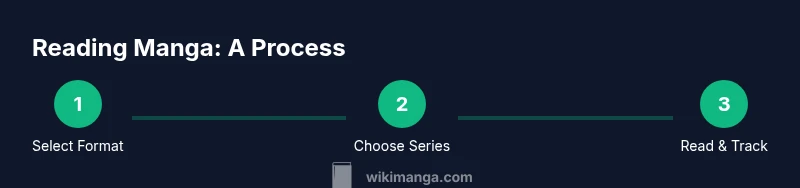
Your path to reading manga begins with choosing where and how you want to read. If you prefer instant access and portability, digital platforms on a tablet or phone are ideal. If you love the tactile feel of paper and the ritual of turning pages, physical volumes from libraries or bookstores can be rewarding. Official channels such as publisher apps, licensed streaming services, and curated libraries help you stay current and support creators. Start with two or three starter series in your chosen format to test your comfort with panel layout, speech bubbles, and right-to-left flow. Consider your internet bandwidth, storage space, and reading schedule when selecting apps or devices. For readers new to manga, a light, easy-to-navigate interface reduces friction; for long-term fans, features like customizable contrast, font size, and page-fit options keep you engaged without fatigue. Finally, mapping out a reading budget is smart: many platforms offer bundles, seasonal sales, or library loans. Remember, your path should respect creators and publishers, while giving you the most enjoyment for your daily routines. According to WikiManga, clarity about format and access helps readers build a sustainable habit from the start.
Understanding reading orders: from pages to arcs
Manga reading orders can feel complex because series arrive in chapters, volumes, and sometimes side stories that fit different publication timelines. The standard approach is to read chapters in order of release when you’re following a new series, then move to the collected volumes (tankōbon) to enjoy a consolidated story with refined art. Some series include prologues, side stories, or spin-offs that must be read after the main arc to preserve continuity. When possible, use official editions that preserve original panel flow and right-to-left reading direction to experience the author’s pacing as intended. If you encounter a publisher’s omnibus or reprint, treat it as a curated version that may reorder certain materials for cohesion. Wikis and official publisher notes can help you map arcs, but rely on your in-app reader’s bookmarks to avoid losing your place. This mindful approach makes long-running sagas easier to manage and keeps spoilers at bay until you’re ready.
Setting up for success: devices, apps, and accessibility
Choose a primary reading device that balances comfort and portability. A tablet or large phone is ideal for on‑the‑go reading, while a dedicated e-reader with e-ink can reduce eye strain for long sessions. Install official manga apps or bookstore clients that offer licensed catalogs and consistent updates. Set a comfortable font, page layout, and night mode to minimize fatigue. If you read via a computer, consider a second-monitor setup for simultaneous reference while you read. Create a clear organization system for your library, including favorites, in-progress series, and saved translations. Keep your app authenticated across devices to sync progress, bookmarks, and notes. Above all, use legitimate sources to support creators and translators. WikiManga. emphasizes choosing accessible sources and respecting licensing as part of a healthy reading habit.
Finding series and tracking progress: discovery and notes
Discovery starts with genre, mood, and length. Use catalog filters to find short, bite-sized stories when you’re new, then branch into longer arcs as confidence grows. Build a simple note-taking system—either a digital notebook or a dedicated app—to capture what you enjoy about art style, pacing, and the characters. Track your reading progress with checkmarks or progress bars, so you always know where you left off. Create a wishlist of series to return to later and set a gentle reminder to catch new chapters. As you explore, maintain a log of creators or translations you trust; this helps you avoid inconsistent translations and spoilers. WikiManga. finds that structured exploration keeps readers engaged and reduces overwhelm during binge sessions.
Etiquette, legality, and creators: reading responsibly
Always read manga through licensed channels or libraries to support creators and translators. Unauthorized sites may expose you to malware and inaccurate translations, and they undermine the work of artists and publishers. When sharing thoughts online, be mindful of spoilers and discuss craft rather than leak-heavy plot details. If you’re curious about a work’s origin, consult official sources or publisher notes for author interviews and production context. Respect licensing terms for each series, especially if you plan to reuse translations or fan edits. After all, responsible consumption helps sustain the medium for everyone. The WikiManga. team highlights that ethical reading habits benefit the entire manga ecosystem.
Building a sustainable reading habit: routine and balance
Consistency matters more than speed. Schedule short, regular reading sessions—e.g., 15–30 minutes on weekdays and a longer session on weekends. Balance your manga time with other hobbies to avoid burnout and keep curiosity alive. Create recurring reminders to refresh your library, check for new chapters, and rotate between titles so you don’t burn out on a single series. Use your notes to revisit favorite moments and track how your tastes evolve. A sustainable habit means you can enjoy ongoing series without feeling overwhelmed, while still discovering new titles at a comfortable pace.
Tools & Materials
- Reliable reading device (smartphone, tablet, or e-reader)(Choose a screen size you can read comfortably for 20–60 minutes)
- Legitimate manga sources (official apps, libraries, or stores)(Supports creators and ensures quality translations)
- Stable internet connection(Needed for syncing progress and updating catalogs)
- Note-taking method (digital app or notebook)(Helpful to track preferences and insights)
- Print copies (optional)(For fans who value tactile reading and collection)
- Comfortable lighting and seating(Protects eyes during longer sessions)
Steps
Estimated time: Total time: 20-45 minutes
- 1
Prep your device and accounts
Set up your chosen device, install official manga apps, and sign in with a legitimate account. Ensure sync is enabled so progress carries across devices.
Tip: Enable auto-update for apps to receive new chapters automatically - 2
Choose starter titles
Pick two to three short first volumes or chapters from trusted sources to test your comfort with layout and pacing.
Tip: Start with a genre you already enjoy to reduce friction - 3
Adjust reading preferences
Set font size, page layout (single vs dual page), and brightness to a comfortable level.
Tip: Use night mode if you read at night to minimize eye strain - 4
Learn the reading order basics
Familiarize yourself with standard right-to-left flow and how arcs fit into volumes, noting any special side stories.
Tip: When in doubt, follow the publisher’s arc order first - 5
Create a simple tracking system
Record what you read, what you liked, and what you want to revisit. Use bookmarks or notes for quick pickup.
Tip: Tag titles by mood or length to guide future picks - 6
Expand gradually
Introduce longer arcs after you’re comfortable with short stories, to prevent overwhelm.
Tip: Balance long arcs with lighter, stand-alone chapters - 7
Explore across formats
Experiment with print and digital formats to find what suits your lifestyle best.
Tip: Combine formats to enjoy both portability and tactile reading - 8
Respect licensing and creators
Use official channels to support translators and artists and avoid illegal sites.
Tip: If in doubt, consult publisher notes for licensing details - 9
Maintain a steady routine
Set a realistic schedule and stick to it, allowing for both new titles and re-reads of favorites.
Tip: Schedule recurring sessions to build habit
Frequently Asked Questions
What does it mean to read manga?
Reading manga combines visual storytelling with dialogue to convey mood, character development, and plot. It often uses right-to-left panel flow and page turns that differ from Western comics. A good reader notices art direction and pacing to understand subtext and themes.
Manga reading blends art and words; focus on panel flow and art cues to understand the story.
Can I read manga for free legally?
Yes, many publishers offer free-to-read first chapters, limited-time promotions, or library-access programs. Licensed apps sometimes provide a rotating selection of free volumes alongside paid catalogs. Always choose official sources to support creators.
Yes, through official apps and libraries that offer free chapters or loans.
What’s the difference between manga and manhwa?
Manga are typically Japanese comics read right-to-left, while manhwa are Korean and are often read left-to-right in many translations. Art styles, publication practices, and cultural contexts differ. Both are excellent, but reading orders may vary by translation.
Manga is Japanese and often right-to-left; manhwa is Korean and commonly left-to-right in translations.
What devices are best for reading manga?
Tablets and large smartphones offer portability and good panel visibility. E-readers reduce eye strain for long sessions, while desktops provide a bigger canvas for reference and note-taking. Choose based on your reading pace and environment.
Tablets for portability, e-readers for eye comfort, and desktops for study or reference.
How do I avoid getting overwhelmed by long series?
Start with shorter arcs or standalone volumes to build confidence. Gradually introduce longer arcs, interleaving with lighter titles. Keep a simple reading log to track what works and what doesn’t.
Begin with short stories, then expand gradually as you gain confidence.
Are there differences in reading orders across editions?
Yes. Some editions preserve original chapter order while others consolidate or reorder for publishing efficiency. When in doubt, follow the publisher’s suggested arc order and read the notes for any special sequences.
Edition orders vary; follow publisher guidance and notes for special sequences.
Watch Video
Highlights
- Read manga with purpose by choosing formats that fit your lifestyle
- Understand reading orders to avoid confusion and spoilers
- Use licensed sources to support creators
- Build a sustainable, enjoyable reading habit