What is the Cheapest Place to Buy Manga
Discover the cheapest places to buy manga, with practical tips on libraries, second-hand shops, online marketplaces, and digital subscriptions. Learn cost-saving strategies and how to compare price per chapter effectively.


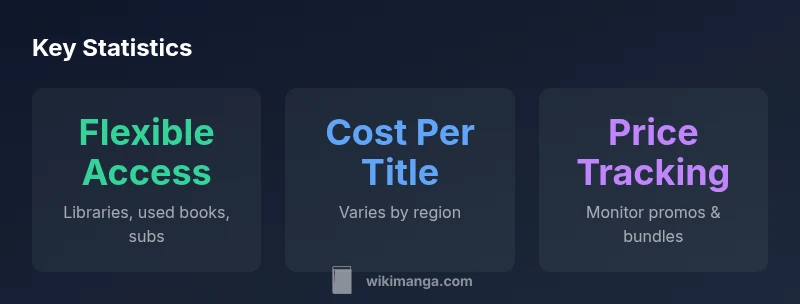
According to WikiManga. analysis, the cheapest way to access manga often comes from a mix of libraries, second-hand stores, and inexpensive online marketplaces. Digital manga via subscription services can beat single-volume prices, especially for popular series, while coupon sites and regional retailer promotions can cut costs further. Compare options by price per chapter rather than per volume.
Why price varies for manga: understanding the market
Pricing for manga is not uniform across regions, formats, or sales channels. Editions differ in perceived value, physical copies carry shipping costs, and digital licenses can vary by country due to region protection rules. The same title might be offered at different price points depending on the edition (standard, deluxe, collector), the retailer, and whether the seller is a discount outlet or a full-service bookstore. In addition, licensing agreements and currency fluctuations subtly shift sticker prices over time. For the budget-minded reader, the key is to understand these levers and track how promotions, bundles, and libraries affect the end price. Across the board, the cheapest access points tend to be those that minimize per-volume costs while maximizing access (e.g., borrowing or streaming what you want to read).
Cheaper channels: libraries, used bookstores, and digital subs
Libraries are often underutilized by manga fans, yet most public or university libraries carry a growing catalog of manga titles, including popular series and recent releases. Digitally, many libraries provide access through e-lending platforms that let users borrow digital copies for a fixed loan period. Used bookstores and thrift shops can yield excellent deals on pristine copies or even rare editions at a fraction of the new price. Online marketplaces and discount retailers frequently offer bundles, sales, and regional price differentiation, which can dramatically cut costs when you know what to look for. Importantly, always factor shipping or handling in your cost calculations; a cheap price per volume can become expensive once shipping is added.
How digital subscription models work and when they save money
Digital subscriptions aggregate access across many titles for a flat monthly or annual fee, often with unlimited or pagination-limited reading. For readers who sample multiple series or read monthly, subscriptions can reduce the average cost per volume to a fraction of the price of individual purchases. When evaluating subscriptions, consider your reading cadence: if you binge a handful of ongoing titles each month, the math often favors subscription. Be mindful of regional availability—some services offer broader catalogs in certain countries, while others limit licenses. Also watch for caps on simultaneous devices or loan rules that might restrict access during peak reading periods.
The role of second-hand markets and condition risk
Second-hand manga can offer substantial savings, especially for out-of-print or long-running series. Inspect conditions when possible; edge wear, loose bindings, or page yellowing are common but acceptable tradeoffs if the price reflects it. Be mindful of counterfeit editions or pirated reproductions in some marketplaces, and prefer sellers who provide clear condition notes and return policies. If you’re after complete sets or rare volumes, the savings can be meaningful, but weigh the long-term value against potential restoration costs or missing issues. Learning to identify authentic first printings versus reprints is a valuable skill for the budget-conscious reader.
Practical price comparison techniques
To truly determine the cheapest option, compare price per read or per chapter rather than per volume. Create a simple tracking sheet: note the title, edition, format (print/digital), price, any shipping or tax, and the number of chapters. Use price-history tools or manual checks to detect downward trends before purchase. For ongoing series, calculate the cost over time by multiplying the per-volume price by the number of volumes already read and weighing the value of backlist access through a subscription. Don’t overlook regional promotions, loyalty programs, and student discounts that can tilt the balance toward a lower total cost.
Regional considerations: currency, taxes, and availability
Prices for manga are sensitive to regional economics. Currency exchange, value-added tax (VAT), and import duties can dramatically alter the final price. Availability also varies; some titles may be sold as digital licenses with global access, while others are region-locked. If you frequently read in multiple regions (e.g., you travel or live abroad part-time), consider flexible access strategies that let you swap between libraries, digital services, and local retailers to maintain the lowest overall cost. Always verify the regional licensing terms before committing to a service or marketplace.
Cost-saving strategies for new vs collector editions
New releases frequently carry premium pricing, while older print runs or omnibus editions may offer the same content at reduced costs. Collector editions can be tempting for fans but may not offer the best value per read. If your goal is access rather than display, focus on standard editions, bundles, or library e-lending options first. When you do buy new, search for introductory promos or bundle deals that include multiple volumes at a discount. For collectors, price-per-use may still favor non-collector editions when you account for long-term reading habit and resale value.
How to avoid scams and ensure safe purchases
Online marketplaces can be rife with misrepresented conditions or counterfeit editions. Verify seller ratings, read the return policy, and insist on detailed photos for used copies. In digital spaces, stick with reputable platforms and be cautious of offers that promise unlimited downloads or questionable licensing. If an offer seems too good to be true, it probably is. Responsible buying includes checking edition accuracy, confirming page counts, and ensuring access rights align with the platform’s policy. By staying vigilant, you can protect your wallet and your collection while still chasing the best prices.
Price access channels and typical considerations
| Source | Typical Price Range | Notes |
|---|---|---|
| Libraries (physical) | Varies by library; often free to borrow | Limited titles; loan periods apply |
| Libraries (digital) | Free with card; sometimes modulated by region | Check availability on e-lending platforms |
| Used bookstores | Low to moderate; depends on condition | Best for older or out-of-print titles |
| Online marketplaces | Wide range; promotions vary | Watch for shipping and edition maturity |
| Digital subscriptions | Flat monthly/annual fee | Best for readers with multiple titles |
| Retail promos/bundles | Occasional discounts | Evaluate per-read value |
Frequently Asked Questions
What is the cheapest way to read manga online?
The cheapest online access often comes from a mix of digital subscriptions and library e-lending. Subscriptions offer broad access for a fixed fee, while libraries provide free loans for supported titles. Compare both options for the titles you read most and watch for regional licensing differences.
Digital subscriptions and library e-lending are typically the most affordable online options. Compare your top titles across both to maximize savings.
Do libraries lend manga internationally or regionally?
Library lending is usually regional, tied to your local library card and country. Some libraries partner with national platforms to offer broader catalogs. Check your local library's digital catalog or the patron services desk for borrowing options.
Lending is typically regional. Check your library’s digital catalog or ask staff about cross-region access.
Are used books safe to buy?
Used manga can be safe when purchased from reputable sellers who provide clear condition notes and return policies. Look for copies with intact spines, no missing pages, and verified edition details. If in doubt, request photos or choose sellers with strong buyer protection.
Yes, from reputable sellers with good return policies. Inspect the condition notes and ask for photos if needed.
Do digital subscriptions always save money?
Not always; savings depend on your reading volume and the titles you want. Subscriptions shine when you read multiple series or a long-running title. Do the math by estimating annual costs versus buying a few volumes outright.
They often save money if you read multiple titles, but run the numbers for your favorites.
How can I estimate price per chapter?
Calculate by dividing the per-volume price by the number of chapters in that volume, then factor in shipping or service fees. For digital, consider the monthly access cost divided by the number of chapters you read in a month. This helps identify the best deal across formats.
Divide per-volume price by chapters, add any extra costs; do the same for digital plans.
Is it cheaper to buy new editions or bundles?
Bundles and omnibus editions compress multiple volumes into one package at a discount, often providing better value than buying singles. However, if you only want a single title or issue, a standard edition may be the simplest path. Always compare total read counts and prices.
Bundles usually offer better value for multi-volume reads; compare total cost and reads.
“Finding the cheapest access to manga requires understanding the tradeoffs between price, access, and edition quality. The best readers combine libraries, affordable digital options, and smart marketplace shopping according to their reading habits.”
Highlights
- Always compare price per chapter, not per volume
- Leverage libraries and digital subscriptions first
- Factor shipping, taxes, and region when evaluating price
- Use bundles and promos to maximize savings
- Vet used copies for condition and authenticity