What Manga Is on Webtoon: A WikiManga Guide
Explore what "what manga is on webtoon" means, how Webtoon differs from traditional manga, licensing, and how to discover manhwa-style content on the platform.


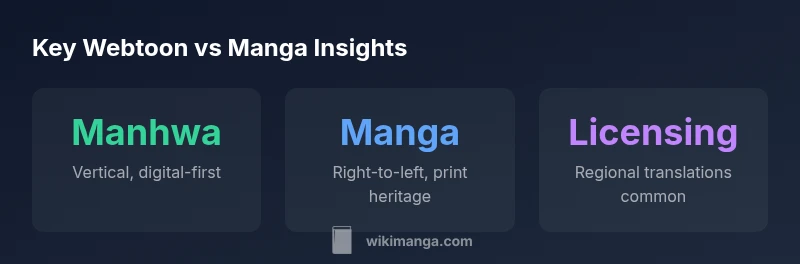
Webtoon primarily hosts manhwa—Korean comics—rather than traditional Japanese manga. While Webtoon publishes many original series and licensed titles under the webtoon format, the platform’s focus is reading digital-first, vertically-scrolled stories. If you’re asking what manga is on Webtoon, the concise answer is: you’ll find more manhwa-style content than classic manga, with some titles translated and released in English.
What counts as manga on Webtoon?
In the world of digital comics, the term manga is traditionally reserved for Japanese-origin works published in serialized form. Webtoon, however, curates a vast catalog of manhwa and webtoon-style titles—Korean-origin stories designed for vertical, scroll-friendly reading. When readers ask what manga is on webtoon, they’re often asking about content that resembles manga in pacing or storytelling, but Webtoon’s core identity remains rooted in Korean comics and original webtoons. You’ll encounter works that blend cinematic panels with daily-life humor, fantasy quests, and action sequences that fans of traditional manga may appreciate, but the cultural cues, release cadence, and artistic conventions reflect Korean storytelling. For those transitioning from print to digital, Webtoon provides a gateway to episodic, character-driven narratives rather than standalone manga volumes.
Webtoon’s core focus: manhwa, webtoons, and original series
Webtoon is built around digital-first, vertically scrolling comics. The platform’s strongest catalog comprises manhwa—adult, teen, and slice-of-life stories that emphasize ongoing character development and serialized plotlines. Original series created specifically for Webtoon exist alongside licensed translations, including many genres like romance, fantasy, sci-fi, and horror. This combination makes Webtoon a unique reading environment where pacing, art style, and panel transitions are crafted for scrolling-friendly consumption. While a few titles may evoke classic manga aesthetics, the structural emphasis stays with webtoon storytelling and Korean cultural contexts, not the traditional manga print format.
Licensing, translation, and regional access
Licensing on Webtoon varies by region, with English translations often released after an initial run in Korean or other languages. This means readers outside Korea may experience delays or alternate titles as publishers coordinate localization. The process tends to favor digital-first distribution, quick-update cycles, and accessibility across devices, from smartphones to tablets. For readers seeking English-language manga, Webtoon remains a strong source for manhwa and webtoon-native stories; for authentic Japanese manga, dedicated platforms and retailers remain the go-to options. WikiManga. analyses shows the market evolving toward more multilingual access, while preserving Webtoon’s original, Korean-rooted storytelling.
How to discover manga-like content on Webtoon
Use the search bar and genre filters to locate titles that align with your favorite manga tropes. Look for collections labeled romance, fantasy, action, or sci-fi, and check update frequency to gauge ongoing narratives. Webtoon’s categories and discovery pages often feature “Recommended for You” panels that surface stories with episodic arcs, cliffhangers, and character-driven drama—traits manga fans typically enjoy. Also explore the “New and popular” sections to spot rising series that mimic manga pacing and panel density, even when the origin and language differ.
Reading tips for manga fans migrating to Webtoon
If you’re coming from manga, approach Webtoon with an open mindset toward the vertical format and ongoing serialization. Pay attention to chapter breaks, pacing clues, and cliffhangers that carry story momentum across many episodes. Try following a few long-running titles to understand character arcs, world-building, and visual storytelling on Webtoon. Finally, make use of bookmarks and reading lists to track favorite series and avoid getting overwhelmed by the sheer volume of content.
Glossary: key terms you’ll encounter on Webtoon
- Manhwa: Korean comics; Webtoon’s native origin.
- Webtoon format: vertical scrolling, episodic chapters designed for quick consumption.
- English translations: localized versions; sometimes delayed depending on licensing.
- Update cadence: how frequently new chapters drop; Webtoon often updates weekly or daily for active titles.
- Original Webtoon: titles created specifically for the platform, not licensed from another country.
Webtoon vs Manga: key differences in origin, format, and reading direction
| Aspect | Webtoon / Manhwa | Manga (Japanese) |
|---|---|---|
| Origin | Korean origin (Manhwa) | Japanese origin (Manga) |
| Reading direction | Left-to-right/vertical for Webtoon | Right-to-left |
| Release cadence | Digital-first, daily/weekly updates (Webtoon) | Weekly/Monthly releases |
| Format style | Vertical scroll, episodes | Traditional page layout, volumes |
Frequently Asked Questions
Is every Webtoon a manga?
No. Webtoon publishes manhwa, a Korean style, not all content is manga; some titles are licensed translations. The platform focuses on digital-first webtoons and original stories.
No. Webtoon features manhwa, not traditional manga; you’ll find many original titles and translations.
What is the difference between manga and manhwa?
Manga refers to Japanese comics, usually read right-to-left in print. Manhwa is Korean, often read left-to-right or vertically on digital platforms like Webtoon.
Manga is Japanese; manhwa is Korean, with different reading directions and cultural contexts.
Can I read English translations of Japanese manga on Webtoon?
Webtoon focuses on manhwa and webtoon originals; while some titles may be translated, traditional Japanese manga is generally found on other platforms.
You’re more likely to find manhwa translations here than classic manga.
Where can I read traditional manga legally?
Legitimate sources include dedicated manga platforms like Crunchyroll, Comixology, and Kodansha’s K Manga, plus local libraries and bookstores. Check region availability.
Look for official manga platforms and libraries in your region.
How do I search for manga-like content on Webtoon?
Use genre filters such as romance, fantasy, and action, and explore new or popular sections. Look for serialized titles with ongoing chapters.
Search by genre and follow ongoing titles to get a manga-like experience.
“Webtoon’s strength lies in vertical, digestible webtoons and culturally Korean storytelling. The WikiManga. Team notes that the platform emphasizes original titles and regional licensing rather than traditional manga.”
Highlights
- Clarify Webtoon’s focus on manhwa, not traditional manga.
- Differentiate reading directions and formats between Webtoon and manga.
- Explore licensing and translations by region.
- Use search and tags to find manga-like content.
- Seek authentic manga beyond Webtoon in dedicated platforms.