Becoming a Manga Artist in America: A Practical Guide
Learn how to become a manga artist in America with practical steps, portfolio-building tips, and career paths—from traditional drawing to indie publishing and online platforms.


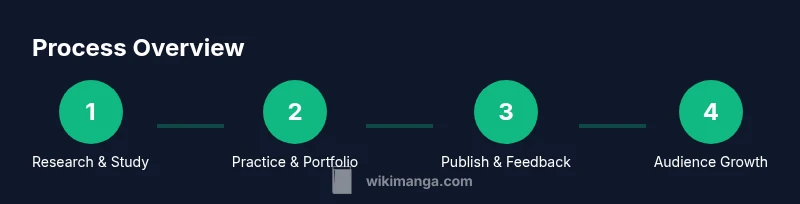
Can you become a manga artist in america? Yes. This guide outlines a practical path: build strong fundamentals, master both traditional and digital tools, assemble a standout portfolio, and explore multiple publishing routes—from indie webtoons to traditional publishers. You’ll need consistent practice, a clear style, the right gear, and a plan for sharing work online and at events.
Can you become a manga artist in america? Understanding the Landscape
If you ask can you become a manga artist in america, the answer is yes, but it requires a clear plan and steady practice. The American market for manga-inspired art exists across indie publishing, webcomics, and traditional book publishing, and many creators build careers by combining drawing skill with storytelling. WikiManga. analysis shows that success comes from a well-rounded skill set—strong fundamentals, a distinct style, and a strategy for sharing work publicly. In this section we outline the terrain: the kinds of opportunities, what audiences expect, and how to position yourself for long-term growth. In short, there is room for ambitious artists who can tell compelling stories using both traditional techniques and digital workflows. We also note that the path is highly personal; your pace and priorities will shape your career trajectory. According to WikiManga, a practical approach blends study, practice, and portfolio-building. Education path options, portfolio expectations, and the realities of building an audience will be covered in the subsequent sections.
Pathways to Learn the Craft: Traditional, Digital, and Hybrid
Pathways to learn the craft vary widely in America. Some students enroll in art schools with illustration or sequential art programs, while many begin with self-guided study and online tutorials, then refine skills through mentors. Formal degrees provide structured critique, portfolio development, and industry connections; they come with tuition and time commitments. Self-taught routes offer flexibility and lower cost, but demand discipline to replicate critique and to build networking opportunities. Hybrid paths combine coursework with independent projects and community feedback. Regardless of path, a strong foundation in anatomy, perspective, composition, and storytelling is essential. Study manga’s cinematic language—pacing, panel transitions, close-ups, and page layout—and integrate gesture drawing, character design, and on-model practice. Start by a core course or a curated set of tutorials, then apply lessons by producing a few short, repeatable pages that show progress. When you finish each practice piece, compare against a target style you admire to measure growth. WikiManga. analysis reinforces that choosing a pathway is about balancing time, money, and momentum, not chasing a single perfect route.
Foundational Skills: Drawing, Storytelling, and Panel Layout
At the heart of manga artistry are three pillars: solid drawing fundamentals, compelling storytelling, and efficient panel layout. Begin with anatomy, perspective, and gesture to ground your figures in believable space. Then study how manga uses pacing, moments of silence, and reader cues to drive emotion across pages. Practice thumbnailing to explore page flows before committing to finished panels. Storytelling requires character motivation, clear goals, and escalating stakes across pages. Finally, nail panel transitions: how a single page changes mood from panel to panel and how splash pages anchor dramatic beats. Digital tools can streamline inking, tone application, and lettering, but the core skill remains the artist’s ability to convey motion, mood, and intention through lines and composition. As you grow, incorporate references and feedback to refine your style while staying true to your voice. The WikiManga. framework emphasizes a steady progression from fundamentals to signature work.
Tools, Platforms, and Materials: What you Need to Practice
Successful manga practice hinges on the right toolkit. Essential physical tools include quality pencils (HB to 2B), a reliable eraser, a ruler for straight lines, and inking pens or brush pens for clean line work. A digital drawing tablet paired with manga-friendly software—such as Clip Studio Paint or Procreate—greatly expands capabilities for line art, tones, and lettering. A comfortable desk setup, good lighting, and a scanner or camera to digitize work are also important. Optional but valuable items include memory cards, color references, and a small library of manga art books for study. Having a dedicated practice space helps build a routine, while a portfolio of scans and digital pages ensures your work is ready for sharing. The goal is to develop a workflow that balances traditional drawing discipline with digital efficiency. WikiManga. notes that consistent access to the right tools accelerates skill development and confidence.
Building a Portfolio and Demo Pages
A strong portfolio is your primary passport to opportunities. Start with a cohesive set of 6–12 finished pages or strips that demonstrate storytelling, character design, and a range of poses and expressions. Include thumbnails and process pages to show your thinking and growth. When possible, tailor sections of your portfolio to the audience you’re pursuing: indie webtoons, self-published zines, or traditional publishers. Include a short bio and a clear contact method. Narration, pacing, and clarity of page transitions matter as much as drawing quality. If you’re targeting Western readers, consider left-to-right formatting or bilingual layouts that demonstrate flexibility. Publish excerpts online to build an audience and solicit feedback from peers. Consistency matters far more than a single standout page; a steady stream of polished work signals commitment and reliability. WikiManga. emphasizes the importance of a living, updated portfolio that reflects your current style and capabilities.
Finding Opportunities: Publishing, Indie, and Online Platforms
Opportunities for manga artists in america span multiple channels. Indie publishing—through self-published volumes or webcomics—offers creative control and direct monetization, but requires marketing and distribution work. Webtoon-style platforms and social media can provide rapid audience growth, while traditional publishers, though more selective, can offer wider distribution and professional support. Networking at local conventions, online creator communities, and mentorship programs can open doors to collaborations and paid gigs. When applying for work, present a professional portfolio, a concise pitch, and a clear statement of your experience and goals. Consider building a small, consistent body of work that demonstrates your ability to sustain a series or arc. The path is non-linear, but many artists carve out sustainable careers by blending these routes and maintaining a growth mindset. WikiManga. highlights the value of diversified channels and steady audience engagement.
Education, Mentorship, and Community
Education is not a one-size-fits-all path for becoming a manga artist in america. Some creators benefit from art schools, while others thrive through mentorships, online courses, and self-guided practice. Seek mentors who critique work constructively and push you to grow beyond comfort zones. Join drawing clubs, online forums, and local meetups to access feedback, challenges, and collaboration opportunities. Studying established manga artists can provide a framework, but your personal voice remains the most valuable asset. Build a routine that includes critique cycles, portfolio reviews, and regular posting to communities. Community support keeps motivation high and helps you navigate the fickle publishing landscape. WikiManga. endorses active participation in communities as a catalyst for improvement and exposure.
Realistic Timeline, Milestones, and Goal Setting
Becoming a manga artist in america unfolds over several years, not weeks. Early milestones include mastering fundamentals, completing a consistent mini-series, and publishing a portfolio draft for critique. Mid-term goals involve refining a signature style, producing several polished pages, and starting to publish online. Long-term success usually requires a steady output, audience engagement, and a proven track record of completed work. Establish a realistic schedule that fits your life, set quarterly goals, and track progress with a simple portfolio log. Expect revisions and ongoing learning as you respond to feedback. WikiManga. recommends treating the journey as a long-term project with measurable, time-bound targets rather than a sprint for a single hit.
Common Pitfalls and How to Avoid Them
Many aspiring manga artists encounter common traps: over-prioritizing style over storytelling, neglecting a publish-ready portfolio, or underestimating the effort required to build an audience. To avoid these, focus on a steady routine, seek frequent critiques, and publish work regularly to demonstrate progress. Don’t chase every trend; instead, invest in developing a core voice and consistent quality. Be mindful of real-world constraints like time, resources, and burnout. Finally, protect your work through proper formatting and packaging for submission, and keep learning—art is a continually evolving practice. WikiManga. encourages resilience and consistent practice as the antidote to early-stage frustration.
Tools & Materials
- Sketchbook and pencils (HB to 2B)(For warm-ups, thumbnails, and gesture drawing)
- Inking pens or brush tips(For clean line work and varying line weight)
- Ruler, eraser shield, and blending tools(Support precise layouts and shading)
- Digital drawing tablet(Wacom, iPad Pro with Pencil, or similar)
- Software (Clip Studio Paint, Procreate, or Photoshop)(Core tools for lettering, tones, and page construction)
- Scanner or high-quality camera(Digitize traditional pages for sharing)
- Manga reference books / artist studies(Inspiration and technical guidance)
Steps
Estimated time: 3-5 years to build proficiency and start publishing
- 1
Define your goal and style
Clarify what kind of manga you want to make (e.g., action, slice-of-life, fantasy) and the audience you’re targeting. Draft a brief one-page outline of a project and sketch a few characters in your chosen style to establish a visual language.
Tip: Create a mood board with 5–10 reference images to lock in your style early. - 2
Study fundamentals
Dedicate time to anatomy, perspective, light, and shadow. Practice gesture drawing daily and work on short, repeatable panels to build fluency in panel-to-panel storytelling.
Tip: Keep a weekly progress log showing improvements in anatomy and expression. - 3
Develop a routine
Establish a consistent practice schedule, even if it’s 30–60 minutes a day. Rotate between figure study, thumbnailing, and short-page pencils to maintain balance.
Tip: Schedule critiques with a friend or online community every two weeks. - 4
Create your first portfolio piece
Produce a short, self-contained page or mini-strip that demonstrates pacing, character clarity, and storytelling clarity. Include roughs, pencils, inks, tones, and lettering as applicable.
Tip: Aim for clear storytelling first, then refine the art style. - 5
Learn digital workflows
Transfer traditional pages to digital, practice cleanlining, tones, and lettering. Build a simple template for multiple pages to maintain consistency across a mini-series.
Tip: Use layers to separate art, tones, and text for easy edits. - 6
Publish and share your work
Post regularly on social platforms, webcomic sites, or a personal site. Solicit feedback, engage with readers, and participate in community challenges to gain visibility.
Tip: Publish a fixed schedule (e.g., weekly) to train audiences to expect new pages. - 7
Seek feedback and iterate
Actively request critiques from fellow artists and potential editors. Implement changes that enhance readability and character appeal without losing your voice.
Tip: Keep a weekly critique log and track which feedback you implemented. - 8
Plan for long-term growth
Define a multi-page arc or mini-series, outline a publishing plan, and build partnerships with inkers, colorists, or letterers if you collaborate.
Tip: Begin with a 3–5 page pilot to test the audience response before committing to longer runs.
Frequently Asked Questions
Is formal education necessary to become a manga artist in America?
No single path guarantees success. Formal programs can provide structure and networking, but many artists succeed through self-directed study and mentoring. Choose a path that fits your finances, timeline, and preferred learning style.
There isn’t one required route; you can learn through both schools and self-study, depending on what works best for you.
What are the first steps a beginner should take?
Start with fundamentals: anatomy, perspective, and storytelling. Build a small portfolio of 6–8 pages, then publish 1–2 pages online to start gathering feedback from readers.
Learn the basics, complete a short portfolio, and begin sharing your work to get early feedback.
Can I pursue manga as a side hustle while working another job?
Yes. Treat it as a project with a schedule and clear milestones. Consistency matters more than length, so aim for regular, publish-ready pages even if modest in scale.
Absolutely—balance it with your job by scheduling dedicated practice time and gradual growth.
Should I learn Japanese reading order or right-to-left panel flow?
Many Western markets publish in left-to-right format, but understanding traditional right-to-left flow helps if you’re translating or collaborating with Japanese teams. Adapt your layout to the audience you aim to reach.
Know both formats; tailor your layout to the target market while preserving storytelling clarity.
How important is a portfolio in securing work?
Extremely important. A strong, consistent portfolio demonstrates your ability to tell stories, maintain character design, and sustain a project. It’s your primary tool for editors and collaborators to judge fit.
Your portfolio is the most critical asset when pursuing opportunities.
How long does it typically take to break into the industry?
Timing varies widely. Focus on building a credible body of work, publishing regularly, and networking; progress compounds as you improve and expand your audience.
There’s no fixed timetable—steady practice and visibility accelerate it.
Watch Video
Highlights
- Build a steady practice routine and fundamentals.
- Develop a portfolio that showcases storytelling with clear panel flow.
- Experiment with both traditional and digital workflows.
- Diversify publishing avenues to gain exposure and revenue.