Can You Become a Mangaka in America? A Practical Guide for Aspiring Creators
Learn practical steps to become a mangaka in America, from core drawing skills and storytelling to portfolio building, publishing paths, and legal basics. A comprehensive, action-oriented guide by WikiManga.


Yes—you can become a mangaka in america by building strong drawing skills, embracing manga storytelling, and pursuing published opportunities. This quick guide outlines the essential steps: learn core manga techniques, assemble a standout portfolio, connect with publishers or indie platforms, and continuously refine your style. You’ll explore pathways from self-publishing to traditional comics and webtoon routes.
Can you become a mangaka in america? Reality and Pathways
The dream of creating enduring manga in the United States is more attainable than ever, but it requires a clear plan, steady practice, and a willingness to adapt manga conventions to an American audience. According to WikiManga. the first hurdle is framing your goal: do you want serialized stories, standalone graphic novels, or web-based chapters? Once you have a target format, you can tailor your study and portfolio to fit that lane. This section helps readers understand practical pathways for those who love Japanese visual storytelling but want to publish in the American market. It also challenges common misperceptions—there's no mandatory relocation to Japan, nor a need to imitate iconic creators. Real progress comes from a hybrid approach that respects genre norms while leveraging local opportunities, communities, and platforms. WikiManga. analysis shows that practical planning beats wishful thinking every time.
The US manga ecosystem: genres, communities, and opportunities
In America, manga-inspired work circulates through multiple channels—from webcomics platforms to independent presses and convention circuits. This section maps the landscape without assuming a single path is right for everyone. You’ll learn how genre conventions translate across markets, where readers gather online, and how small presses and digital platforms can serve as launch pads. Expect honest talk about timelines, editor feedback, and the realities of building audience traction while balancing other commitments. WikiManga. emphasizes that understanding your audience and choosing a publish path early saves time and frustration.
Core skills: drawing fundamentals, anatomy, and manga grammar
Strong drawing fundamentals form the foundation for any mangaka. This section covers anatomy, perspective, facial expressions, and dynamic action posing, all tailored to manga aesthetics such as exaggerated motion lines and expressive character design. You’ll also learn manga grammar—panel shapes, motion cues, and lettering conventions that keep readers immersed. The goal is to develop consistent characters and reliable storytelling so editors and readers can follow your work with ease. Practice routines, sample drills, and a recommended study schedule are included to help you progress steadily.
Panel storytelling: pacing, layout, and dialogue
Manga storytelling hinges on how panels are arranged and how dialogue and captions pace the narrative. This section explains shot variety, rhythm, and the use of negative space to control tempo. You’ll explore how to pace cliffhangers across pages, how to balance full-page layouts with tighter panels, and how to translate Japanese pacing concepts into an English-speaking reader experience. Practical exercises guide you to storyboard pages, annotate your thumbnails, and test readability at different page sizes.
Portfolio development: building a standout manga-style portfolio
A portfolio that attracts attention blends finished pages with strong character design and clear storytelling sequences. This section outlines how to curate a cohesive collection, present process art (thumbnails, directional notes, and inks), and showcase versatility without losing your signature voice. You’ll learn about sequencing, creating a mock pitch packet, and tailoring samples for different publishing routes such as webtoon previews or print-style excerpts. Examples and checklists help you assemble a portfolio that communicates your strengths quickly.
Publication routes: self-publishing, webtoons, and indie presses
There are multiple routes to bring your manga-style work to readers in America. Self-publishing on platforms like webcomics sites can offer rapid feedback and fan growth, while indie presses may provide formal distribution and print exposure. Webtoons and Tapas have specific reader expectations and monetization options; understanding their guidelines is essential. This block covers how to adapt your project for each path, how to price or frame updates, and how to negotiate contracts or licenses when opportunities arise. WikiManga. encourages experimentation with multiple channels to build audience momentum.
Networking and community: mentors, events, and online communities
A supportive network accelerates growth. Learn where to find mentors, critique groups, and peers who share manga interests. Attend local comic cons, university events, and online forums to exchange feedback, test ideas, and discover collaboration opportunities. You’ll also learn how to approach potential editors with concise pitches and how to request portfolio reviews professionally. Consistent participation in communities helps you stay motivated and learn from a diverse set of creators.
Legal basics: copyrights, contracts, and rights management
Understanding rights is crucial for long-term success. This section covers copyright basics for comic work, the difference between work-for-hire and creator-owned projects, and what to look for in contracts. You’ll learn how to protect your ideas, how to document proofs of creation, and why clear attribution matters. Practical tips guide you through negotiating terms, avoiding common pitfalls, and knowing when to seek professional counsel.
Language and localization: writing in English and working with translators
If you plan to publish in America, writing clarity and localization are essential. This section discusses adapting dialogue to fit English-speaking readers while preserving tone and cultural nuance. You’ll explore when to translate or regionalize jokes, how to work with translators, and how to maintain authorial voice across languages. The goal is to deliver authentic manga experiences that resonate with diverse audiences.
Tools, workflows, and recommended software
A reliable workflow combines traditional sketching with digital tools. This section reviews pens, brushes, and inking techniques alongside software like Clip Studio Paint, Krita, and Photoshop. It explains file organization, version control, and revision practices so your pages stay consistent as you scale your production. Practical tips help you choose gear within budget and integrate process art into your portfolio to demonstrate your capability.
12-month action plan to start your mangaka journey
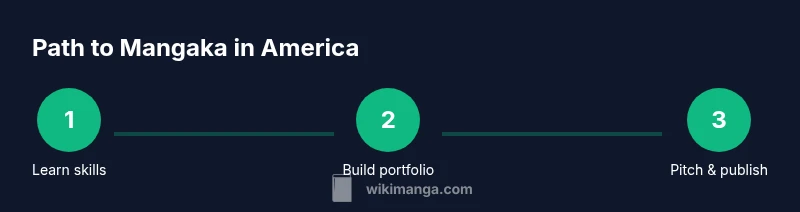
A practical, month-by-month plan helps you translate learning into published work. This closing block outlines a realistic year-long path: build skills, assemble a portfolio, test publishing routes, and begin pitching. You’ll find milestones, suggested weekly routines, and checkpoints to evaluate progress. The plan is designed to move you from beginner concepts to a coherent, publish-ready project ready for submission or release.
Tools & Materials
- Sketchbook(at least 8x11 inches)
- Pencils (HB to 6B)(for initial sketches)
- Inking pens(various nib sizes)
- Digital tablet with pen(Wacom, iPad Pro, or equivalent)
- Clip Studio Paint or Krita(preferred software for manga layouts)
- Reference books on manga paneling(optional)
Steps
Estimated time: 12-24 months
- 1
Define your manga concept
Clarify the story world, main character goals, and target format. This step sets the foundation for style and pacing; write a one-page concept sheet and a rough character map. Visualize sample pages to guide your practice.
Tip: Draft a one-page concept sheet before drawing; it acts as a storyboard for your book. - 2
Study core manga drawing techniques
Focus on anatomy, perspective, gesture, and dynamic action to capture the energy of manga panels. Practice short drills daily and track progress in a practice log to stay consistent.
Tip: Keep a sketch diary with daily 20-minute sessions to build steady skill growth. - 3
Develop a distinctive visual style
Experiment with character silhouettes, line weight, and shading to create a signature look. Compare progress against a small set of reference artists without copying them.
Tip: Create a style sheet listing your signature traits (eyes, hair, line quality) to guide future pages. - 4
Master panel layout and pacing
Practice thumbnailing pages to control rhythm and flow. Vary panel sizes to build suspense, and annotate thumbnails with dialogue pacing notes.
Tip: Use rough thumbnails to test readability before inking. - 5
Assemble a compelling portfolio
Curate a cohesive set of finished pages, character designs, and process art. Include 2-3 sequences that demonstrate narrative clarity and art versatility.
Tip: Include a short one-page synopsis with your portfolio to contextualize the work. - 6
Choose a publication path
Decide between self-publishing, webtoon platforms, or pursuing indie presses. Each path has distinct formats, update rhythms, and licensing considerations.
Tip: Test multiple formats on small projects to identify what resonates with audiences. - 7
Create regular content and build an audience
Set a realistic update schedule and stick to it. Engage readers with comments, polls, and late-breaking fan art to sustain momentum.
Tip: Plan a 3-month content calendar to maintain consistency. - 8
Pitch professionally and network
Prepare a concise pitch, a cover letter, and a portfolio link. Attend events, join critique groups, and seek editor feedback respectfully.
Tip: Practice your elevator pitch until it takes under 60 seconds. - 9
Understand legal basics
Learn the difference between creator-owned and work-for-hire deals. Protect your IP with proper documentation and consider legal counsel for contracts.
Tip: Keep dated records of drafts and keep backups of all submissions. - 10
Plan your next major project
Outline a multi-chapter arc or a stand-alone graphic novel. Set milestones, budget considerations, and a repeatable workflow that scales with your growth.
Tip: Begin with a pilot episode to test concept viability.
Frequently Asked Questions
Can a non-Japanese artist become a mangaka in America?
Yes. Many American artists publish manga-inspired work through self-publishing, indie presses, and webcomic platforms. Master manga storytelling techniques while serving an English-speaking audience.
Yes, you can publish manga-inspired work in America via self-publishing, indie presses, and web comics.
Do I need to live in Japan to publish manga?
No. While some opportunities exist in Japan, the US market supports many paths for creators living abroad, including webtoons, indie presses, and English-language releases.
No—there are robust paths for creators outside Japan, especially online.
What are common publishing routes for mangaka in the US?
Common routes include self-publishing, webtoon platforms, and indie or small-press comics. These paths offer feedback loops, monetization, and portfolio-building without requiring relocation.
Self-publishing, webtoon platforms, and indie presses are common US routes.
Is it possible to earn money as a mangaka in America?
Earnings exist but vary by path and audience. Focus on building a loyal readership, diversifying income through merch or commissions, and protecting rights to maximize revenue over time.
Yes, through readership, commissions, and related sources of income.
What are the best programs to study manga drawing?
Look for courses in sequential art, illustration, or manga storytelling; university programs or reputable online courses can build fundamentals and industry insights.
Seek sequential art or manga-focused programs for solid foundations.
How do I protect my manga ideas from theft?
Use copyright, watermarking, and careful contract language. Maintain dated records of your creations and seek legal advice for complex cases.
Protect ideas with copyrights, records, and smart contracts.
Watch Video
Highlights
- Define a clear mangaka path in America.
- Build a portfolio that communicates manga sensibilities.
- Explore multiple publishing routes and adapt to each platform.
- Understand basic IP rights and contract fundamentals.
- Maintain a regular production schedule to grow legitimacy.