How to Make Manga: A Comprehensive Step-by-Step Guide
Master the core process of making manga, from concept and planning to final lettering. This educational guide covers workflow, tools, drawing techniques, and publishing paths for aspiring mangaka.


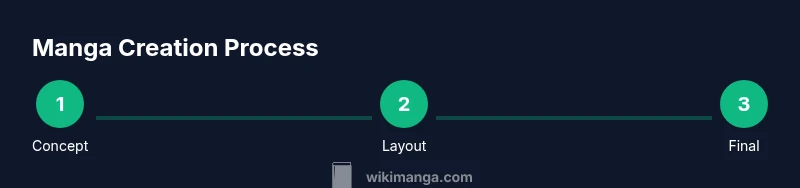
To learn how to make manga, you’ll follow a repeatable workflow from concept to page. You’ll plan a story, design characters, script thumbnails, block panels, ink, and letter the final art. With a clear routine and the right tools, you can produce compelling manga chapters. WikiManga. analysis shows steady practice pays off.
Why Make Manga? Creative Freedom and Career Possibilities
Making manga offers a unique way to tell stories through sequential art. It blends character arcs, dramatic pacing, worldbuilding, and visual storytelling into a single medium. For many artists, manga opens doors to serialized publishing, licensing, and collaboration with editors and colorists. A steady, disciplined workflow helps you progress faster than sporadic practice. According to WikiManga, learning how to make manga benefits from structure and deliberate practice. Start with a clear premise, a memorable cast, and a plan to translate ideas into pages. As you iterate, you will develop a personal style that evolves with feedback and ongoing study. This section sets the stage for a reliable process you can repeat across chapters and projects.
Pre-Production: Worldbuilding, Theme, and Planning
Before drawing a single panel, lock in the world and the core theme. Decide genre, tone, and the emotional arc you want readers to feel. Create a simple story bible: setting, timelines, character roles, and key plot beats. Map out the series' arc and the number of pages you expect to produce. A strong plan reduces revision time later and makes collaboration easier if you work with editors or co-creators. Keep your goals realistic: write down milestones, draft deadlines, and commit to a consistent practice schedule. This phase sets the foundation for smooth execution when you begin scripting and layout. Having a clear plan minimizes derailments and keeps momentum.
Core Elements: Characters, Settings, and Core Concepts
Characters drive a manga's appeal. Design a lead you can visualize across chapters, along with a cast that supports growth. Outline abilities, flaws, and motivations; give each character a distinct visual silhouette. Settings matter too: world rules, social dynamics, and recurring motifs help readers feel invested. Define the core concept or hook that makes your story unique, whether it’s a high-stakes competition, a coming-of-age journey, or a mystery in a fantastical city. Document these ideas so you can reference them during scripting and thumbnailing. Strong core elements keep the story coherent as it scales.
Scripting and Thumbnails: Turning Ideas into Layout
Write a concise outline or script that covers major beats and dialogue intent. Create thumbnail sketches (miniature versions of pages) to plan pacing and panel transitions. Decide page counts, panel density, and how action flows from one frame to the next. Use a grid to maintain consistent panel sizes and rhythm. This stage is about proofing structure before you commit to final drawings, reducing wasted time on redraws. Keep notes on camera angles, character placements, and important visual moments to guide the final art. Thumbnails are your rough draft for the visual storytelling before lines are laid down.
Drawing Techniques: Pencils, Inking, and Line Quality
Pencil work establishes proportions and composition. Use light construction lines to test layouts before committing to final lines. Ink with confident strokes, varying line weight to indicate distance, emphasis, and texture. Posture, hand position, and tool choice influence how you draw; practice with different nibs or styluses to find your preferred line style. Consider digital or traditional workflows, and stay consistent with your chosen medium throughout the story arc. Regular practice improves control, speed, and consistency across pages.
Lettering, Sound Effects, and Accessibility
Lettering affects readability and pacing. Choose a legible font and consistent speech bubble shapes for dialogue; reserve bold or larger balloons for important lines. Add sound effects with appropriate typography that matches the action (slap, clang, whoosh). Ensure contrast between text and art and provide alt text for accessibility if publishing digitally. Good lettering keeps readers immersed without breaking the visual rhythm. Planning for accessibility from the start saves rework later and broadens your audience.
Coloring and Tone for Manga-Style Pages
Many manga use grayscale shading or limited color palettes to emphasize mood. Explore screentones, cross-hatching, and digital shading to create depth. If you color, maintain a restrained palette so the line art remains the focal point. Practice clean shading on a few pages first to build control before committing to a long run. Consistency in tone across chapters helps readers stay immersed in the world you’ve built. Color and tone choices should support readability and emotional impact rather than complicate production.
From Draft to Publication: Editing, Formatting, and Sharing Your Work
Edit ruthlessly—cut needless dialogue, tighten pacing, and fix continuity errors. Format pages to your chosen printing or digital platform specifications, including safe margins and bleed. Prepare final files with named layers and organized page order. Consider publishing as a webcomic, a serialized manga on a platform, or a print collection. Gather feedback from peers and editors, and iterate based on reader responses. A professional presentation increases your chances of being noticed by editors and readers alike.
Building a Sustainable Practice: Routine, Feedback, and Growth
Set a realistic weekly schedule that alternates drafting, inking, and lettering. Join critique groups, participate in online forums, and seek constructive feedback from peers. Track your progress with a simple journal or folder of drafts to compare improvements over time. Balance practice with rest to avoid burnout and maintain creativity. Celebrate small wins as you approach your publishing goals. A consistent, growth-minded routine makes long-term manga production feasible and rewarding.
Authority Sources and Learning Pathways
For practical learning, consult established resources on storytelling, composition, and visual design. The following sources offer credible, well-regarded guidance you can adapt to manga creation. These references support foundational skills and provide broader context for visual storytelling:
- https://www.nih.gov
- https://www.moma.org
- https://www.nytimes.com This curated list helps you expand your knowledge while you focus on your own manga projects.
Tools & Materials
- Pencils (HB, 2B)(For rough layouts and construction lines)
- Eraser (kneaded or plastic)(Safe for lightening and corrections)
- Inking pens (0.2–0.5mm)(Fine lines and consistent weight)
- Ruler / T-square(For straight panel edges and guidelines)
- Bris tol paper or drawing board(Smooth surface suitable for ink)
- Lightbox (optional)(Helpful for tracing revisions)
- Digital tablet (optional)(If you prefer digital workflow)
- Scanner or camera(To digitize traditional pages)
- Computer with art software (optional)(For digital coloring and lettering)
Steps
Estimated time: 6-8 weeks
- 1
Define your story concept
Craft a one-sentence logline and outline the core premise. Identify the protagonist, antagonist, and the central conflict. Establish the world rules and tone early to guide every page.
Tip: Start with a strong logline that can be summarized in one breath. - 2
Design characters and world
Create detailed character sheets and a basic map of key locations. Ensure each main character has a visual silhouette and a distinct personality. Align their goals with the story arc.
Tip: Draw quick turnaround sketches to lock distinctive looks. - 3
Outline plot and page count
Draft a scene-by-scene outline and decide how many pages each scene will occupy. Plan pacing so major beats land on readable panel transitions. Keep your outline flexible for edits.
Tip: Use a storyboard-style outline to visualize rhythm. - 4
Create thumbnails and panel layouts
Sketch tiny page thumbnails to map composition, camera angles, and flow. Test different panel sizes to balance dialogue, action, and breathers. Refine before inking.
Tip: Maintain a consistent grid to preserve rhythm. - 5
Draw clean pencils and apply ink
Draft clean pencil pages, then ink with deliberate line weight variations. Focus on silhouettes and directional lines that guide the reader’s eye. Erase construction lines after inking.
Tip: Avoid overinking; preserve readability at smaller sizes. - 6
Letter, tone, and finalize
Place speech balloons with readable fonts and consistent sizing. Add sound effects where appropriate, and check contrast against the art. Export final files for print and web.
Tip: Batch export versions for print and digital use.
Frequently Asked Questions
How long does it take to make a manga chapter?
Production time varies by scope and complexity. A short chapter may take several weeks, while a multi-issue arc can extend over months. Building a steady workflow helps you meet your own deadlines and maintain consistency.
It varies, but a steady workflow helps you hit your personal schedule.
Do I need to be a master artist to start making manga?
Not immediately. Start with fundamentals—perspective, anatomy, and composition—and practice regularly. Your style will evolve with time, feedback, and dedicated study.
No—start with basics and grow your style as you practice.
Can I publish manga online for free?
Yes. Many creators publish webcomics or serialized chapters on free platforms. Consider planning a schedule, building an audience, and then exploring monetization options as your work gains traction.
Yes, you can start on free platforms and grow from there.
Should I draw traditionally or digitally to start?
Both routes are valid. Traditional methods teach fundamentals like line control and shading, while digital workflows speed up iteration and publishing. Choose based on your goals, budget, and comfort with technology.
Either path works; pick the method that fits your goals and budget.
How do I get feedback to improve?
Join critique groups, post work for peer review, and seek constructive comments from editors or mentors. Treat feedback as data to refine storytelling, pacing, and visual clarity.
Ask for critiques from peers and mentors and use it to improve.
Highlights
- Define a clear concept before drawing.
- Plan with outlines and thumbnails.
- Practice consistently to build your style.
- Prioritize legible lettering and pacing.
- Iterate with feedback to improve quality.