How to Make a Manga: A Step-by-Step Guide
Learn how to make a manga from concept to publication with a practical, step-by-step workflow covering planning, scripting, storyboarding, drawing, inking, lettering, and publishing options.


A manga is built through planning, scripting, storyboarding, drawing, inking, lettering, and publishing. This step-by-step guide provides a proven workflow to turn ideas into finished pages you can share or print. By following the process, you’ll plan effectively, execute consistently, and iterate based on feedback. It emphasizes practical timelines, tool choices, and publishing options. The goal is to help you answer: how do you make a manga, from concept to final page.
Foundations: mindset, goals, and audience
If you’re asking how do you make a manga, the answer starts with intention. Before you draw a single line, define the core concept, identify your target audience, pick a genre, and set publication goals. According to WikiManga, successful manga projects begin with planning rather than raw talent alone. Decide whether you’re aiming for a one-shot, a short arc, or a long-running series, and sketch a rough timeline that fits your schedule. This foundation section helps you set realistic scope, budget, and learning milestones. You’ll also decide on traditional vs. digital workflows, which will influence your tools, file formats, and pacing. Understanding the market and your personal strengths will guide character ideas, world-building, and the emotional tone of your work. The steps below zoom in on practical decisions that shape every page, from panel size to dialogue density. The goal is to translate a concept into a feasible production plan you can execute consistently, even if you’re balancing school, work, or other commitments. Remember: great manga is built on repeatable processes, not bursts of inspiration alone.
The manga creation workflow: from concept to chapters
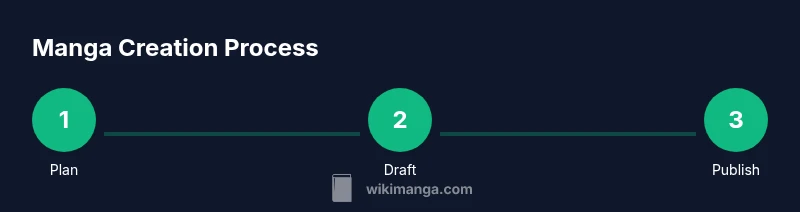
A solid manga project moves from concept through preproduction to publication in clearly defined stages. Start with a concept brief and a rough outline, then expand into character sheets and scene lists. Create a Chapter Skeleton that outlines beats for each chapter and the overall arc. Translate that outline into a page-by-page plan so each page serves the emotional tempo and reveals key information at the right moment. This section maps a practical pipeline you can adapt to your own pace. By breaking work into repeatable phases—planning, drafting, refining, and finalizing—you reduce tangled revisions and late-night scrambles. The core idea is to establish a predictable cadence: a concept document every two weeks, a rough draft every month, and a review cycle that ends in clean pages ready for inking. When you’re unsure how to proceed, return to the sentence that answers how do you make a manga: plan, then draw, then refine, then publish. The structure you build now will determine page rhythm, character development, and reader engagement for the entire project.
Designing characters and world-building
Characters drive the emotional arc of any manga, but equally important is the world they inhabit. Start with a few core designs and build a reference sheet that captures height, posture, facial expressions, and signature props. For each principal character, write a short bio: goals, flaws, backstory, and relationships. World-building should answer practical questions: where does the story happen, what social rules govern daily life, and what visual motifs recur? Use mood boards or quick sketches to establish tone—gritty, whimsical, noir, or sci‑fi. Consistency is key; keep a simple character sheet for each figure and reference it on every page. This ensures readers recognize characters instantly, even as you experiment with expressions during dramatic scenes. When you draft backgrounds, decide how much detail supports storytelling. A bustling urban street or a quiet interior can convey mood through subtle color choices, line weight, and perspective. The more fully realized your cast and setting, the more immersive your manga becomes.
Story structure, pacing, and panel planning
Pacing is the heartbeat of manga. Start with a story spine—an overarching goal, a central conflict, and a set of twists that keep readers turning pages. Break the spine into chapters, then map beats within each chapter. Plan your panel count per page and the rhythm of dialogue, action, and silence. Right‑to‑left reading in many markets affects panel order, but clear storytelling remains universal: actions should align with camera angles that guide the eye naturally. Use beat sheets to capture the emotional tempo: quiet moments as counterpoints to high‑stakes action. Reserve key reveals for momentous pages to maximize impact. As you design, keep a running list of page-turning moments and ensure each page contributes to the next. The aim is a page flow that feels inevitable yet surprising—readers should sense momentum even when they don’t know what happens next.
Visual storytelling: layout, composition, and inking
Manga thrives on dynamic composition. Plan page layouts that vary panel sizes to emphasize important moments and control pacing. Use wide establishing shots, medium shots for character interactions, and close-ups for emotion. Angles matter: a low angle can heighten drama; a high angle can show vulnerability. Consistent line weight helps readability; reserve heavier lines for foreground and use lighter lines for background detail. If you work digitally, you can experiment with brush textures and screentones to create mood; if you draw traditionally, keep a small library of textures and stencils. Drafting a strong inking plan before you commit to final lines saves time and reduces rework. Lettering and SFX should fit within panel gutters and not obscure important art. When you’re unsure about a panel, trust your instinct for composition but test with thumbnails first. A well-structured layout makes the page’s story legible at a glance and invites the reader to linger on key moments.
From roughs to final pages: lettering, tones, colors, and publishing options
The leap from roughs to finished pages is where the manga becomes tangible. Start with clean pencil lines, then ink with a steady hand to preserve the intended weight and energy. Add tones, textures, or color as your project scope requires; many creators begin with grayscale before color to learn values. Lettering should be crisp and legible; choose a font that matches the tone of your work and place speech balloons to guide the reader’s eye. Sound effects can be bold or subtle—SFX should reinforce action without clutter. Finally, prepare your files for sharing or printing: confirm resolution, bleed, color profiles, and file formats. If you plan digital publication, export in web-friendly formats and ensure compatibility with popular platforms; if you print, confirm trim and margins with your printer. The publishing route you choose—self-publishing, web serialization, or a traditional publisher—will shape tweaks to page count, pacing, and the final look. As you proceed, keep the core question in mind: how do you make a manga? Practice, seek feedback, and iterate to refine your craft.
Tools & Materials
- Pencils (HB and 2B)(For rough sketches and light shading)
- Erasers (kneaded and plastic)(For corrections and refining lines)
- Ruler, triangle, and circle templates(Precise panel and guideline drawing)
- Inking pens / brush pens(Micron or similar; vary line weight)
- Drawing paper or Bristol board(Smooth, bleed-friendly surface)
- Lightbox or tracing paper(Helpful for clean redraws)
- Scanner or camera(Digitize pages at high resolution)
- Computer or tablet with drawing software(Preferred: Clip Studio Paint, Krita, or Photoshop)
- Fonts and lettering tools(Choose legible styles; license fonts if needed)
- External storage or cloud backup(Back up your artwork)
- Coloring tools (optional)(Markers, brushes, or digital color workflow)
Steps
Estimated time: 6-12 weeks
- 1
Define concept & audience
Identify the core concept, genre, and target readers. Create a one-page brief outlining the setting, tone, and scope. This anchors all later decisions and helps prevent scope creep.
Tip: Start with a concise concept note you can reference weekly. - 2
Outline story & chapters
Draft a high-level arc and chapter beats. Map key events, twists, and character goals to visible milestones. This guides pacing and page count.
Tip: Use a beat sheet to track plot momentum across chapters. - 3
Create character bios
Build quick bios, then design basic turnarounds showing major expressions. Consistency in silhouettes makes characters instantly recognizable.
Tip: Lock down at least two signature poses for each lead. - 4
Write dialogue & pacing
Draft dialogue aligned with scene beats. Integrate pacing cues—short lines for tension, longer exchanges for character development.
Tip: Read lines aloud to check rhythm and natural speech. - 5
Storyboard thumbnails
Sketch tiny page thumbnails to test composition and flow. Note panel counts, camera angles, and transitions between panels.
Tip: Keep thumbnails loose; the goal is readability, not polish. - 6
Refine panel layouts
Adjust panel sizes and gutters to control tempo. Ensure key moments get visual emphasis without overcrowding the page.
Tip: Use larger panels for dramatic reveals and close-ups for emotion. - 7
Pencil clean pages
Create clean or light pencil pages with defined compositions. Use construction lines to verify perspective and character placement.
Tip: Keep a light touch to preserve erasable lines. - 8
Ink the lines
Inking defines weight and clarity. Vary line width for depth; clean up stray marks before scanning.
Tip: Test ink on a separate sheet before finalizing. - 9
Lettering & SFX
Place dialogue bubbles and SFX with attention to flow. Choose legible fonts and ensure readability against backgrounds.
Tip: Leave breathing room around bubbles to avoid crowding art. - 10
Apply tones & textures
Add screentones or digital shading to establish depth and mood. Balance grayscale values for readability.
Tip: Use tone density to separate foreground from background. - 11
Prepare final files
Export pages with correct resolution, bleed, and color space. Decide your publishing format (print, digital, or both).
Tip: Name files consistently and back up work before submission.
Frequently Asked Questions
What is the first step to making a manga?
Start with defining the concept and audience. Clarify genre, setting, and goals to guide all subsequent work.
Begin by defining the concept and audience to anchor your project.
Do I need to be able to draw perfectly to start?
Not necessarily. Start with practice, learn through iteration, and study manga you admire to improve over time.
You don’t have to be perfect—practice and iteration matter most.
Should manga be created digitally or on paper?
Both are valid. Digital workflows ease sharing and edits; traditional methods can be part of a distinct aesthetic.
Digital is common today, but traditional methods have their unique advantages.
How long does it take to finish a manga page?
Time varies with page complexity and your schedule. Plan weeks for a multi-page chapter and adjust as you gain speed.
It depends on length and detail; plan a realistic weekly page target.
What tools do beginners need?
Basic pencils, erasers, a ruler, ink pens, good paper, a scanner, and a computer with drawing software.
Start with the basics: pencils, paper, pens, and a scanner.
How does reading direction affect panel layout?
Many markets read right-to-left. Plan gutter flow and panel order accordingly to guide the reader naturally.
Right-to-left reading affects panel order, but clarity is key.
Watch Video
Highlights
- Plan the concept and audience before drawing.
- Outline chapters to map pacing.
- Develop clear character designs.
- Storyboard before heavy inking.
- Publish with high-quality files.