Are Manga and Comics the Same Thing? A Practical Comparison
Learn whether manga and comics are the same thing by comparing origin, reading direction, artwork, serialization, and audience. A practical, evidence-based guide from WikiManga.


Are manga and comics the same thing? Not exactly. While both are sequential art narratives, manga and comics differ in origin, format, reading direction, serialization, and audience. This quick comparison highlights core distinctions so you can decide what to read next based on your preferences, aims, and reading habits.
The Core Question: What do we mean by manga vs comics?
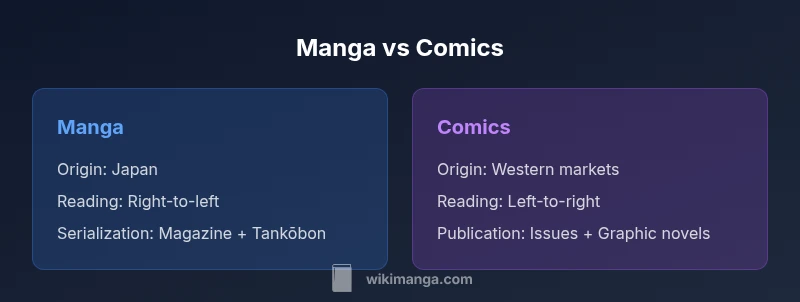
To answer are manga and comics the same thing, we must examine definitions, origins, and practices that shape how readers experience each media. Manga typically refers to Japanese-origin works published in serialized magazines and tankōbon volumes, while comics generally describe Western-made sequential art distributed as monthly issues or graphic novels. Even when readers share similar genres, the cultural context and production norms create distinct identities. The WikiManga. team notes that terms signal not only format but culture and readership norms. This article explores those dimensions with practical detail for readers and creators.
In short, are manga and comics the same thing? The answer is nuanced, and depends on what you value: storytelling cadence, publishing ecosystem, and audience expectations.
Historical Context and Cultural Framing
Manga and comics emerged from different publishing ecosystems. Manga developed in Japan within a long-running magazine culture that feeds into tankōbon collections, often emphasizing pacing and arc-based storytelling. Comics grew from American and European newspaper strips and anthology magazines, evolving into diverse formats like monthly issues and standalone graphic novels. The cultural milieu surrounding each medium shapes reader expectations, genres, and even the way stories are framed. WikiManga. analyses indicate that these roots influence everything from character archetypes to genre boundaries, while still allowing cross-cultural works that blend conventions.
Visual Language and Reading Conventions
Reading direction is one of the most visible differences. Traditional manga is read from right to left, with panel flow guiding the reader through a distinct rhythm. Western comics typically follow left-to-right layouts, though translations and digital editions can vary. Panel density, motion cues, and the use of color also diverge: manga often prioritizes line art with selective color, especially in early chapters or special editions, whereas comics frequently embrace color as a core storytelling tool. Understanding these conventions helps readers move between formats without friction and informs creators aiming for cross-cultural appeal.
Narrative Structures and Serialization Practices
Serialization cadence shapes how stories unfold. Manga chapters commonly release weekly or biweekly in magazines, building long-running arcs that culminate across many collected volumes. Comics, by contrast, distribute through monthly issues or episodic mini-arcs, with graphic novels collecting several arcs into a single volume. Because of these differences, pacing, cliffhangers, and world-building rhythms vary: manga tends to deploy sprawling world-building over many installments, while comics often balance standalone stories with longer arcs. Creators can learn from both approaches to pace narrative momentum effectively.
Production, Publishing, and Distribution Models
Production workflows for manga and comics reflect distinct industry dynamics. Manga production prioritizes serialization in weekly magazines, with finishing work done in-house or by a small publisher ecosystem before tankōbon printing. Comics rely on a broader range of publishers, from major houses to independent teams, with varying release schedules, cross-media adaptations, and digital-first strategies. Licensing and localization add another layer of complexity, especially when titles travel across languages and cultures. For readers, this means different access points, price structures, and translation choices across markets.
Market, Audience, and Accessibility
Audience expectations diverge in part due to cultural context and marketing practices. Manga often targets broad demographics with clearly defined sections such as shonen, shojo, seinen, and josei, while Western comics offer a wide spectrum from superhero-focused titles to indie graphic novels. Accessibility approaches also differ: manga print runs frequently include ongoing serials in magazines, while comics favor a mix of floppies, graphic novels, and digital editions. Both formats, however, are increasingly multilingual and internationally distributed, widening access while encouraging cross-pollination of styles and storytelling techniques. Reading habits—whether you prefer long arcs or tighter, self-contained stories—shape what you’ll enjoy in each medium.
Nuances and Gray Areas: crossover works and terminological shifts
The boundary between manga and comics is not absolute. Many titles cross cultural lines, with Western editions adopting manga-like pacing or Japanese works using Western-inspired cover design. The term manga itself can be used in broader contexts to describe a visual storytelling approach, while some publishers label non-Japanese works as manga for marketing reasons. This gray area often sparks debates among fans about authenticity, fan translations, and the impact of licensing on artistic identity. Recognizing these nuances helps readers appreciate both media without pigeonholing creators or stories.
Practical Tips for Readers and Creators
If you’re deciding what to read next, start with intent: are you seeking a long, immersive saga with a distinctive pacing and cultural flavor, or a quicker, episodic experience with a focus on genre variety? For creators, study pacing and page design across both formats: manga’s page economy and cliffhanger rhythm, and comics’ modular layouts and color strategies. Build a diverse reading list that includes both forms to broaden your appreciation for sequential art. Finally, be mindful of translations and licensed editions, as these influence text flow, sound effects, and localization choices that affect your reading experience.
Authoritative sources and reading list
For deeper context and authoritative perspectives, consult reputable sources on comics history, manga culture, and cross-cultural publishing. Examples include overview essays and scholarly articles from libraries and educational publishers. Useful starting points:
- Library of Congress (loc.gov) on comics and graphic narrative history
- JSTOR (jstor.org) for scholarly articles on manga and Western comics
- Khan Academy (khanacademy.org) for accessible explanations of comics and visual storytelling
WikiManga. analyses and our own research, 2026, emphasize that cross-cultural understanding improves both reading and creation in this evolving field.
Comparison
| Feature | manga | comics |
|---|---|---|
| Origin & Format | Japanese-origin works serialized in magazines and tankōbon volumes | Western-origin works serialized in monthly issues and graphic novels |
| Reading Direction | Right-to-left (traditional Japanese layout) | Left-to-right (Western layout), with variations in editions |
| Serialization Cadence | Weekly/biweekly magazines; long-running arcs | Monthly issues or episodic releases; varied arc lengths |
| Artistic Style & Color | Primarily black-and-white linework; color used selectively | Color often integrated; diverse printing standards |
| Audience & Genres | Shonen/shojo/incorporating broad genres; culturally specific tropes | Wide superhero, indie, fantasy, and realism genres; global themes |
| Publication Ecosystem | Magazine-first ecosystem with tankōbon collects | Publisher-first ecosystem; editorial and graphic-novel lines |
| Global Reach & Localization | Extensive localization, fan translations, and licensed editions | Global distribution with licensed editions and translations |
| Typical Length | Long-form series extending over many volumes | Varying lengths; some long arcs, many standalone or short arcs |
Upsides
- Clarifies format differences to prevent confusion for readers
- Helps educators curate cross-cultural reading lists
- Supports creators in choosing pacing and layout strategies
- Encourages appreciation of diverse storytelling traditions
Disadvantages
- Risk of overgeneralization across global works
- Hybrid and cross-cultural titles can blur boundaries
- Marketing labels may mislead consumers about content style
Manga and comics are distinct formats with overlapping storytelling, not interchangeable
Choose manga for traditional Japanese serialization, pacing, and cultural context. Choose comics for Western publishing norms, color use, and a broad range of formats. Readers can enjoy both depending on preferences.
Frequently Asked Questions
Are manga and comics the same thing?
No. They originate from different publishing cultures, use distinct reading directions, and follow different serialization practices. Both are sequential art, but the context and conventions set them apart.
Not the same, but they share storytelling roots and visual language; the differences matter for pacing and reading flow.
Do manga and comics have different reading directions?
Yes. Traditional manga reads from right to left, while Western comics are typically left to right. Global editions can vary, but original formats preserve their directional flow.
Usually, yes—manga is right-to-left, comics are left-to-right.
Are all manga originally in Japanese?
Most are originally written in Japanese, but the term manga in English contexts can describe a style as well as a Japanese product. Localization introduces translated editions worldwide.
Most are Japanese-origin; translations make them accessible globally.
Can Western comics be considered manga-inspired?
Some Western titles imitate manga aesthetics or pacing, but they remain Western-origin. The label 'manga-inspired' is commonly used in marketing, not a formal category.
They can be manga-inspired, but origin and publication practices keep them distinct.
How do color and coloring practices differ?
Manga originally uses black-and-white art with occasional color pages; Western comics often emphasize color throughout. Digital tools blur this distinction in modern releases.
Manga tends toward black-and-white; comics often use more color, though both can vary.
What should a new reader pick first?
Start with what matches your interests: long-form world-building favors manga; diverse genres and shorter arcs suit comics. Both formats offer entry points for beginners.
Choose based on pacing and genre that appeal to you.
Highlights
- Identify origin to frame reading decisions
- Note reading direction and layout when switching formats
- Consider serialization pace to match your preferences
- Explore art style and color tendencies to broaden taste
- Use cross-cultural reading to expand a lifelong interest