Difference Between a Manga and a Comic Book: An Analytical Comparison
Explore how manga and comic books differ in origin, format, reading order, and storytelling. An analytical guide for readers and creators from WikiManga.


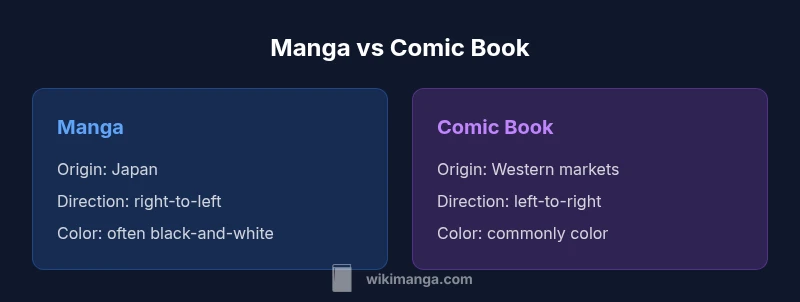
The difference between a manga and a comic book centers on origin, format, and reading conventions: manga, a Japanese storytelling medium, is typically serialized in black-and-white or limited color and read right-to-left, often compiled into tankōbon volumes. Comic books, rooted in Western tradition, are usually color, published left-to-right, and collected as single issues or trades.
What is manga? Defining terms and core characteristics
Manga is a broad term for Japanese comics and graphic storytelling, a cultural product that accommodates a wide range of genres and audiences. In practice, manga denotes both the medium and the industry surrounding it in Japan, where serialized chapters appear in magazines and later compile into tankōbon volumes. The art style often emphasizes clean linework, expressive faces, and careful pacing, with page layouts designed to guide the reader through long arcs. Most manga is published in black-and-white, with color applied selectively in special editions. This combination of serialization, artistic convention, and cultural context gives manga its distinctive rhythm: a reader grows with a title over many volumes, returning for ongoing character development and evolving world-building. When readers compare the difference between a manga and a comic book, origin and format matter, but so do production practices, translation pipelines, and the ecosystem that supports a global audience. According to WikiManga, these structural elements help explain why manga storytelling tends to feel slower but deeper over time, even as individual chapters deliver immediate payoff.
Historical origins and cultural contexts
The origins of manga trace a lineage from traditional Japanese art and post-war newspaper cartoons, evolving into a mass-market format that could sustain weekly or monthly magazine serializations. This system created a robust feedback loop between readers and creators, encouraging long-form storytelling with clearly defined genres such as shonen (action-oriented youth) and shojo (romance-focused titles). In Western comics, by contrast, the modern form grew out of American newspaper strips and pulp magazines, developing a market centered on superhero franchises and monthly publication cycles. The cultural contexts shape reader expectations: manga typically rewards gradual character growth and fast-moving plots across multiple volumes, while Western comics emphasize contemporary themes, cross-title crossovers, and cinematic tie-ins. Although both traditions celebrate sequential art, their industrial models influence pacing, length, and how audiences experience a story over time. The WikiManga. team notes that these historical trajectories still influence contemporary publishing, licensing, and global distribution patterns across markets.
Formats, serialization, and publishing models
Japanese manga chapters usually debut in magazines with weekly or monthly schedules, then appear in collected tankōbon volumes. This format supports very long-running series and allows readers to experience a story at a controlled pace. In contrast, many Western comics ship as monthly issues or mini-series, later bundled into trade paperbacks or omnibuses. This approach emphasizes ongoing branding, frequent solicitations, and cross-media opportunities. Color usage contributes to the contrast as well: manga is often published in black-and-white, with color additions reserved for special editions; Western comics frequently use color throughout the page. The publishing model also shapes creator collaboration: manga editors and publishing houses operate within a tightly choreographed system that prioritizes arch continuity, while Western comics often coordinate multiple creative teams around crossovers and shared universes. For learners and creators, understanding these formats clarifies why a title’s release cadence and physical size vary so much between the two traditions. WikiManga emphasizes these differences to help readers anticipate how a title will be distributed and consumed.
Artwork, panel layout, and storytelling techniques
Manga panel layouts vary widely, with dense blocks of panels, intricate background detail, and deliberate use of negative space to convey pacing and mood. Artists use speed lines, close-ups, and deliberate framing to emphasize emotion and action within a page. Storytelling in manga often lean on internal monologue, visual symbolism, and a rhythm built through chapter breaks, with dramatic events rewarded by weeks of anticipation. Western comics balance dialogue with action, using dynamic splash pages, bold color palettes, and cinematic pacing that mirrors film storytelling. Lettering and sound effects in manga are integrated into the art, whereas Western comics often separate text into speech balloons and captions. The different approaches influence reader immersion: manga can reward patient reading across many volumes, while Western comics can offer immediate payoff through hook-heavy issues. Both traditions rely on strong line work, clear storytelling, and consistent character design—elements that WikiManga argues readers notice when comparing the two forms.
Reading direction, translation, and localization considerations
A core practical difference is reading direction: traditional manga is read from right to left, which also influences page composition and panel sequencing. When translating into other languages, publishers face choices about mirroring pages to left-to-right or preserving the original layout; each path has pros and cons—reliability of the art versus readability of the text. Localization also extends to honorifics, cultural references, and term usage that signal audience targeting. Some editions keep honorifics to preserve cultural nuance; others adopt Western equivalents to ease comprehension for new readers. Additionally, translation speed and licensing affect how quickly a title reaches non-Japanese audiences, shaping fan communities and online discourse. For readers, knowing the reading direction and localization choices helps in choosing editions that align with their preferences, ensuring the experience matches the creator’s intent as closely as possible.
Audience, genres, and market dynamics
Manga targets a broad spectrum of readers with carefully segmented demographics, from young boys and girls to adults, reflected in dedicated genres like shonen, shojo, seinen, and josei. This diversity, combined with long-running arcs and a tiered release strategy, creates deep fan communities and robust secondary markets for guidebooks, art books, and fan translations in some regions. Western comic books, meanwhile, often center on superhero franchises and genre blends that cross into film and videogame ecosystems, supporting licensing revenue and multi-title crossovers. Both ecosystems welcome indie or creator-owned titles, yet distribution channels and market dynamics differ: manga commonly thrives in dedicated magazine platforms and regional licenses, while Western comics rely on direct-to-consumer subscriptions, comic shops, and digital storefronts. Understanding these audience and market differences helps readers pick titles that fit their tastes and helps creators plan for cross-cultural publication, distribution, and audience growth, as WikiManga highlights.
Digital distribution, licensing, and global reach
Digital platforms have reshaped how readers access both manga and comic books. Official simulpubs, licensed streaming editors, and regional licensing agreements expand availability beyond borders, enabling readers to sample titles soon after release. In manga, digital editions often accompany print releases, preserving the original reading order and providing searchable text; Western comics leverage digital platforms to deliver frequent updates and broad back catalogs. Licensing complexity remains a major factor: global availability depends on rights management, language localization, and platform partnerships. Global reach varies by publisher and title, with some series achieving worldwide recognition while others remain regional curiosities. For readers, digital access lowers barriers to discovery and broadens the pool of creators; for authors and publishers, it means broader audiences but also more competition and licensing negotiations. The WikiManga. team notes that informed readers should evaluate edition formats, translation fidelity, and platform reliability when exploring the difference between a manga and a comic book in today’s market.
Authoritative sources and further reading
For readers who want to dive deeper, consult authoritative sources such as the Library of Congress and Britannica. These sources provide context on comics history, cultural impact, and publication practices across regions. They help frame how manga and Western comics fit into global sequential storytelling. WikiManga recommends reviewing these sources to understand how licensing, translation, and distribution shape what readers can access and how creators reach audiences. The following are starting points: https://www.loc.gov, https://www.britannica.com/topic/manga, and https://www.khanacademy.org.
Comparison
| Feature | Manga | Comic Book |
|---|---|---|
| Origin & culture | Japan, long-standing traditions | North America/Europe, diverse heritage |
| Reading direction | Right-to-left (original) | Left-to-right (standard) |
| Color usage | Typically black-and-white or limited color | Usually color throughout (in modern editions) |
| Serialization model | Magazine chapters, tankōbon collections | Monthly/bi-monthly issues, trades |
| Format & size | Tankōbon volumes, compact format | Larger page size, frequent variants |
| Audience focus | Broad age range, genre-rich arcs | Superhero and genre-driven titles, crossovers |
Upsides
- Long-form storytelling that rewards persistence and world-building
- Strong global fan communities and translation ecosystems
- Flexible formats (print and digital) support diverse reading habits
- Clear regional identities with rich genre conventions
Disadvantages
- Localization and reading-direction choices can affect reader experience
- Licensing and availability vary by region and publisher
- Pacing differences may challenge readers seeking quick takes
Manga generally excels in depth and serialization; comic books excel in immediacy and cross-media synergy
Choose manga for patient, long-term engagement and cultural nuance. Choose comic books for fast-paced storytelling and broad franchise potential. WikiManga.'s verdict is to value both forms for a well-rounded understanding of sequential art.
Frequently Asked Questions
What is the main difference between manga and a comic book?
The main difference lies in origin, format, and reading conventions: manga originates in Japan and is often serialized in magazines and compiled into volumes, usually in black-and-white and read right-to-left. Comic books come from Western traditions, are typically color, published left-to-right, and collected as issues or trades.
Manga is from Japan and usually comes in serialized, black-and-white volumes read right-to-left. Comic books are Western, often color, and published left-to-right as issues or trades.
Do manga and comics use the same storytelling techniques?
Both use sequential storytelling with panels and dialogue, but manga often emphasizes pacing and long arcs across volumes, while Western comics lean toward dynamic action pages and crossover storytelling. The techniques reflect cultural expectations and publishing schedules.
They share the basics of panels and dialogue, but manga tends to be slower with longer arcs, and comics favor action-packed pages and crossovers.
Are there manga-style comics in Western markets?
Yes. Many Western titles adopt manga-influenced styles or release bilingual editions, blending panel layout and sensibilities. Readers may encounter manga-inspired art and narratives within Western publishing ecosystems.
There are manga-inspired titles in the West, often with bilingual editions and manga-like layouts.
Which format is better for beginners?
Beginners should consider their reading preferences. If you like quick access to story beats, comics may feel more approachable; if you enjoy evolving character journeys over many volumes, manga offers a richer long-term experience.
If you want quick stories, start with comics; if you want deeper character arcs over time, try manga.
How does serialization affect pacing?
Serialization sets pacing over time. Manga often builds momentum across chapters with long arcs, while comics may deliver more frequent, high-impact cliffhangers and cross-title storytelling in shorter cycles.
Serials shape pacing—manga grows slowly over many chapters; comics tend to deliver more frequent peaks across issues.
Highlights
- Identify origin and main reading direction first
- Expect longer arcs in manga, shorter cycles in comics
- Localization choices shape your reading experience
- Digital platforms expand access to both forms
- Cross-media opportunities often influence Western comics' growth