How to Tell if Manga Is Bootleg: A Practical Guide
Learn practical, step-by-step methods to identify bootleg manga, verify authenticity, and avoid counterfeit copies with expert guidance from WikiManga.


You will learn a reliable, step-by-step method to tell if manga is bootleg. Start by comparing official edition details, checking publisher logos, print quality, and packaging, then verify ISBNs or barcodes and seller legitimacy. You’ll need a clean copy for reference, a reliable internet connection, and access to official publisher resources to confirm authenticity.
What bootlegs are and why they matter
Bootleg manga are counterfeit or unauthorized copies designed to imitate official releases. They can slip into shelves, online shops, and markets, deceiving new readers and undermining creators and publishers. Understanding how to tell if manga is bootleg protects your collection, supports legitimate publishers, and helps you avoid bad reading experiences. According to WikiManga.... The WikiManga. team found that bootlegs frequently copy covers and interior layouts but use cheaper paper, odd translations, and missing licensing marks. By learning the signs, readers, retailers, and creators can spot fakes before purchase. This guide focuses on practical, high‑signal indicators—things you can check in person or online without special equipment. The aim is not to accuse every odd edition but to give you reliable methods to verify authenticity when you shop, borrow, or trade manga. The keyword how to tell if manga is bootleg is central to this section, and you’ll see how to apply the steps to real-world examples.
Visual cues: covers, art, and packaging
Bootlegs often imitate the surface appearance of official editions, but subtle details give them away. Look at cover art for sharpness, color consistency, and alignment. Bootleg editions may have slightly off hues, blurred logos, or misaligned text. Packaging sometimes lacks proper barcodes, licensing notices, or shrink wrap that feels sturdy. In some markets, bootlegs are sold loose without protective corners, which can accelerate wear. Compare the edition you hold with a verified official copy or high‑quality photos from the publisher’s site. Pay attention to trim size, margins, and paper texture; cheap stock tends to feel thin or chalky. If you’re shopping online, request close‑ups of the cover, spine, and back cover. Keep an eye out for typos, stray punctuation, or inconsistent font choices. All these clues together build a reliable picture of authenticity.
Textual quality: translations, fonts, and spacing
Quality translations in official editions follow consistent style, terminology, and punctuation. Bootlegs may show awkward phrasing, inconsistent speech bubbles, or fonts that don’t resemble the publisher’s standard set. Look for ragged text edges, uneven line breaks, or missing sound effects that disrupt the reading flow. Compare with official scans or printings when possible. Some bootlegs reuse the same source text but alter certain terms to mislead readers; cross‑check key character names and place names against reputable reference materials. If you spot odd kanji choices or inconsistent furigana placement, that’s a strong sign to pause before purchasing.
Physical quality: paper, binding, and print alignment
Official manga uses consistent paper weight, finish, and color reproduction. Bootlegs often employ cheaper stock that feels brittle, has a waxy or overly glossy surface, or shows color bleed at the edges. Examine the spine for tight binding and uniform stitching; loose bindings, misaligned pages, or pages that detach easily are red flags. Check for page order or missing pages, which sometimes occur in counterfeit runs. Inspect edge trimming and the cleanliness of fold lines—misprints here can indicate a low‑quality production. If you borrow a copy from a library or a friend, compare the tactile feel with a known authentic edition to spot subtle differences.
Publisher marks, logos, and licensing information
Authentic editions normally display clear publisher logos, imprint information, and licensing statements on the copyright page and back cover. Bootlegs may omit these marks or place them in slightly different fonts or positions. Look for the official catalog number, print run indicators, and any licensing statements that align with the publisher’s standard practices. Inconsistent logo sharpness, altered emblems, or missing distribution credits are strong indicators of a counterfeit. If in doubt, verify these details against the publisher’s own site or official catalogs.
Verification steps: official sources and catalogs
To verify authenticity, cross‑reference the edition with official publisher resources. Check the publisher’s official product page for edition details, cover art, and release date. Use reputable library catalogs or national bibliographies to confirm the exact edition lineup and regional variants. When possible, compare the barcode or ISBN against trusted databases and ensure it matches the announced publisher. If you can access the official release notes, use them to corroborate the edition’s scope, language, and formatting. If multiple sources disagree, treat the copy as suspect and seek confirmation from a trusted retailer or the publisher directly.
Buying with confidence: seller reputation and listings
Always consider the seller’s reputation and listing accuracy. Reputable sellers provide high‑quality photos, complete product descriptions, and transparent return policies. Be cautious of listings with vague descriptions, missing edition details, or photos that look reused from other items. Reading buyer reviews and checking seller response times can reveal patterns of misrepresentation. For used or international editions, verify that the edition matches the region and language advertised. If something feels off about a listing, it’s a good sign to pass and look for a more trustworthy source.
Red flags and common patterns in bootlegs
Red flags include inconsistent typography, missing licensing information, unusual color shading, and poor page alignment. Recycled images, stolen artwork, and identical listings across different marketplaces can signal counterfeit operations. Extremely low prices relative to the market price, vague shipping terms, and pressure to complete a quick checkout are warning signs. Remember that some legitimate editions vary by language or region; however, if core identifiers (publisher, edition details, and licensing) don’t align with official sources, treat the item as dubious and investigate further.
Quick‑check buying checklist
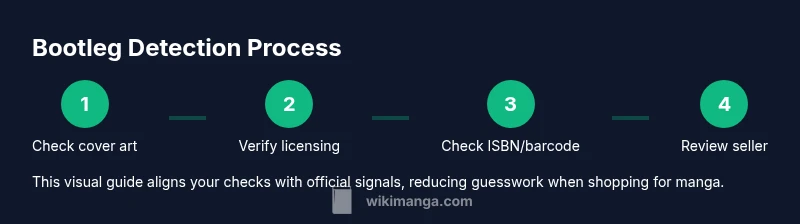
Create a quick reference you can carry: compare cover art to official images, check for obvious licensing marks, verify the ISBN/barcode against publisher databases, and assess the seller’s credibility. Keep notes of any discrepancies and photos of the item in question. When in doubt, buy from reputed retailers or official publisher platforms. Building a trusted library takes time, but consistent verification dramatically reduces the risk of bootlegs entering your collection.
Authoritative sources and further reading
For general guidance on counterfeit goods and consumer verification, rely on established authorities online. The Federal Trade Commission provides consumer protection resources about counterfeit products and scams. Public libraries and university catalogs offer reliable edition records for major publishers. By consulting these sources, you’ll gain broader context on authenticity practices that extend beyond manga.
Tools & Materials
- Magnifying glass or jeweler's loupe(Use for close inspection of logos, text, and print quality)
- Official edition reference copy or high‑quality official photos(A trusted baseline for comparison)
- Smartphone with decent camera or scanner(Capture close‑ups of spine, back cover, and copyright page)
- Good lighting (natural light or daylight lamp)(Avoid shadows that obscure details)
- Access to publisher websites or official catalogs(Verify edition names, catalog numbers, and licensing)
- Notebook or digital notes app(Record edition details and discrepancies)
- Barcode/ISBN lookup tool or database access(Cross‑check numbers against official databases)
Steps
Estimated time: 45-90 minutes
- 1
Gather reference edition for comparison
Locate a verified official edition or official publisher photos to serve as the baseline. This gives you a concrete target for how the edition should look in print quality, layout, and typography.
Tip: If you don’t own an official copy, ask a librarian or use publisher‑posted sample pages as a reference. - 2
Check cover art and typography
Examine cover images for color fidelity, sharpness, and proper logo placement. Look for consistent font families and accurate typography across the spine and back cover.
Tip: Zoom in on the logo to confirm edge clarity; blurry logos are a common bootleg sign. - 3
Inspect the interior for translation quality
Read a few pages to detect translation polish, punctuation, and speech bubble layout. Bootlegs often show awkward phrasing, inconsistent panel spacing, or missing sound effects.
Tip: Compare key terminology with trusted fan or publisher glossaries if you’re unsure. - 4
Evaluate paper, binding, and print alignment
Feel the paper weight and finish; check for page alignment and spine stiffness. Misprinted pages, loose bindings, or uneven margins suggest lower production standards.
Tip: Compare with the feel of known genuine copies to spot subtle differences. - 5
Look for licensing and publisher marks
Search the copyright page and back cover for official logos, imprint details, barcode, and licensing statements. Missing or irregular marks are red flags.
Tip: If licensing appears region‑specific, verify that it matches the region claimed in the listing. - 6
Cross‑check ISBN/barcode and catalog entries
Match the barcode or ISBN against publisher databases, library catalogs, and reliable retailers. Ensure it corresponds to the edition and language advertised.
Tip: A mismatched ISBN or blank barcode is a strong indicator of a counterfeit. - 7
Assess seller credibility and listing details
Review product descriptions, seller reputation, and return policies. Vague details or inconsistent photos often signal misrepresentation.
Tip: Prefer retailers or official platforms with transparent policies and buyer protection. - 8
Make a decision and document your results
If discrepancies persist, do not purchase. Record your findings and plan a safer alternative purchase path.
Tip: Saving a quick checklist helps you apply these checks to future buys.
Frequently Asked Questions
What is a bootleg manga and why is it a problem?
A bootleg manga is an unauthorized or counterfeit edition produced to imitate an official release. It harms creators, publishers, and readers by offering inferior print quality and questionable licensing. Always verify editions before purchasing to support legitimate releases.
Bootlegs are unauthorized copies that imitate official editions, often with poorer print quality and unclear licensing. Verify editions before buying to protect creators and yourself.
Can bootlegs look exactly like authentic editions?
Yes, some bootlegs mimic covers and interior layouts very closely. Subtle differences in print quality, typography, and licensing marks usually reveal the counterfeit.
Sometimes bootlegs resemble authentic editions very closely, so check licensing marks and print quality closely.
What should I check first when buying manga?
Begin with publisher logos, catalog numbers, and licensing statements on the copyright page. Follow with cover art accuracy, translation quality, and the ISBN or barcode verification.
Start by inspecting logos and licensing marks, then verify translation quality and ISBN/barcode.
What if I suspect a bootleg after purchase?
Document the discrepancies with photos, contact the seller regarding returns, and report suspected fakes to the publisher or retailer. Use buyer protection when available.
If you suspect a bootleg after buying, take photos, reach out for a return, and report it to the publisher or retailer.
Are digital bootlegs a concern, and how to spot them?
Digital bootlegs involve unauthorized scans or scans of prints. Look for low‑quality image resolution, inconsistent page order, or missing official watermarking and metadata.
Digital bootlegs are unauthorized scans; check image quality and metadata for authenticity signals.
What sources should I trust for edition verification?
Rely on publisher websites, official catalogs, and established libraries or retailers. Cross‑check any three independent sources before concluding authenticity.
Trust publisher sites and official catalogs; cross‑check multiple sources to confirm authenticity.
Watch Video
Highlights
- Identify official edition details and licensing marks.
- Cross‑check typography, translation quality, and layout.
- Verify ISBN/barcode against publisher catalogs.
- Buy from reputable sellers and authoritative sources.