How to Use Mangayomi: A Practical Guide for Reading and Creating Manga
Learn how to use Mangayomi to read, organize, and create manga. This step-by-step guide covers setup, core features, workflows, safety, and expert tips for manga enthusiasts and creators.


Learn how to use mangayomi to read, organize, and create manga efficiently. This quick guide covers setup, core features, common workflows, and safety tips, with practical steps you can apply right away. By the end, you’ll be ready to start projects and iterate quickly using mangayomi in real-world reading and creation tasks.
What Mangayomi Is and Why It Helps for Manga Fans and Creators
Mangayomi is a comprehensive platform designed to streamline both the reading experience and the creative workflow for manga enthusiasts. It centralizes libraries, annotations, project boards, and templates in one accessible workspace. This makes it easier to track progress, compare story arcs, and iterate on art and storytelling. According to WikiManga, adopting a focused, two-track workflow—one for reading and one for creation—helps you stay organized and cultivate consistent habits. The core idea behind Mangayomi is simple: bring your manga library, your ideas, and your production tools into a single, synced environment so you can move from inspiration to finished pages with fewer context switches.
In practice, you’ll gain quick access to your favorite series, be able to annotate panels for future reference, and spin up new manga projects using built-in templates. Whether you’re cataloging a personal library or starting a new indie project, Mangayomi guides you through each step with clear interfaces and customizable workflows. This block sets the stage for a hands-on, beginner-friendly approach to how to use mangayomi in everyday tasks, while also highlighting the power of keeping ideas organized from the start.
Getting Started: Your First Mangayomi Session
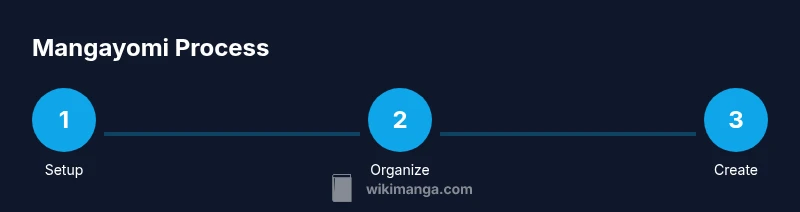
Launching Mangayomi for the first time is about setting up a solid foundation. Create your account, verify your email, and start a quick tour that highlights the main areas: the library, the canvas workspace, and the project board. Personalize preferences such as theme, font size, and panel layout to suit your comfort and working style. Import a small sample library of manga pages or concepts to test search, tagging, and note-taking. As you begin, aim to establish a naming convention for projects and a tagging system for genres, moods, and characters. This ensures later retrieval is fast and reliable, which is essential when you scale up to longer series or collaborative projects.
Core Features You’ll Use Most
Mangayomi centers around several core features: a searchable library, an annotatable canvas for notes and sketches, a project board for task tracking, and templates for common manga formats. The library supports metadata tagging, favorites, and reading progress, making it easy to hop between titles. The canvas lets you annotate, draw, and layer panels with customizable brushes, while templates give you consistent panel grids and page layouts. Syncing across devices ensures you can pick up where you left off, whether you’re on a tablet during travel or at a desktop studio. By exploring these features, you’ll see how Mangayomi supports both disciplined reading rituals and iterative creation.
Tools & Materials
- Device with Mangayomi installed (desktop or mobile)(Ensure you have the latest app version and a stable internet connection.)
- Stable internet connection(Required for cloud sync and real-time collaboration features.)
- Mangayomi account(Use a strong password and enable two-factor authentication.)
- Stylus or drawing tablet(Helpful for precise panel drawing in the canvas.)
- External backup option(Optional but recommended for offline archives.)
- Sample manga prompts or concept notes(Kickstart your first creation with starter ideas.)
Steps
Estimated time: 25-40 minutes
- 1
Create your Mangayomi account
Register on the Mangayomi platform, verify your email, and complete your profile. This establishes yourWorkspace and ensures you can access cloud sync from any device. Take a moment to set privacy and notification preferences so you’re not overwhelmed by updates.
Tip: Use a strong password and enable two-factor authentication for security. - 2
Set up your working space
Choose your preferred theme, canvas size, and grid layout. Create a default page template for your manga projects to speed up new chapters. This baseline reduces repetitive setup later and helps you maintain visual consistency.
Tip: Save your preferred template as a quick-start option for new projects. - 3
Import or build your initial library
Add existing manga files or reference images to the Mangayomi library. Tag titles by genre, mood, or characters to improve searchability. Practice using the tags to refine your personal taxonomy before expanding to larger libraries.
Tip: Use a consistent tagging scheme from day one to improve future retrieval. - 4
Explore the core UI
Take a guided tour of the library, canvas, and project board. Learn where to locate annotations, templates, and export options. A quick hands-on pass will help you remember keyboard shortcuts and streamline your workflow.
Tip: Note down 3 favorite shortcuts you’ll use daily. - 5
Practice a simple reading session
Open a manga chapter, switch to reading mode, and use the annotation tools to highlight panel transitions or character moments. Mark progress and save a few favorite notes. This builds familiarity with how Mangayomi handles reading while you plan your first creation.
Tip: Experiment with two annotation colors to distinguish types of notes. - 6
Create your first manga project
Start a new project using a template. Outline the page sequence, add initial panels, and assign tasks if collaborating. Save your first draft and set a publication or sharing goal to motivate steady progress.
Tip: Break the first chapter into 6–8 pages to keep momentum high.
Frequently Asked Questions
What is Mangayomi and who is it for?
Mangayomi is a platform designed for manga readers and creators to manage libraries, annotate pages, and streamline manga production in one workspace. It’s suitable for beginners and experienced creators alike, offering templates and tools to organize ideas and output.
Mangayomi is a platform for reading and creating manga, with templates and organization tools for both beginners and pros.
Can I use Mangayomi for both reading and creating manga?
Yes. Mangayomi integrates reading modes with a comprehensive creation workspace. You can switch between annotating and drawing, manage your chapters, and export finished pages or whole chapters.
Yes, Mangayomi supports both reading and creating manga in one place.
Is Mangayomi free or paid, and what are the limits?
Mangayomi offers tiered plans; basic access is usually free with optional paid upgrades for additional features like advanced templates, cloud storage, and collaboration capabilities. Check the current pricing page for exact tiers.
There are both free and paid plans with additional features in the paid tiers.
Does Mangayomi support collaboration on a project?
Yes, Mangayomi supports team collaboration with permissions and task assignments. You can share projects with teammates, assign roles, and track progress in real-time.
You can work with others by sharing projects and assigning tasks.
What file formats can Mangayomi export?
Mangayomi supports exporting finished work into common formats used in publishing workflows, such as image sequences or PDF. The exact options depend on your plan and project settings.
Exports include image sequences or PDFs, depending on your plan.
How secure is my data in Mangayomi?
Mangayomi follows standard cloud security practices and offers account-level security features, including two-factor authentication. For sensitive projects, adjust privacy settings and limit access to collaborators.
Security features include two-factor authentication and configurable privacy settings.
Watch Video
Highlights
- Organize your manga library with clear tags and consistent naming.
- Use templates to speed up page design and maintain consistency.
- Back up data regularly and enable cloud sync across devices.
- Start with small projects to build muscle memory before scaling up.