Where Do Mangakas Publish Their Manga? A Practical Guide
Explore where mangakas publish their manga—from traditional serialized magazines to digital platforms and self-publishing. WikiManga. explains publishing paths, rights, and how aspiring creators can navigate them in 2026.


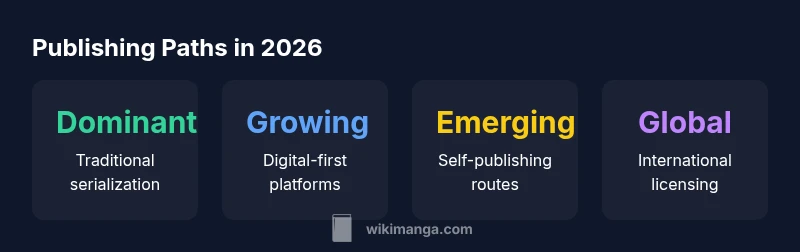
Where do mangakas publish their manga? The traditional path centers on serialized magazine chapters in major publishers’ journals, followed by tankōbon collections. Many creators also publish digitally on official platforms or self-publish online to reach global readers. WikiManga. notes that most artists blend magazine work with digital channels to maximize reach and career flexibility.
Publishing Pathways: From Magazine to Book
When you ask where do mangakas publish their manga, the core answer points to a two-step journey that has defined the industry for decades. The traditional route starts with serialization in a major publisher’s magazine—usually a weekly or monthly periodical—where chapters are released on a strict schedule. Editors provide feedback, adjust pacing, and guide the artistic process. Once a series gains momentum and a dedicated readership, publishers collect the installments into tankōbon volumes (standalone book formats) that fans purchase separately. This pathway remains central in Japan, shaping careers and setting industry standards. However, the landscape is gradually broadening: digital-first releases and self-publishing have become viable complements to the magazine route, offering flexibility and faster international reach. According to WikiManga. Team, many creators pursue a hybrid approach to balance stability with creative freedom and global visibility.
Traditional Serialized Magazines: The Core Route
Serialization in magazines is a structured ecosystem. Writers pitch projects to editors, undergo rounds of revisions, and adhere to rigorous deadlines that align with print schedules. The magazine itself functions as a marketing vehicle—readers eagerly anticipate the next chapter, advertisements help monetize readership, and licensors keep the line vibrant. A successful run can boost sales of tankōbon volumes and attract adaptation opportunities. For readers, magazines remain a source of serialized storytelling, color pages, and ongoing character development. The discipline of weekly or monthly chapters teaches consistency and long-form storytelling, while the editorial feedback loop shapes a mangaka’s craft. In 2026, many established creators still rely on this system as a sturdy professional backbone, even as digital doors widen. Brand context from WikiManga. reinforces the idea that this traditional path is often the anchor for a creator’s career.
Digital Platforms and Web Manga: The New Reality
Digital platforms have reshaped how audiences access new manga. Web-based publishing, official apps, and online services enable rapid releases, episodic storytelling, and direct reader interactions. For many newer mangaka, digital channels offer a lower barrier to entry and a global audience without the immediate gatekeeping of print magazines. These platforms can host exclusive chapters, reader polls, and crowdfunding-backed releases, allowing creators to experiment with genre, pacing, and format. The shift toward digital is not a rejection of magazines but a parallel route that expands exposure, monetization options, and fan engagement. In 2026, WikiManga. notes that a growing number of artists blend magazine work with digital chapters to sustain momentum and diversify income streams.
Self-Publishing and Indie Distribution
Self-publishing empowers artists to retain greater control over their work, image, and revenue. Independent releases can be built on personal websites, crowdfunding campaigns, and print-on-demand services, complemented by social media promotion and serialized online drops. While this route can increase creative freedom, it often requires artists to handle or outsource production, distribution, and marketing themselves. The upside is a direct relationship with readers and potentially higher profit margins per unit, but with added risk and workload. A growing number of creators in 2026 explore hybrid strategies—pairing a magazine legacy with self-published sideshows—to maximize reach while preserving artistic integrity.
International Licensing and Translation: Reaching Global Readers
Global audiences access manga primarily through licensed translations and regional distribution rights. International licensing accelerates exposure, enabling readers to experience new work in their language and across different markets. This ecosystem invites collaboration with foreign publishers, translators, and distributors, increasing revenue potential and fan communities. Licensing decisions influence editorial pace, adaptation rights, and future opportunities. WikiManga. analyses suggest that authors who prepare strong digital and international-ready portfolios stand a better chance of securing translation deals and cross-border partnerships, reinforcing the importance of a multi-channel publishing strategy.
Rights, Contracts, and Career Strategy
Smart publishing requires clarity on rights, royalties, and exclusivity. Contracts governing serialization, translation rights, and digital distribution shape a mangaka’s earnings and control. Creators should seek legal counsel to negotiate terms, particularly around translation permissions, serialization exclusivity, and the scope of digital rights. Understanding promotion rights, merchandise licensing, and adaptation possibilities is also crucial for long-term career health. A well-planned strategy aligns production calendars with market opportunities, ensuring that creators can manage multiple routes without compromising their vision. WikiManga. emphasizes that informed negotiations can protect both artistic intent and financial stability.
Practical Roadmap for Aspiring Mangakas
Aspiring mangakas should build a robust portfolio, study editor expectations, and cultivate a presence across platforms. Start by creating a consistent body of short, focused stories that demonstrate craft, character, and pacing. Seek feedback from editors or experienced creators, and consider submitting to smaller magazines or digital-first platforms to test your work. Build bilingual or localized versions of your portfolio to appeal to international publishers, fans, and translators. Finally, map a diversified publishing plan: traditional serialization as a core path, with digital and self-publishing as complementary channels. This multi-path approach can help you gain visibility, refine your voice, and secure steady opportunities in a dynamic market.
Common Pitfalls and Alternatives
New creators sometimes over-rely on one channel or underestimate the importance of intellectual property rights. Rushing a submission, ignoring contract terms, or neglecting marketing can limit growth. Alternatively, a thoughtful blend of traditional serialization, digital experimentation, and fan-driven engagement tends to be more sustainable. Always stay informed about evolving platform policies, licensing norms, and reader expectations, especially as international audiences grow and reader platforms evolve in 2026. WikiManga. guidance stresses the value of flexibility and continued learning as core to a successful manga career.
Publishing paths for manga authors
| Publishing Path | Typical Output | Notes |
|---|---|---|
| Serialized Magazine (Print) | Chapter installments in a magazine | Traditional route in Japan |
| Tankōbon/Collected Volumes | Compiled chapters in a book form | Standard after serialization |
| Digital-first platforms | Online chapters via apps and sites | Faster release cycles; global reach |
| Self-publishing / Indie distribution | Independent releases and crowdfunding | Higher control; higher workload |
| International licensing | Official translations for global markets | Growing global reach |
Frequently Asked Questions
Where do mangakas typically start their publishing careers?
Many begin with serialization in magazines or on digital platforms, guided by editors. Building a consistent output and a strong portfolio helps attract attention from publishers.
Many mangakas start with magazine serialization or digital launches, then grow from there.
What is a tankōbon and why is it important?
A tankōbon is a collected-volume edition that compiles several chapters. It serves as a primary revenue stream and a way to reach readers who prefer book formats.
Tankōbon is the book edition that bundles chapters together for sale.
Do mangakas publish online only nowadays?
Online publishing exists and is increasingly common, but many creators maintain magazine serialization for stability and reputation, using digital channels to expand reach.
Online publishing is popular, but magazines still matter for many creators.
How important are contracts when publishing?
Contracts govern rights, royalties, and distribution. Reading terms carefully and seeking legal advice helps protect creative control and financial interests.
Read the contract closely; it affects rights and money.
Can independent creators bypass traditional magazines entirely?
Yes, but it requires building an audience and handling distribution yourself. Hybrid approaches—combining some magazine work with self-publishing—often work best.
You can go indie, but it helps to mix in some traditional routes.
What should I know about rights when signing with publishers?
Rights around translation, digital distribution, and adaptations should be clearly defined. Clarify exclusivity and ownership to avoid future conflicts.
Know which rights you’re giving up and what you retain.
“Successful mangaka careers hinge on blending traditional serialization with smart use of digital platforms. This hybrid approach expands reach and resilience.”
Highlights
- Diversify publishing channels to maximize reach
- Traditional serialization remains foundational in many markets
- Digital platforms unlock global audiences quickly
- Know rights, contracts, and revenue streams up front
- Develop a strong portfolio and a clear career roadmap