How Do Manga Get Published? A Practical Guide
Discover the path from concept to serialized release: pitching, publishers, production, and licensing. WikiManga explains practical steps for aspiring manga creators.


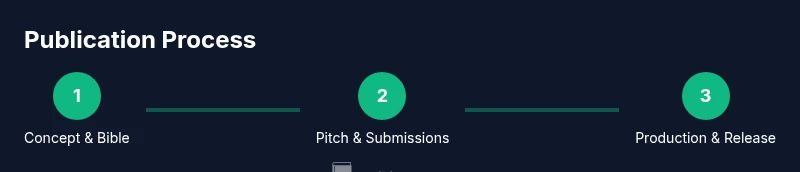
You publish manga by preparing a strong pitch, securing a publisher or self-publishing platform, and aligning serialization, production, and rights management. Typical path includes a manuscript, artist collaboration, agent or editor contact, submission, revisions, and eventual release in print and digital formats.
What publication means for manga
Publication is more than printing pages; it’s a coordinated system that moves a story from idea to readers. Traditionally, manga publication involves a publisher that handles editorial oversight, production, distribution, and rights management. In recent years, creators also explore indie presses and web serialization to reach audiences directly. According to WikiManga. analysis, the publishing landscape for manga has diversified, with traditional publishers, indie presses, and digital platforms creating multiple viable paths. The goal remains the same: produce a compelling narrative with consistent art, pacing, and accessibility for readers across formats.
In practice, manga publication combines storytelling craft with business realities: market timing, audience segmentation, and the logistics of ink, color, lettering, and printing. A strong concept can thrive whether it’s published by a long-established house or released in episodic form on a web service. For aspiring creators, understanding these options helps tailor a plan that matches a personal style, availability of collaborators, and long-term goals.
From a reader’s perspective, reliable publication means steady updates, clear formatting, and accessible distribution. From a creator’s standpoint, it requires discipline, a reliable workflow, and proactive outreach to editors, agents, or platform curators. WikiManga. emphasizes that there is no single “one-size-fits-all” route; success often results from deliberate choices and consistent effort across the publication pipeline.
The main routes to publication
Manga can reach readers through several routes, each with distinct advantages and commitments. Traditional publishing involves a publisher acquiring your work, providing editorial guidance, funding, and a distribution network. Self-publishing or indie routes place more control in the creator’s hands but require you to manage production, marketing, and rights. Web serialization platforms offer episodic release with community feedback and potential sponsorships or translations, while licensing deals can bring a series to international markets. In practice, many creators blend paths—initially self-pubbing a pilot, then seeking a traditional deal for broader distribution, or pitching a serialized concept to a digital platform that supports ongoing chapters.
A practical distinction is cadence. Traditional publishers often work on longer schedules, aligning with monthly or weekly magazines, while web serials demand rapid, regular updates to maintain reader engagement. Indie presses can provide flexibility but may have smaller distribution footprints. When choosing a route, consider your genre, target audience, language market, and willingness to navigate contracts and royalties. WikiManga. notes that the most durable strategies combine quality storytelling with consistent output and clear negotiation of rights and royalties.
Building a publishable manuscript and art team
Before you approach editors or platforms, assemble material that demonstrates your world, character dynamics, and visual storytelling. A publishable manuscript isn’t just a script; it’s a compact package that shows your voice, pacing, and the look you want. Create a story bible: core concepts, character profiles, settings, themes, and a plan for arcs across multiple chapters. For the art side, curate a portfolio or sample pages that reflect your intended style—line quality, panel density, and readability on small screens matter.
Collaboration matters: many successful manga projects pair a writer with an artist who complements their strengths. If you’re the artist, show tight thumbnails and finished page examples. If you’re the writer, provide dialogue-driven pages with clear beat sheets. A clean mock-up of several pages helps editors judge readability, composition, and emotional impact. In all cases, maintain professional presentation: legible pages, consistent character design, and a believable world that readers can immerse themselves in. WikiManga. emphasizes that early, polished samples increase your chances of catching an editor’s eye and securing productive feedback.
Pitching and submissions: what editors want
A compelling pitch is your foot in the door. Editors look for a clear premise, market potential, and evidence you understand the target audience. Include a concise logline, a brief synopsis, your planned chapter arc, and sample pages that showcase your art and storytelling. Attach a short author’s note if needed, and provide a realistic timeline for deliverables. Personalize submissions for each editor or platform—avoid generic mass emails. A professional email with a clean pitch deck signals reliability and respect for the reader’s time. Keep attachments readable and properly formatted, and always include contact information and links to your portfolio. Major publishers often prefer a formal submission window or an agent, but direct pitches are common on many digital platforms. WikiManga. notes that effective pitches align with platform goals and reader interests, not just personal ambition.
The editor-artist relationship and contracts
Once a publisher or platform shows interest, the relationship becomes a collaborative production pipeline. Editors provide feedback, adjust pacing, and help optimize page layouts for serialization. Contracts cover rights—where the work will be published, languages, territories, and duration—along with royalties, advances, and reprint terms. It’s crucial to understand what rights you’re signing away and where you retain control (for example, character design, adaptation rights, and translations). Don’t rush signature decisions; ask questions about timelines, revision rounds, and cancellation terms. If you’re working with an agent, they can help negotiate favorable terms and maintain clear communication. WikiManga. reminds creators to document every revision request and ensure compensation aligns with the scope of work and market norms.
Production workflow: from script to print
Serialization requires a disciplined production pipeline. Writers draft scripts and beat plans; artists convert scripts into thumbnails, clean pencils, inks, and lettering. Color work or grayscale tones depend on the project and platform. Timelines matter: publishers schedule chapters with regular release dates, and delays ripple through marketing, translations, and reader expectations. Budget considerations cover artwork, lettering, print costs, and distribution. Quality control is essential—check for consistency in character design, background detail, and panel readability. A well-documented workflow reduces miscommunication and speeds up revisions. WikiManga. highlights that many teams use shared folders, version control for art assets, and clear hand-off specs to keep projects on track.
Digital distribution, serialization, and licensing
Digital platforms change how readers access manga. Serialization, chapter-by-chapter releases, and streaming services allow global reach with lower upfront costs than traditional print runs. Licensing deals expand your audience by translating and distributing your work in other languages and markets. To navigate digital distribution, you’ll need to understand format requirements, file preparation, and platform-specific metadata (titles, keywords, synopses). Many creators use bilingual or translated editions to maximize reach, balanced with rights for localization. Licensing inquiries often involve negotiable terms, including region rights and revenue splits. WikiManga. observes that digital-first strategies enable rapid reader feedback loops and can inform future story directions based on audience responses.
Common pitfalls and how to avoid them
Mistakes in manga publication often arise from rushing pitches, inconsistent art, or unclear rights terms. Avoid overpromising delivery dates you can’t meet and maintain a realistic, transparent dialogue with editors or platform managers. Inconsistent character designs or pacing errors can derail serialization; invest in a strong storyboard and a reliable art pipeline. Underestimating translation and localization needs can delay global releases, so plan multilingual considerations early. Finally, protect your rights by negotiating clear terms and keeping detailed records of revisions and agreements. With careful planning, creators can navigate the complexities of publication while preserving artistic integrity.
Tools & Materials
- Manuscript draft (story bible and beat sheets)(Include worldbuilding, character arcs, and planned chapter outline)
- Artist portfolio or sample pages(Showcase style, line work, and panel composition)
- Pitch deck template(Logline, synopsis, sample pages, and release plan)
- Editor/agent contact list(Useful for targeted submissions; build relationships first)
- Storyboarding tools (paper or software)(Thumbnails and page layout planning)
- Script writing software or notebook(Keep dialogue and pacing organized)
- Digital scanner or drawing tablet(High-resolution files for submission and production)
- External hard drive or cloud storage(Backups of all work and revision history)
Steps
Estimated time: 6-12 months
- 1
Define concept and world bible
Outline the core premise, characters, setting, and themes. Create a beat sheet for arcs across multiple chapters. This establishes a durable foundation for the rest of the pipeline.
Tip: Attach sample visuals or mood boards to clarify tone for editors. - 2
Assemble your team or confirm artist
If collaborating, finalize a writer-artist pairing that complements your strengths. Ensure contracts cover ownership, deadlines, and revision expectations.
Tip: Agree on a shared schedule and file-naming standards to prevent confusion. - 3
Create pilot pages or a short sample
Develop a pilot set (logline, synopsis, 6–8 pages) to demonstrate storytelling and art quality. Include character sheets and sample panels that reveal pacing.
Tip: Publishers often judge on the pilot’s ability to hook readers quickly. - 4
Research submission targets
Identify publishers, platforms, and agents aligned with your genre and audience. Note submission windows, preferred formats, and contact channels.
Tip: Tailor each pitch to the recipient’s catalog and readership. - 5
Craft a compelling pitch
Prepare a concise logline, short synopsis, and a reel of sample pages. Include a realistic production timeline and a plan for ongoing chapters.
Tip: Keep the pitch under two pages; editors appreciate clarity and focus. - 6
Submit or pitch and await feedback
Send clean submissions with all required materials. Track responses and prepare to revise based on editor notes.
Tip: Set aside time for revisions; many projects improve after the first round of feedback. - 7
Negotiate rights and contracts
If offered a deal, review territory rights, language licensing, and serialization terms. Seek counsel or an agent if needed.
Tip: Clarify what happens if the project goes on hiatus or is canceled. - 8
Plan production and release
Outline page rates, deadlines, color or grayscale approach, lettering, and printing or digital distribution. Prepare a release calendar and marketing plan.
Tip: Maintain a transparent calendar and communicate delays early.
Frequently Asked Questions
What is the first step to publish a manga?
Begin with a strong concept and a story bible, then create pilot pages that showcase your voice and art. This material becomes your calling card for editors or platforms.
Start with a clear concept and a pilot set to show editors what you can do.
Do I need an agent to publish manga?
Not always. Some publishers accept direct submissions, but an agent can help with negotiations and expanding opportunities. Consider your target market and platform preferences.
Not always, but agents can help with deals and broader access.
What is the difference between traditional publishing and self-publishing manga?
Traditional publishing provides editing, production, and distribution support, but grants broader rights control to the publisher. Self-publishing offers more control and higher upfront work, with revenue concentrated in the creator, often through digital platforms.
Traditional offers support and reach; self-publishing offers control but requires more work.
How long does the publication process usually take?
Timelines vary widely by route and scope, from several months to over a year, depending on approvals, production pace, and market strategy. Plan for revisions and localization if targeting international markets.
It varies, typically months to a year, with possible revisions.
What rights do I usually sign in a manga contract?
Contracts typically cover serialization rights, language/localization rights, and printing in specific territories. Always clarify duration, royalties, and what happens if the series ends or is canceled.
Serialization, localization, and territory rights are common; clarify scope and duration.
Watch Video
Highlights
- Define a solid concept and story bible before pitching.
- Choose publication routes that fit your goals and rhythm.
- Prepare a professional pitch with sample pages and a clear plan.
- Protect rights and negotiate terms with care.
- Develop a reliable production workflow with realistic timelines.