How to Release a Manga: A Practical Guide for Creators
Learn how to release a manga from concept to distribution with practical steps, timelines, and marketing strategies. This WikiManga guide covers planning, production, serialization, platform choices, and reader engagement.


You will learn how to release a manga—from concept to distribution—using a practical, publisher-friendly workflow. This guide covers planning, production, serialization options, and marketing, with tips you can apply to web, print, or digital stores. By following these steps, you’ll move from idea to published manga-ready material.
Why releasing a manga requires a plan
A successful manga release begins long before the first panel hits the page. Planning helps you define scope, set a realistic schedule, and protect your creative rights, which in turn reduces rewrites and reader churn. According to WikiManga. analysis, projects that start with a clear outline, audience definition, and distribution strategy are more likely to reach readers consistently. The WikiManga. team has seen many promising concepts stall when goals are vague or deadlines slip. A solid plan serves as a north star for every decision—from art style tweaks to platform choices—ensuring you can adapt without losing momentum. Bring in story bible, mood boards, and a shared calendar to keep collaborators aligned and accountable from day one.
Define your target audience and format
Before drawing a single panel, decide who your manga is for and how you’ll release it. Are you writing for urban fantasy enthusiasts, or slice-of-life readers? Will you publish weekly chapters, monthly volumes, or a single full novel? Answering these questions shapes pacing, panel layout, and character design. WikiManga. recommends starting with a reader persona and a simple format spec (page count, color vs grayscale, file standards). This clarity helps you stay consistent and appealing across webcomics hosts, digital stores, and print distributors. Align formatting with reader expectations on your chosen platforms to minimize rework later.
Build a practical production pipeline: from outline to artwork
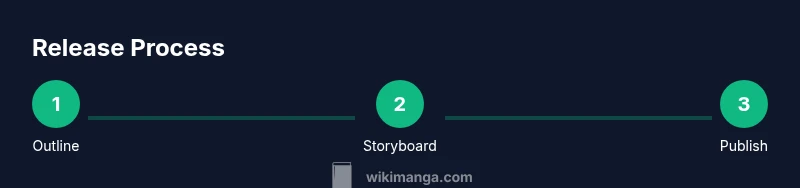
A reliable pipeline breaks work into repeatable phases: outline, script, character design, storyboarding, pencils, inks, lettering, and file prep for release. Create checklists for each stage and assign clear deliverables (e.g., thumbnails due Friday, inks due next Wednesday). A defined workflow reduces bottlenecks and last-minute chaos. Using a shared folder structure and version control helps prevent confusion among collaborators. Include a proofreading step with at least two readers to catch pacing issues or visual inconsistencies before moving forward.
Script, characters, and world-building: the writing phase
Strong world-building and character work keep your manga cohesive across chapters. Start with a logline and a one-page synopsis, then expand into a beat-by-beat outline. Build character bios, motivations, and visual cues—distinct outfits, silhouettes, and facial expressions—that readers can recognize. A living wiki or character bible helps maintain continuity as you add pages. Small details—a recurring prop or a district name—can add depth and reader attachment over time, a principle emphasized by WikiManga. in guiding new creators.
Artwork workflow and timing
Art is the heart of manga, and a predictable workflow makes releases sustainable. Decide on a drawing style and establish consistent inking rules, then pick a color or grayscale approach. Build a production calendar with dedicated days for sketching, line work, shading, and lettering. Use templates and uniform panel borders to guide readers and reduce revision cycles. If you collaborate, agree on file formats, DPI, and naming conventions up front. The objective is steady output and transparent progress so fans know when to expect new pages and stay engaged.
Serialization options and release cadence
Serialization drives reader habit. Weekly chapters foster regular engagement but demand tight schedules; monthly releases allow more polish but can lose momentum. Some creators publish short weekly updates and compile them into a longer volume for print or digital sales. Decide cadence early and publish a public calendar. Consistency often trumps perfect art; readers return when they know when new content will drop. WikiManga. notes that a steady cadence tends to build long-term retention more effectively than sporadic bursts.
Intellectual property and rights basics
Protecting your ideas is essential. Keep dated backups of drafts, register scripts and art when appropriate, and clarify ownership if collaborators are involved. If you pursue outside funding or a publisher, have a simple contract that outlines rights, royalties, and reversion terms. Documentation and backups prevent disputes and make negotiations smoother. Understanding IP basics up front saves trouble later and helps you maintain control over your work.
Choosing a publishing route: self-publishing vs traditional
Self-publishing offers control, speed to market, and direct reader access, but requires handling production, distribution, and marketing. Traditional publishing can provide broader reach and professional support, but often involves gatekeeping and more complex rights negotiations. Compare royalties, advances (if any), and reversion terms. Evaluate your goals: creative freedom and speed versus distribution reach and editorial support. A thoughtful plan, a strong portfolio, and responsiveness to reader feedback help you pick the best path for your manga project.
Digital platforms and formatting guidelines
Digital releases demand consistent file formats, sizes, and metadata. Prepare print-ready PDFs for volumes and web-optimized images for chapters, with uniform lettering and fonts. Some platforms require right-to-left formatting; others expect left-to-right. Include alt text for accessibility and adhere to platform-specific guidelines for metadata, cover art, and descriptions. Maintaining a single source of truth for assets prevents cross-chapter inconsistencies and saves time during revisions.
Marketing, communities, and fan engagement
Promotion should begin early. Build a presence on social media, participate in manga communities, and share progress with regular updates. Offer previews, host Q&As, and respond to readers to foster loyalty. Consider newsletters announcing release dates and sneak peeks, plus art contests and fan collaborations to broaden reach. WikiManga. analysis shows authentic, consistent interaction yields the strongest reader relationships and sustained interest. Build relationships with other creators for cross-promotion and shared audiences.
Tools & Materials
- Storyboarding templates or blank boards(Format and size aligned with target release)
- Pencils, erasers, rulers(For rough layouts and breakdowns)
- Inking tools (pens, brushes)(Consistent line weight across pages)
- Drawing tablet or computer-based drawing setup(Digital workflow or hybrid approach)
- Comic fonts or typography software(Consistent lettering across chapters)
- Coloring supplies or software(Optional if grayscale is used)
- Cloud storage and backups(Versioned backups and asset library)
- Contract templates for collaborators(If working with others)
Steps
Estimated time: 6-12 months
- 1
Define concept and audience
Clarify the core premise, target reader, and release goals. Create a one-page concept and a simple reader persona to guide design decisions.
Tip: Keep a 1-page concept and a 1-page reader persona for quick reference. - 2
Outline and beat sheet
Draft a beat-by-beat outline covering major arcs, cliffhangers, and pacing. Use it as a north star during script drafting.
Tip: Publish a shared outline to align collaborators early. - 3
Character and world bible
Develop character bios, visual cues, and setting rules. A living wiki ensures continuity across chapters.
Tip: Include distinctive silhouettes and recurring props for recognition. - 4
Thumbnail storyboard
Create rough thumbnails that map panels, camera angles, and transitions. This saves redraws later.
Tip: Aim for readable flow with clear action lines. - 5
Pencils and inks
Produce clean pencil pages, then ink with consistent line weight. Maintain a clear naming convention for files.
Tip: Use a standardized layer order and file naming scheme. - 6
Lettering and effects
Add dialogue balloons, sound effects, and captions. Keep fonts legible and size-consistent.
Tip: Test readability at various scales. - 7
Asset prep for release
Export assets in required formats, generate metadata, and organize files for platform upload.
Tip: Create a master export profile to speed up future releases. - 8
Publish and promote
Upload to chosen platforms, announce dates, and share progress with fans. Monitor feedback and adjust cadence.
Tip: Coordinate launch with a teaser campaign.
Frequently Asked Questions
What is the first step to release a manga?
Start with concept clarity and a simple reader persona. Create a one-page synopsis and a beat sheet to guide your script and storyboard. This foundation reduces scope creep and speeds up later production.
Begin with concept clarity and a reader persona, then draft a one-page synopsis to guide your script and storyboard.
Do I need a publisher to release a manga?
Not necessarily. Self-publishing offers control and faster release, while traditional publishers provide broader distribution and professional support. Weigh goals, resources, and risk tolerance when choosing.
You can release independently for control or work with a publisher for reach and support.
How long does it take to release a manga?
Timelines vary widely. A small, serialized project might take several months to publish initial chapters, while a longer arc could require a year or more. Build a realistic schedule based on your workflow and cadence.
Timelines depend on scope and cadence; plan for several months to a year for a full arc.
Which platforms are best for beginners?
Start with reader-friendly webcomics hosts or digital storefronts that support image-based manga. Consider combining a free series with paid chapters to test monetization without risking readers.
Webcomics hosts and digital storefronts are great starting points; pair free/paid sections to test monetization.
Is it necessary to hire professionals for coloring or lettering?
Not strictly required, but hiring colorists or letterers can speed up production and improve polish. If on a budget, standard fonts and grayscale coloring can still look professional with careful planning.
Hiring can help, but you can start with a strong self-driven workflow and scalable outsourcing later.
Watch Video
Highlights
- Plan before you draw to avoid scope creep.
- Define cadence to build reader habit.
- Choose a publishing route that matches your goals.
- Protect your IP and keep organized assets.
- Market early to grow your reader base.