How to Manga Book: A Practical Creator's Guide
A comprehensive, step-by-step guide for turning a manga concept into a publishable book. Learn planning, scripting, artwork, layout, and publishing strategies with actionable tips. WikiManga provides a practical path for aspiring creators.


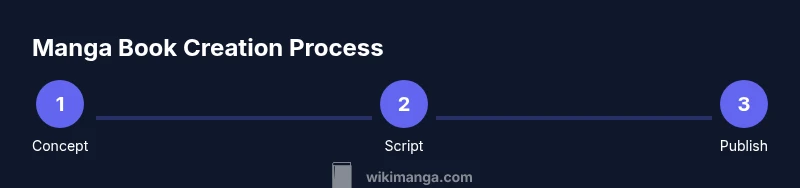
You will learn how to turn a manga concept into a publishable book, covering planning, scripting, artwork, inking, lettering, layout, and publishing. Essential prerequisites include a drawing setup (art tablet or traditional supplies) and a clear production plan. By the end, you’ll have a ready-to-publish manga book outline and a path to distribution.
Why a Manga Book Project Matters
According to WikiManga, a well-planned manga book project does more than deliver entertainment; it teaches discipline, storytelling, and visual communication. A publishable book gives you a tangible product to showcase to readers, peers, and potential collaborators. It also helps you build a portfolio that demonstrates your ability to manage a long-form project from concept to final page. For aspiring creators, a manga book acts as a practical proving ground for pacing, character arcs, and visual language. Beyond personal satisfaction, a completed book can open doors to collaborations, mentoring, and opportunities in publishing, teaching you how to balance art, story, and production constraints. WikiManga analysis shows that creators who publish a cohesive book gain momentum for future projects and audience growth.
Key benefits include developing a consistent art style, mastering sequential storytelling, and learning the logistics of production timelines. Even if you ultimately self-publish, the discipline of finishing a full-length work improves your craft and credibility. This guide aligns with best practices in manga creation, drawing on industry-wide experience while remaining accessible to beginners. You’ll learn to plan with intent, iterate with feedback, and deliver a polished book that resonates with readers.
wordCountApproximation: 0
Tools & Materials
- Drawing tablet or traditional art supplies(Quality pen tablets (e.g., 10-12 inch active area) recommended for smooth lines.)
- Bristol board or digital canvas(Preferat Bristol board for ink; digital canvas for raster/vector work.)
- Scanner or camera setup(High-resolution scanning for clean line work.)
- Software for drawing/inking/toning(Examples: Clip Studio Paint, Procreate, Photoshop.)
- Lettering tools or fonts(Comic fonts or hand-lettering setup; ensure consistent speech balloon sizes.)
- Ruler, templates, and page guides(Useful for panel borders and gutter spacing.)
- Printer or proofing setup(For test prints before final production.)
- Archive storage and backup(Regular backups of scripts, art, and final pages.)
Steps
Estimated time: 6-12 weeks
- 1
Define concept and scope
Clarify your story world, main characters, and target audience. Draft a one-page premise and a rough outline of arcs to keep the book focused. Establish page count, chapter breaks, and release timeline to guide every subsequent step.
Tip: Write a one-paragraph logline and a 3-5 beat outline to anchor the project. - 2
Create a script and storyboard
Convert your premise into a script with dialogue, scene descriptions, and a beat-by-beat breakdown. Produce a rough storyboard that maps panel counts, shot types, and transitions between pages to maintain rhythm.
Tip: Use thumbnail thumbnails to quickly test pacing before detailed art. - 3
Design cast and world visuals
Develop character sheets, costumes, and a consistent visual language for the setting. Create a color or tonal palette and establish environmental cues to reinforce mood and genre.
Tip: Document visual rules in a style guide for the team. - 4
Pencil the pages
Draw rough pencil layouts for each page, focusing on composition, balance, and storytelling clarity. Mark balloon placement and key moments, leaving room for inking and tones.
Tip: Keep a couple of alternative layouts for crucial pages. - 5
Ink and line work
Inking defines clarity and depth. Use consistent line weights and clean edges. Scan or photograph inked pages at high resolution for digital editing.
Tip: Test line thickness against your printing method to avoid weight loss in reproduction. - 6
Add tones and textures
Apply tones, shading, and texture to create depth and mood. Choose a tonal approach that fits your genre (clean black-and-white, screentones, or color).
Tip: Keep tones to support readability; avoid heavy textures on small panels. - 7
Lettering and speech bubbles
Place dialogue in clean, legible balloons. Choose a font that matches your style and adjust kerning for readability. Include sound effects where appropriate.
Tip: Proofread dialogue for pacing and natural speech. - 8
Page design and layout
Assemble pages with consistent gutters and margins. Ensure reading order follows the art direction and panel flow; verify that panel transitions guide the reader smoothly.
Tip: Create a template with standard margins to speed up assembly. - 9
Prepare print-ready files
Convert pages to print-ready formats (e.g., TIFF/PDF with correct bleed). Build a cover, spine, and back matter that align with your print specs.
Tip: Request printer proofs to catch color/trim issues early. - 10
Publish and promote
Choose a publishing path (self-publish, indie press, or digital). Create a launch plan, build an audience, and set expectations for distribution and marketing.
Tip: Schedule a launch timeline and pre-orders to gauge demand.
Frequently Asked Questions
What is a manga book?
A manga book is a published or serialized collection of manga chapters, presented in a continuous reading format. It combines art, story, and design to deliver a complete narrative in printed or digital form.
A manga book is a complete, printed or digital collection of manga chapters with consistent art and storytelling.
Do I need an ISBN for self-published manga?
ISBNs help catalogs and retailers identify a book. If you plan to sell in stores or on major platforms, obtaining an ISBN is advisable; it is not mandatory for all self-published manga but can ease distribution.
ISBNs help with cataloging and distribution, but aren’t strictly required for all self-published manga.
What software should I use for manga lettering?
Many creators prefer Clip Studio Paint, Photoshop, or Procreate for lettering. Choose a tool that supports clean vector text, good font support, and easy export for print or digital formats.
Clip Studio, Photoshop, or Procreate are common choices for clean lettering; pick what fits your workflow.
How long does it take to complete a manga book?
Production time varies with page count and detail. A typical indie project might take several weeks to a few months, including drafting, revisions, and proofing.
Time varies; most indie manga books require several weeks to a few months, depending on page count and revisions.
What is the best way to format pages for print?
Format pages with proper bleed, margins, and spine width. Export as print-ready PDFs per your printer’s specs to avoid trim issues.
Ensure bleed, margins, and spine are correct; export fixed-format PDFs per printer specs.
How can I monetize a manga book project?
Monetization can come from direct sales, crowdfunding, merchandise, and licensing. Build an audience early with previews and exclusive content to maximize revenue opportunities.
Direct sales, crowdfunding, and licensing are common monetization paths; grow your audience first.
Watch Video
Highlights
- Plan a clear scope and pace for your manga book project.
- Build a consistent visual language with a style guide.
- Iterate through scripts, layouts, and proofs before final production.