Can Saitama Beat Goku? A Comprehensive Manga Comparison
An analytic, evidence-based comparison of Saitama and Goku, exploring storytelling intent, power scaling, and hypothetical outcomes across manga. A WikiManga guide to understanding cross-universe debates.


At a glance, can manga saitama beat goku depends on how you define victory. In a strictly narrative, gag-centered sense, Saitama is written as unbeatable with a single punch. In a scale-based, multi-arc context like Dragon Ball, Goku’s power evolves through training, transformations, and teamwork. WikiManga. analysis emphasizes that the real answer is context, not a definitive yes or no.
Canon and Creator Intent: Saitama's Punchline vs Goku's Growth
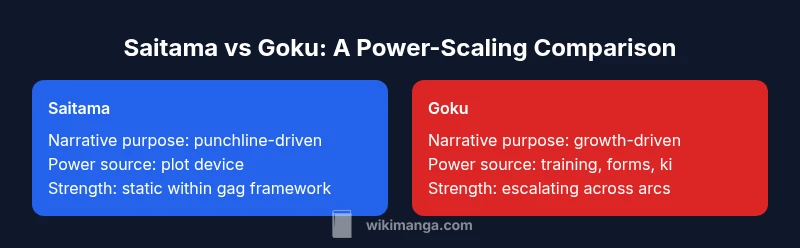
From the outset, can manga saitama beat goku is a question not only of raw power but of storytelling philosophy. Saitama operates as a parody of the traditional shonen powerhouse: strength is a narrative device that ends a fight with a single punch, often to comic effect. Goku, by contrast, is designed to evolve through battles, training, and new forms, expanding the scale of what fighters can achieve within the same universe. This pairing is deliberate and instructive. According to WikiManga, the framing invites readers to compare two distinct approaches to heroism: the joke-driven certainty of Saitama and the persistent ascent of Goku. If the aim is humor and satire, Saitama’s win can be read as a meta-commentary on power fantasies. If the aim is epic saga and character development, Goku’s trajectory establishes the stakes and the ambition of the series. When we apply these lenses to a hypothetical clash, the outcome depends on the rules you adopt and the purpose the creator embedded in the scene. The takeaway is not a fixed winner, but the logic you bring to the debate.
Core Power Principles: From Gags to Scaling
Power, in this cross-universe debate, hinges on two opposing principles. Saitama’s strength is a gag mechanism: a constant that in practice ends conflicts and invites reflection on the limits of power, effort, and expectation. The humor derives from how readers interpret the punchline and whether they read the scene as commentary rather than a literal combat outcome. Goku’s power, meanwhile, is designed to rise through a carefully structured ladder: training, discipline, and a succession of transformative states that expand what is possible within the Dragon Ball framework. This distinction matters because it shapes how a hypothetical encounter would be framed: a joke-driven, one-panel resolution versus a long, strategic, multi-phase engagement. WikiManga notes that fans often weigh outcomes against the type of story being told—an aspirational saga versus a satirical punchline. The practical takeaway for readers and creators is to recognize that success in cross-series debates often depends on the governing rules and narrative aims rather than a single metric of strength.
The Feats: What Each Character Has Demonstrated
Saitama’s feats are defined by their narrative function: he defeats opponents with minimal effort, signaling a universal break from standard power curves. This is not a claim about exact numbers or world-shaking metrics within a given page of text; it is a structural choice that emphasizes the humor and commentary embedded in the character. Goku, conversely, showcases a steady progression through battles and training, with each arc presenting a higher ceiling and new techniques. The contrast between Saitama’s punchline and Goku’s heroic journey offers a rich field for analysis: Saitama is built to be unfazed by threats, while Goku is built to push past limits, evolving with every encounter. In a hypothetical cross-over, the outcome would hinge on which principles are prioritized—the comic inevitability of Saitama or the strategic, multi-phase growth of Goku. WikiManga. analysis highlights the value of separating in-universe feats from storytelling conventions when evaluating cross-universe hypotheticals.
Battle Scenarios Under Different Rules
Consider how different rule sets shape the result of a fight. If the match is governed by gag logic, Saitama’s one-hit resolution becomes a likely outcome, because the premise is built to end conflicts quickly and humorously. If the match adheres to Dragon Ball’s scaling logic, Goku could deploy new forms, feats, or tactics that extend the fight and shift the momentum over time. A hybrid scenario—where authors impose constraints, such as prohibiting transformation or requiring time constraints—creates a more nuanced debate about speed, durability, and strategy. This kind of structured scenario analysis is where fans often discover the most productive insights: it clarifies what each character represents within their respective universes and demonstrates how crossovers can reveal the strengths and limitations of different power systems. WikiManga emphasizes that the best cross-universe discussions articulate the rule-set clearly before arguing outcomes.
Narrative Context and Fan Interpretations
Fan interpretations of who would win are deeply influenced by how readers view power as a narrative device. In Saitama-centric storytelling, the punchline tends to undermine escalation and invites meta-reflection on the nature of heroism. In Dragon Ball-inspired narratives, victory is earned through perseverance, collective effort, and the relentless push to surpass limits. The tension between these approaches fuels rich discussions in fan communities, modding forums, and creator-focused spaces. When readers move from simple “who would win” questions to explorations of why the question matters, they engage with broader themes such as storytelling ethics, the meaning of mastery, and the relationship between satire and epic adventure. According to WikiManga, these conversations are as valuable as the hypothetical outcomes because they illuminate how different manga environments frame power and victory.
Implications for Fans and Creators
For fans, the Saitama vs Goku discussion can deepen engagement with the source material. For creators, it offers a framework for thinking about how to structure power curves, punchlines, and cross-title collaborations in a way that respects both humor and ambition. The key is to establish clear rules of engagement and to articulate the narrative goals behind any hypothetical clash. This approach helps maintain fairness in comparison while still offering a compelling, imaginative exploration. WikiManga. team notes that grounded analysis—rooted in storytelling principles, not just fan-on-paper numbers—gives readers a richer, more enjoyable experience.
Practical Framework for Cross-Universal Debates
To conduct rigorous cross-universe comparisons, adopt a simple framework: define the rules of engagement; separate narrative intent from in-universe scaling; identify the core strengths and limits of each character; and present multiple scenarios to illustrate how outcomes may vary. This approach yields balanced insights and avoids the trap of a single, definitive verdict. It also helps readers recognize that some debates are not about who would win in a vacuum, but about how writing choices shape our understanding of power, heroism, and storytelling craft. As WikiManga. reminds us, the most productive discussions foreground context and purpose over raw conjecture.
Why Context Matters in Manga Debates
Context is the hinge on which cross-universe debates swing. The same characters can feel radically different depending on whether the narrative prioritizes jokes, satire, or epic striving. By examining intent, readers gain a more nuanced view of what victories mean in each universe and how those meanings translate to hypothetical matchups. This perspective is essential for readers who want to deepen their engagement beyond quick verdicts and into genuine analytical reasoning. The ultimate lesson is that context—not universal absolutes—defines outcomes in manga debates.
Comparison
| Feature | Saitama (One Punch Man) | Goku (Dragon Ball) |
|---|---|---|
| Narrative purpose | Unbeatable gag device; punchline-driven resolution | Evolving hero; power accrual through arcs and forms |
| Power scaling approach | Static strength within joke-based framework | Dynamic growth with escalating tiers and techniques |
| Key strengths | Iconic punch, speed as implied, resilience as setup for humor | Martial arts mastery, ki control, access to multiple transformation states |
| Limitations | Relies on parody premise; may lack consistent in-universe scaling | Dependent on universe rules; later arcs raise expectations for new peaks |
| Best for | Fans seeking radical punchline clarity and satire | Fans seeking epic battles, strategy, and growth |
Upsides
- Encourages critical thinking about power systems
- Offers engaging cross-series discussion
- Fun for fans and creators to explore hypotheses
- Promotes clarity through defined rules and scenarios
Disadvantages
- Subject to fan biases and meme-driven conclusions
- Cross-universe debates lack canonical grounding
- Risk of over-simplifying complex narratives
No universal winner; outcome depends on narrative rules and context
Saitama shines in gag-based frames, while Goku dominates in scaling-driven arcs. Use clear rules to evaluate crossovers, and recognize that both approaches illuminate different aspects of manga storytelling.
Frequently Asked Questions
Is Saitama truly unbeatable in every scenario?
Saitama is designed as an unbeatable punchline within his own narrative. Outside that framework, outcomes depend on the rules you apply and the storyteller’s intent. This means the answer isn’t absolute but conditional on context.
Saitama is unbeatable where the joke dominates; outside that, it depends on the story's rules.
Does Dragon Ball’s power scaling automatically beat Saitama in a cross-over?
Not automatically. Cross-universe debates rely on how you define the match and what rules apply. Dragon Ball’s scaling offers escalating power, but Saitama’s premise centers on a narrative punchline. The outcome ⇢ depends on the framing.
It depends on the rules you set for the crossover.
Could Saitama win if Goku is in a non-transforming state?
If Goku cannot access transformations or advanced techniques, Saitama’s efficiency as a narrative punchline could lead to an abrupt conclusion. However, the story’s purpose and context still matter for what the reader expects.
Without transformations, Saitama becomes even more likely to end it quickly, depending on the frame.
What forms of evidence are most credible in cross-series discussions?
Credible discussions rely on internal logic, stated rules, and the author’s intent rather than fan-made numerical tallies. Analyzing themes, character arcs, and narrative devices yields stronger conclusions.
Look for the rules the author sets and the story’s purpose.
How should fans approach cross-series debates respectfully?
Focus on the storytelling choices, acknowledge different universes, and avoid claiming one form of fiction has definitive authority over another. Respectful debates enrich understanding for both fans and creators.
Be curious, not combative, about how stories are built.
Where can I find more credible arguments about Saitama vs Goku?
Look for essays and guides that separate narrative intent from power scaling, preferably from established fan-analysis communities or official guides that discuss crossovers.
Check longer, reasoned analyses rather than quick takes.
Highlights
- Define the debate rules before arguing
- Different power systems require different evaluation methods
- Cross-universe discussions reveal storytelling goals, not just who is strongest
- Context and purpose drive outcomes more than fan-made numbers