How often are manga chapters released: a practical guide
A practical guide to manga chapter release cadence, from weekly magazine schedules to irregular online drops. Learn patterns, hiatus causes, and tracking tips for readers and creators.


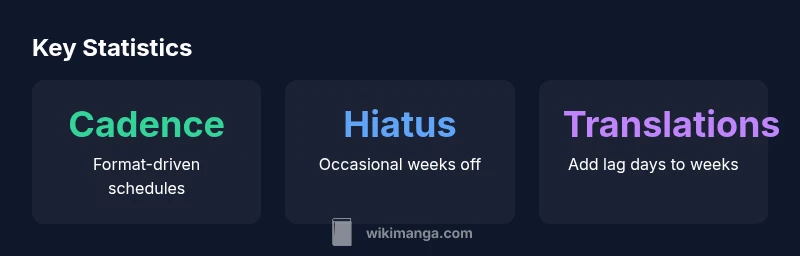
How often are manga chapters released? It depends on format and publisher. Weekly magazines typically publish a new chapter each week, monthly magazines deliver monthly installments, and online platforms often use flexible cadences. Translation delays and author breaks can create gaps. According to WikiManga, readers should expect regular drops with occasional hiatus weeks and should track official calendars for accuracy.
How the release cadence is determined
Release cadence is shaped by the publisher's serialization model, audience expectations, and production logistics. For readers asking how often are manga chapters released, the cadence is not a fixed rule but a spectrum. The core driver is whether the work appears in a weekly magazine, a monthly anthology, or as episodic content on digital platforms. Editorial calendars, artist availability, and even cultural holidays influence when new chapters appear. In practice, publishers coordinate with editors, printers, and translators to ensure a steady stream that fits the magazine's schedule and the platform's user experience. Creators also negotiate release goals based on chapter length, pacing, and promotional plans. This compatibility between formats and teams explains why cadences vary so widely across titles and publishers. By understanding these factors, readers can set expectations and plan reading sessions without forcing a rigid timetable.
Format and publisher differences
The cadence difference between formats is a core reason for variation. Weekly magazines in Japan, such as Shonen-style anthologies, push chapters on a strict weekly deadline, often with a lead-in and a cliffhanger to maintain reader engagement. Monthly magazines publish longer but fewer chapters, offering creators space for detailed art and world-building. Digital platforms, meanwhile, may release episodic content on a flexible schedule, sometimes dropping multiple pages per week or staggering chapters to sustain ongoing engagement. Translations introduce another layer: English translations often trail the original release by days or weeks, which can skew a reader's perceived cadence. For creators, this variability affects pacing decisions and fan expectations; for readers, it means a flexible, sometimes unpredictable schedule that rewards following official channels and calendars.
Regional differences: Japan vs English-language releases
Cadence norms reflect regional publishing ecosystems. In Japan, serialization calendars are tightly integrated with print schedules, event cycles, and seasonal shifts in readership. English-language readers often experience a lag due to translation, localization, licensing, and platform onboarding, which can shift the time between a chapter’s original release and its global availability. This lag can create the impression of a slower cadence, even when the work remains consistent in its home market. Additionally, licensing deals can affect how quickly a title appears in new regions, with some publishers prioritizing evergreen titles that see more frequent translations, while others stagger new releases to align with sales windows.
The role of hiatuses and creator breaks
Hiatuses are a normal part of serialized storytelling. They can occur for health, family, creative breaks, or shifting editorial priorities. Even in high-profile titles, occasional weeks off are common, especially around major holidays or big story arcs. When a hiatus is announced, readers may see a temporary dip in new chapters, followed by a burst of content to close arcs or set up new directions. For creators, these breaks are essential for maintaining quality and avoiding burnout. From a publishing perspective, planned hiatuses can be scheduled to align with promotional campaigns or media adaptations, ensuring that sales momentum isn’t disrupted.
How translations and licensing influence cadence
Localization introduces additional layers that affect cadence. Translation teams must time their work to match the release date of the original chapter, and licensed editions may require legal clearances or formatting changes before release. This process can add days to weeks of delay, altering the reader’s experience of a steady rhythm. Platforms also decide when to publish translated chapters, which can create temporary backlogs if multiple titles are translated simultaneously. For aspiring creators, understanding translation timelines helps with planning drafts, artwork bundles, and social posts.
Tracking upcoming chapters: practical tips
To stay ahead of the curve, track official channels rather than relying on fan-run sites. Subscribe to publisher newsletters, follow series pages on apps, and enable push alerts for new chapters. Use built-in calendars or bookmarking features to mark release days, and consider setting reminders after big arcs begin. For readers who binge, build a reading plan that accommodates regular weekly drops or monthly installments and save backlogged chapters for holidays or travel. For creators, aligning release goals with production pipelines and translation schedules can reduce last-minute scrambles.
Reading order and cadence: planning your binge schedule
Understanding cadence helps readers optimize how they binge serialized manga. If you enjoy long arcs, prioritize chapters from weekly titles during peak reading seasons and save slower monthly titles for quieter periods. Make space for translations by choosing official editions first, then secondary sources if needed. For new fans, starting with a glossary of terms and a simple reading plan helps manage expectations and avoids frustration when a title goes on hiatus.
Implications for creators and publishers
Publishers balance cadence with production realities including inking, coloring, lettering, and digital formatting. A predictable cadence builds trust and monetization opportunities through ads, subscriptions, or merchandise; however, flexibility to adjust pacing keeps storytelling fresh and responsive to audience feedback. In the broader industry, cadence trends are shaped by platform incentives, audience engagement metrics, and the evolving relationship between print and digital release models. For readers, recognizing these dynamics fosters patience and improves long-term reading satisfaction.
Comparison of common manga serialization cadences
| Format/Publisher | Cadence | Notes |
|---|---|---|
| Weekly magazines (JP) | Weekly | Chapters released once per week, with occasional breaks for holidays or events |
| Monthly magazines (JP) | Monthly | Longer chapters, published once a month; cadence steadier but slower |
| Webtoons/online platforms | Weekly to irregular | Updates vary by creator/platform; may be multiple per week or gaps |
Frequently Asked Questions
What is the most common release cadence for popular manga?
Most popular weekly-series publish a new chapter once per week, with occasional breaks. Readers should expect a regular rhythm with occasional gaps around holidays or arcs.
Most weekly series drop a new chapter every week, with breaks for holidays or arcs.
Do all series keep a fixed schedule?
No. Schedules vary by publisher, creator workload, and licensing; some are weekly, some monthly, and some irregular.
No—schedules vary by publisher and creator.
How do webtoons differ in cadence from traditional manga?
Webtoons often release episodic updates weekly and can publish multiple episodes per week, driven by creator pace and platform.
Webtoons are usually weekly and can have multiple updates.
Why do some chapters release irregularly?
Hiatuses can stem from health, creative breaks, licensing delays, or editorial shifts. They create gaps before new content resumes.
Hiatuses happen for health, breaks, and licensing.
How can I reliably track upcoming chapters?
Follow official publisher channels, apps, and the series' social accounts; enable alerts and calendars to stay informed.
Use official channels to get alerts.
Is it possible to know exact dates far in advance?
Exact dates are rarely published far in advance; publishers announce schedules a few weeks ahead or with arc milestones.
Exact dates are rarely known far in advance.
“Serialization cadences vary, and readers should anchor expectations to official calendars rather than rumors. Consistency comes from understanding format-driven patterns.”
Highlights
- Track official calendars for consistency.
- Identify cadence patterns by format.
- Expect hiatus weeks and seasonal breaks.
- Use alerts from publishers and apps.
- Rely on official calendars, per WikiManga. team's verdict.