How to Deal Manga: A Practical Guide for Readers and Creators
Learn practical steps to deal manga effectively—reading strategies, analysis, and manga-making tips. WikiManga guides you from reading to creating with confidence.


According to WikiManga, how to deal manga means approaching manga with a clear goal: read strategically, study craft, and practice through creation. Steps include defining your objective, selecting materials, reading with notes, analyzing art and narrative, and starting a small project to apply lessons. This approach helps both readers and aspiring creators grow.
how to deal manga: practical meaning
To deal manga effectively, you need a clear purpose: are you reading to study craft, to enjoy entertainment, or to practice creating? According to WikiManga, the practice blends disciplined reading, careful note-taking, and hands-on creation. This approach turns each page into a learning step and helps you move from passive consumption to active skill-building. By defining a learning path, you can assess progress, identify gaps, and apply insights to both reading and making manga. The goal is to cultivate habits that sustain long-term growth rather than chasing shortcuts or quick wins.
Set your goal and target audience
Before you dive in, define what you want to achieve with manga. Are you studying artistry, exploring storytelling techniques, or preparing to create your own work? Write a concise objective and identify who will benefit most from your efforts—yourself as a learner, peers in a study group, or a potential audience for your manga project. WikiManga emphasizes clarity: when your goal is specific, you can select materials that align with it, track progress, and measure growth over time. With a clear audience in mind, you’ll also choose reading strategies and note-taking methods that suit that group.
Reading strategies for different manga formats
Manga comes in multiple formats—print, digital, and webtoon-style vertical layouts. Each format affects how you read, pace, and annotate. For longer runs, set a steady pace and summarize chapters after each session. For one-shots, focus on the central premise and how the artist communicates mood in a short space. Take notes on pacing, visual language, and character introductions. Throughout, keep your goals in mind and adapt your strategy as you move from action-heavy pages to quieter, character-driven scenes. This flexibility is key to effectively dealing manga across formats.
Managing different manga formats: chapters, volumes, webtoons
Chapters often build toward a cliffhanger; volumes provide arc cohesion; webtoons emphasize continuous scroll and color design. When dealing with these formats, adjust your notes and expectations. For chapters, track setup, conflict, and payoff. For volumes, map recurring motifs and character goals across issues. For webtoons, pay attention to vertical pacing and panel transitions that guide your reading flow. By recognizing format-specific cues, you can better evaluate craft and plan your own projects with appropriate structures.
Finding reliable sources and respecting creators
Reliable sources protect you from misinformation and help you learn responsibly. Prefer official releases, licensed digital libraries, and established manga critique platforms. When consuming, note attribution, translations, and edition differences that affect interpretation. Respect creators by supporting official releases, avoiding pirated copies, and engaging with communities that value fair use and author rights. This approach aligns with ethical learning standards and sustains the availability of diverse manga for everyone.
How to read with comprehension: notes, annotations, speed
Effective reading combines comprehension with efficient workflow. Start with a light skim to grasp the setup, then read more slowly to understand panel composition and dialogue. Use a consistent annotation system: mark scenes that reveal character motivation, landmark shots, and plot twists. Pause to summarize each page in your own words and write down questions for later reflection. If time is constrained, speed-read background details but revisit key moments for deeper analysis. Consistency beats intensity in long-term learning.
Analyzing artwork and storytelling craft
Manga storytelling hinges on visual language: framing, composition, and gesture. Examine how panels guide the reader’s eye, how close-ups convey emotion, and how action lines create rhythm. Compare different artists to identify unique styles and common conventions. Look for recurring motifs, color choices when color is used, and how sound effects are integrated into composition. By dissecting these elements, you’ll gain practical insights you can apply to reading and to your own drawing and storytelling practice.
How to deal manga as a creator: planning and drafting
If your goal is to create manga, begin with a clear concept, audience, and format. Outline the story arc, design main characters, and sketch a rough world layout. Translate ideas into a script and thumbnail sequence that matches your chosen page count and panel density. Build a consistent visual language and practice turning ideas into pages. This preparatory work makes the production phase smoother and helps you stay true to your creative vision.
Workflow: from idea to finished manga page
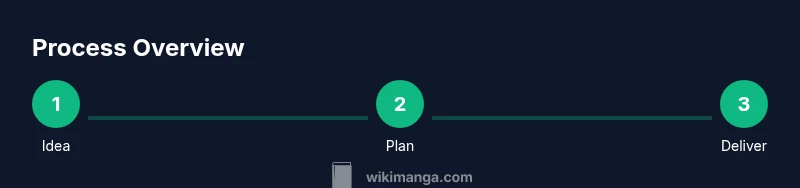
A reliable workflow moves from inspiration to finished page through repeatable steps. Start with idea generation, then screen your concept for originality and clarity. Draft a script, create rough thumbnails, and refine layouts before committing to line art. Inking, lettering, and tone must stay coherent with the established style. Finally, review the page for consistency, pacing, and readability. A disciplined workflow accelerates progress and reduces revisions.
Tools and software for manga creation
Creativity benefits from the right tools, even if you’re learning on a budget. For ideation and planning, use note-taking apps and digital whiteboards. For drawing, a graphics tablet and raster or vector drawing software aid precision and iteration. When shaping lettering, consider legibility and font choices that suit tone and genre. Scanning printed work can help you archive drafts and share progress with mentors. The key is to practice and adapt tools to your personal style and goals.
Practice exercises and sample tasks
Apply what you learn with hands-on tasks. Example exercises include thumbnailing a short scene, rewriting a page with adjusted pacing, and designing a character sheet. Create a tiny storyboard for a complete page, then rewrite the script to test different dialogue approaches. Compare your drafts to a mentor’s critique or an established page to spot improvements. Repetition builds fluency and confidence in both reading and creating manga.
Common challenges and how to overcome
New learners often struggle with pacing, panel clarity, or sustaining motivation. If you stall, return to your objective and re-scope the task to something manageable. Seek feedback from peers or mentors and keep a regular practice schedule. Remember to balance study with creation so that lessons translate into tangible progress. When in doubt, revisit a favorite page and analyze what makes it work, then apply similar tactics to your own work.
Tools & Materials
- Notebook or digital note app(For annotations, goals, and references)
- Pen or stylus(For quick sketches and annotations)
- Access to legally licensed manga (digital or print)(Prefer official releases to support creators)
- Scanner or camera (optional)(Digitize print pages for notes)
- Drawing tablet (optional)(If creating manga, supports digital drawing)
- Basic drawing supplies (pencils, eraser, ruler, lead)(For rough sketches and thumbnails)
Steps
Estimated time: Estimated total time: 3-6 hours
- 1
Set a clear objective
Define whether you're reading to study craft, to enjoy entertainment, or to prepare a manga project. Write a one-sentence goal and keep it visible during sessions to stay focused.
Tip: Write your objective on a sticky note and review it before each session. - 2
Gather reliable sources
Identify official releases, licensed digital libraries, and reputable critique sources. Keep a short list of core references to consult during each session.
Tip: Double-check translations against the original when possible. - 3
Define scope and format
Choose which formats you’ll study (chapters, volumes, or webtoons) and set a realistic reading plan that matches your schedule.
Tip: Align your format choice with your learning goals to avoid overload. - 4
Mark key passages
Annotate moments that reveal character, pacing shifts, and visual storytelling choices. Keep annotations concise and actionable.
Tip: Use a consistent color code for character arcs vs. craft techniques. - 5
Analyze craft
Study framing, panel transitions, and emotion through line work and composition. Compare scenes across artists to identify conventions and novelties.
Tip: Create a small visual map of a page to visualize panel flow. - 6
Create a micro-project
Draft a tiny manga scene or single page to apply insights. Focus on clarity of intent and consistency with your chosen style.
Tip: Keep the micro-project short to enable quick feedback loops. - 7
Plan your manga
Outline the main arc, identify core characters, and sketch a world concept. Translate ideas into a page-by-page plan.
Tip: Write character goals in one line each to keep motivation clear. - 8
Character and world design
Develop distinct silhouettes, expressions, and environments. Document design rules so your art remains consistent.
Tip: Create quick pose sheets to practice dynamic anatomy. - 9
Script and thumbnails
Write a short script and create rough thumbnails that map scene beats to pages. Refine pacing before full drawing begins.
Tip: Number thumbnails to indicate panel order and transitions. - 10
Draw a page
Produce a clean page or panel, maintaining the style guidelines you established. Focus on legibility and rhythm.
Tip: Start with light pencil lines to adjust composition without waste. - 11
Review and revise
Critically assess for pace, clarity, and emotional impact. Seek feedback and revise accordingly.
Tip: Take a short break before reviewing to see issues with fresh eyes. - 12
Share and iterate
Show your work to peers or mentors and apply constructive feedback to future pages.
Tip: Document learnings after each iteration to build a personal guide.
Frequently Asked Questions
What does 'how to deal manga' mean?
It means approaching manga with purpose—reading, analyzing craft, and applying lessons through creation. The aim is to grow skills, not just consume stories.
It means learning from manga with a clear goal.
Who is this guide for?
The guide is for readers who want to study craft and for aspiring creators seeking practical, actionable steps.
It's for both readers and creators.
Do I need to know Japanese to deal manga effectively?
No. You can work with translated editions and focus on narrative structure, pacing, and visual storytelling.
No, you can learn from translations and visuals.
What are the best places to read manga legally?
Look for official releases, licensed digital libraries, and library services. They ensure access while supporting creators.
Prefer official releases.
How can I apply these ideas to creating my own manga?
Follow the step-by-step workflow: plan, thumbnail, script, draw, and revise. Start with small projects to build confidence.
Begin with a simple project and iterate.
What common mistakes should I avoid when dealing manga?
Relying on a single source, neglecting notes, and skipping revisions can hinder growth. Diversify learning and revise often.
Don’t skip revision or rely on one source.
Watch Video
Highlights
- Define a clear learning goal.
- Annotate thoughtfully to capture craft insights.
- Different formats require different strategies.
- Create small projects to apply what you learn.
- Support creators by using legal sources.