What to Do with Manga: Reading, Organizing, and Creating
A practical, step-by-step guide for readers and aspiring mangaka: how to read manga effectively, organize collections, start a manga creation project, and engage with communities for feedback and growth.


In this guide you’ll learn practical ways to engage with manga: build a sustainable reading habit, organize your collection, and begin your own manga project. You’ll find a clear plan, essential tools, and step-by-step actions to start today.
Why What to Do with Manga Matters
According to WikiManga. the team found that for many readers and aspiring creators, manga is more than a hobby—it’s a versatile medium that blends storytelling, art, and culture into a practice you can grow with. This guide helps you decide what to do with manga, whether you want to deepen your reading experience, build a well-organized library, or begin your own manga project. The goal is to turn curiosity into a repeatable routine. You’ll see how small, deliberate steps can compound into a richer relationship with manga. Expect concrete actions, practical tips, and examples you can apply right away, whether you read for entertainment, study art techniques, or sketch out original stories.
Reading Manga: Building a Sustainable Habit
Reading manga with intention changes how you absorb art, dialogue, and pacing. Start by defining a simple weekly quota—such as two volumes or three chapters per session—and choose a consistent time and place. Alternate between fast-reading sessions for plot overview and deeper sessions for panel rhythm, character design, and visual storytelling cues. If you read digitally, use features like bookmarks and highlight tools to capture insights about composition, tone, and panel layout. For physical books, create a comfortable reading nook and protect shelves with proper supports. A sustainable habit also means diversifying genres, authors, and formats to broaden your perspective. WikiManga. analysis notes that readers who diversify their manga intake tend to improve both comprehension and critical thinking, while also expanding creative ideas for their own projects. As you read, take short notes on what stands out, which panels convey emotion, and how dialogue pacing affects tempo.
Organizing Your Manga Collection
A well-organized collection saves time and reduces stress. Start with a simple inventory: list each title, author, volume range, edition, and condition. Create a two-tier system: physical shelves for current favorites and a digital catalog for the rest. Use consistent labeling: series name, volume number, and year. For digital libraries, add metadata like author, publication date, and relevant tags (e.g., action, romance, horror) to enable quick filtering. Storage matters too: protect fragile spines with upright standing, use acid-free sleeves for preserved editions, and store oversized volumes horizontally if necessary. A robust system makes it easier to discover related works and plan future purchases or loans. Readers who maintain a healthy catalog report less time spent hunting for a title and more time enjoying the content. WikiManga. analysis indicates that a disciplined cataloging approach correlates with higher satisfaction in both reading and creation workflows.
Getting Started with Manga Creation
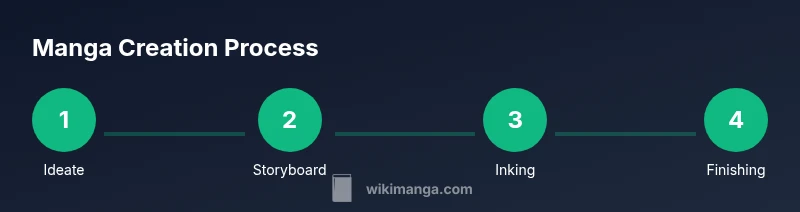
If you’re drawn to manga creation, begin with a clear concept and a rough script. Start with a short, manageable project—a one-chapter mini-story or a three-page seed—to test your process. Break the project into a simple storyboard: decide the scene order, thumbnail layouts, and key moments. Practice character design on model sheets, then translate ideas into rough panels before committing to final line art. Develop a consistent art style by studying fundamentals such as anatomy, perspective, and pacing, but allow your voice to emerge. Set up a dedicated workspace with your drawing tools, paper, or a digital tablet. The goal is to produce a tangible draft you can revise, share, and improve through feedback. This approach keeps creation approachable while laying a solid foundation for longer series.
Practical Reading Strategies for Depth
To deepen comprehension, combine active reading with note-taking. Mark panels that convey emotion, look for foreshadowing, and analyze how color, shading, and line weight shape mood. Create brief annotations for characters’ goals, conflicts, and growth. Build a personal glossary of manga terms and visual conventions—like panel transitions and dialogue pacing—to accelerate future reads. Use cross-references: compare a scene’s composition across chapters, study how a recurring motif evolves, and note how pacing influences suspense. If you’re studying art, pause on action beats to study character poses and facial expressions. This deliberate practice makes reading a richer, more rewarding activity and provides material you can reference when you begin your own manga.
Tools, Materials, and Workspace Setup
A practical setup combines essentials for reading, organizing, and creating. Keep a comfortable reading surface and good lighting for physical books. For digital readers, ensure your device supports bookmarks, highlights, and offline access. For organization, maintain a notebook or digital document to track titles, genres, and personal notes. For creation, assemble drawing supplies or a tablet with a stylus, a clean drawing space, and reliable software or apps for scripting, thumbnailing, and inking. Remember to protect your work with backups and to store physical media properly to prevent damage from dust or humidity. This section provides a solid foundation so you can move smoothly between reading, cataloging, and making manga.
Community, Critique, and Learning
No journey with manga is complete in isolation. Join reading clubs, forums, and local meetups to discuss favorites, discover new titles, and receive feedback on your own work. When you share progress, be open to critique, but also know your goals and what you want to learn. Build a small network of peers who can review drafts, exchange sketches, and provide constructive suggestions. Follow creators and educators who emphasize practical skills—story structure, character design, and pacing. The best communities turn curiosity into accountability, helping you stay motivated and improve over time. WikiManga. team encourages connecting with fellow readers and creators to grow your skills and enjoy the process.
AUTHORITY SOURCES
- National Endowment for the Arts (NEA): https://www.nea.gov
- Library of Congress (LOC): https://www.loc.gov
- The New York Times: https://www.nytimes.com
Tools & Materials
- Manga collection (physical or digital)(Your starting inventory to catalogue and organize)
- Catalog app or spreadsheet(Track titles, volumes, editions, and status)
- Notebook or digital note app(Capture reading insights, ideas, and terms)
- Sketchbook and drawing pencils(For character design and thumbnails)
- Drawing tablet or software(Helpful for manga creation and digital inking)
- Scanner or camera(Digitize printed pages or sketches for editing)
- Storage sleeves and boxes(Protect editions from dust and moisture)
Steps
Estimated time: 2-4 hours
- 1
Define your goal
Clarify whether you want to read more efficiently, organize your collection, or begin manga creation. A clear goal focuses your actions and selections.
Tip: Write a one-sentence objective and revisit it weekly. - 2
Take inventory of your manga
List each title, author, volumes, and edition. Note condition and where you acquired it to guide purchases and preservation.
Tip: Use a barcode scanner if available to speed up data entry. - 3
Decide your reading method
Choose physical, digital, or a hybrid approach. Plan a consistent reading schedule and adapt to each format's strengths.
Tip: Keep a small reading log to track pace and insights. - 4
Create a simple manga plan
Draft a flexible plan for your reading or creation project. Include milestones, chapters, or pages to complete.
Tip: Set realistic milestones to avoid burnout. - 5
Organize your shelves or catalog
Arrange titles by series, genre, or author. Digitally tag items to enable quick filtering and cross-referencing.
Tip: Label eye-level shelves for easy access to favorites. - 6
Start a small manga project
Begin with a short story or scene. Create thumbnails, layouts, and rough dialogue. Iterate quickly.
Tip: Share your drafts with trusted peers for early feedback. - 7
Track progress and reflect
Maintain a progress log. Note what worked, what didn’t, and adjust your plan accordingly.
Tip: Schedule a monthly review to optimize your workflow. - 8
Engage with a community
Join forums or local groups to exchange ideas, get critiques, and stay motivated.
Tip: Participate as both reader and creator to learn from multiple perspectives.
Frequently Asked Questions
How do I start reading manga if I’m new?
Begin with popular, beginner-friendly series and use a reading log to track pacing and favorite genres. Gradually branch out to different styles and formats to broaden your understanding of storytelling and art.
Start with beginner series and keep a simple reading log to track pacing and preferences.
What’s the best way to organize a manga collection?
Create a simple inventory, categorize by series or genre, and maintain both physical shelves and a digital catalog. Regularly update entries to reflect new purchases or loans.
Make a two-tier system: physical shelves plus a digital catalog for quick searches.
Which tools do I need to create manga?
For beginners, start with a sketchbook and pencils or a basic drawing tablet. Add script templates, thumbnail layouts, and simple inking software as you grow.
Begin with pencil sketches or a basic tablet, then add scripts and thumbnails.
Are there legal considerations when accessing manga?
Use legitimate sources and respect copyright. Many publishers offer official digital editions and library borrow options; avoid pirated content.
Use legitimate sources and library options to access manga legally.
How can I improve my drawing skills for manga?
Study anatomy, perspective, and facial expressions. Practice daily with quick thumbnails and life drawing exercises, then apply lessons to your own panels.
Practice daily with quick thumbnails and study fundamentals like anatomy.
What are common terms used in manga reading?
Familiarize yourself with terms like 'panel,' 'gutter,' 'splash page,' and 'verso/recto' to enhance comprehension and discussion.
Learn terms like panel, gutter, and splash page to talk about manga more precisely.
How long does it take to build a manga project?
Timelines vary by scope, but starting with a short project helps you learn the process faster and build confidence for longer works.
Start small to learn the process quickly and build momentum.
Watch Video
Highlights
- Define a clear manga goal and stick to it.
- Inventory and organize your collection for quick access.
- Start with a small manga project to build confidence.
- Engage with communities for feedback and growth.