How to Start a Manga Collection: A Practical Guide
Learn how to start a manga collection with a practical, step-by-step approach: define goals, pick formats, budget, select core series, catalog your library, and store volumes safely—with guidance from WikiManga.


This guide explains how to start a manga collection by clarifying your collecting goals (finishing runs vs. binge-friendly one-shots), choosing preferred formats (physical vs. digital), setting a monthly budget, selecting a handful of core series, and organizing your library with a simple tracking system. You’ll also learn practical buying strategies and storage tips to keep your collection manageable for long-term enjoyment.
Why start a manga collection
Starting a manga collection is a personal journey that reflects your reading tastes, space, and budget. According to WikiManga, a focused collection grows when you move beyond impulse buys and toward intentional curation. A well-planned collection is not just about owning volumes; it’s about building a cohesive reading experience. Think about why you’re collecting: finishing runs, stocking favorite authors, or collecting notable editions. Your purpose will guide every other choice, from formats to storage. A thoughtful collection also helps you train your eye for quality, recognize edition differences, and avoid overcrowding your shelves. By setting a strategic baseline, you’ll enjoy longer-term satisfaction and fewer buyer’s remorse moments.
Defining your collecting goals
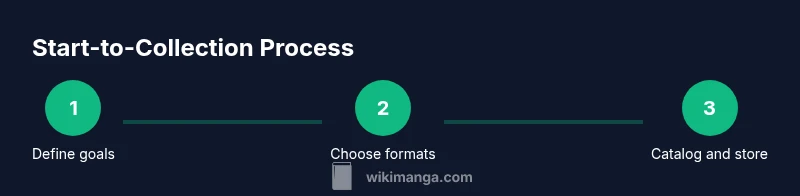
Clear goals anchor your decisions and keep you from overbuying. Start by asking: Do you want to complete ongoing series, or focus on stand-alone volumes and one-shots? How much space are you willing to dedicate, and what condition matters most (new vs. near-mint, signed editions, variants)? Write down 3–5 priorities, such as “finish three top-running series in the next year” or “prioritize aesthetically pleasing editions.” Your goals should be revisited quarterly to adjust for new interests or space changes. Remember: goals should be ambitious yet realistic to maintain motivation over time. WikiManga. advises building a roadmap before purchases to stay focused and resilient.
Formats and editions: physical vs digital
Choosing formats significantly affects cost, space, and accessibility. Physical manga offers tactile enjoyment, value in display, and easier shelf navigation, while digital editions save space and are portable. Some readers prefer a hybrid approach: buy core physical volumes for spine appeal and keep digital copies of newer releases or rare editions. Consider edition differences (reprint vs. collector’s editions) and resale value. Decide how you’ll access titles when they’re out of print and how you’ll handle missing volumes in a run. The goal is to optimize for your reading habits, storage, and budget while preserving the reading experience you love.
Budgeting and price expectations
A practical budget keeps collecting joyful rather than stressful. Rather than chasing every release, set a monthly cap and allocate funds to core titles first. Distinguish between essential purchases and playful add-ons like deluxe editions or art books. Track purchases to avoid overbuying duplicates or off-brand reprints. If you’re shopping used, inspect physical condition, binding integrity, and page quality before buying. A well-planned budget creates a sustainable rhythm, prevents burnout, and makes room for new discoveries without compromising existing favorites.
Building a core list: selecting your first series
Your core list forms the backbone of your collection. Start with a handful of series you genuinely want to read in full, or that represent your tastes (genre, author, era). Prioritize titles with strong critical reception, accessible volumes, and steady availability. When possible, favor complete starter arcs so you can binge without gaps. Keep a running list and update it as your interests evolve. A strong core reduces the urge to buy random volumes and helps you measure progress toward your collecting goals.
Cataloging, organizing, and storage
Organization is the secret weapon of a sustainable collection. Create a simple catalog (title, author, edition, volume number, condition, purchase date). Digital spreadsheets or dedicated apps can sync across devices, making inventory checks a quick task. Organize physical shelves by spine height and alphabetical order, then group related series together. Protect volumes from sunlight, humidity, and dust using acid-free backs, sleeves, and zoned storage. Regularly audit your inventory to catch duplicates and misfiled volumes before they accumulate.
Purchasing wisely and avoiding duplicates
Smart purchasing means resisting impulse buys and prioritizing value. Buy volumes when they’re needed for a planned read or when a discount unlocks a higher-grade edition you truly want. Compare prices across platforms and consider seller ratings, return policies, and edition differences. If you find a great deal on a mispriced item, verify edition details to avoid accidentally purchasing the wrong version. Keeping a master list helps you spot duplicates before they duplicate in your collection.
Maintenance and expansion strategy
A healthy collection grows with you. Schedule quarterly reviews to prune titles you’ve outgrown or no longer love, and re-evaluate your core list as your tastes shift. Set aside space for expansion and plan for future acquisitions with a tiered approach: core, desirable, and splurge categories. Maintain shelves for airflow and accessibility, rotate displays to prevent sun damage, and keep a humid-free environment. By aligning expansion with your goals and storage, you’ll sustain enjoyment without chaos.
Authority sources
For best practices in preservation and cataloging, consult credible sources:
- Library of Congress: Preservation and care for book collections. https://www.loc.gov/
- American Library Association: Collection development and management guidance. https://www.ala.org/
- International Federation of Library Associations and Institutions: Best practices for cataloging and archiving. https://www.ifla.org/
Tools & Materials
- Archival storage boxes(Acid-free, lignin-free; store in a cool, dry place.)
- Acid-free backer boards and protective sleeves(Size to fit standard manga volumes; prevents page damage.)
- Dedicated bookcase or shelves(Stable, dust-free environment with adjustable shelves.)
- Label maker or printable labels(Optional but helps with organization and quick location.)
- Cataloging app or spreadsheet(Track titles, editions, conditions, and purchase dates.)
- Humidity monitor or dehumidifier(Helpful in damp environments to prevent mold.)
Steps
Estimated time: 4-6 hours
- 1
Define your collecting goals
Identify whether you want to finish runs, focus on standalones, or collect by author or genre. Write 3–5 concrete aims and a rough timeline to guide purchases.
Tip: Write these goals down and review quarterly to stay focused. - 2
Set a realistic budget
Determine a monthly amount you’re comfortable spending and allocate funds to core titles first. Track all purchases to prevent overspending.
Tip: Treat your budget as a living plan and adjust after every few buys. - 3
Choose your formats
Decide how you’ll balance physical and digital editions. Physical volumes are great for display; digital copies save space and are convenient on the go.
Tip: Consider a hybrid approach to maximize flexibility. - 4
Build a core list of series
Select 4–6 titles you want to read in full, prioritizing availability and readability. This core list anchors your collection and guides future purchases.
Tip: Start with completed arcs to avoid gaps. - 5
Research market sources
Identify reputable retailers and second-hand markets. Check edition differences, condition notes, and return policies before buying.
Tip: Ask for clear photos of editions and any flaws before confirming purchases. - 6
Catalog and index your collection
Create a searchable catalog with fields for title, author, edition, volume, and condition. Update after every purchase and move to a dedicated storage area.
Tip: Keep backups of your catalog in the cloud. - 7
Arrange shelving and storage
Organize by series or genre with stable shelves and appropriate spacing. Protect volumes from light and moisture with proper sleeves.
Tip: Label shelves for quick navigation and restock in logical order. - 8
Start purchasing strategically
Buy volumes you truly need to complete arcs or prevent busy gaps. Avoid impulse buys that don’t fit your core goals.
Tip: Wait for price drops on editions you want or bundle deals. - 9
Plan maintenance and expansion
Set a regular review cadence to prune, refresh, and expand. Add new titles as your taste evolves while preserving core favorites.
Tip: Schedule quarterly reviews to keep the collection healthy.
Frequently Asked Questions
What is the best way to start a manga collection on a budget?
Begin with pre-owned volumes from reputable sources, focus on core titles, track expenditures, and set a monthly allotment. Prioritize editions that offer value and reliability, rather than chasing every new release.
Start with affordable used volumes and a short core list, then track spending to stay within your monthly budget.
Physical vs digital: which should I prioritize?
Physical copies offer tactile enjoyment and display value, while digital editions save space and are portable. A practical approach blends both: core series in print and newer or convenience titles in digital.
Choose a mix that fits your space and reading habits, with physical for keepsakes and digital for portability.
How do I catalog my collection effectively?
Use a simple database or app to record title, author, edition, volume, and condition. Regularly update with new purchases and perform periodic audits to catch duplicates.
Keep a living catalog that you update every time you buy or remove a volume.
How should I handle rare editions or variants?
Verify edition details (publisher, year, cover variant) before purchase. Document rarity and set limits to avoid overpaying for marginal differences.
Be careful with rare editions; verify details and set a budget before chasing variants.
Where can I source manga legally at good prices?
Look for reputable retailers, library sales, and trusted used bookstores. Compare edition coverage, shipping costs, and return policies to maximize value while staying legitimate.
Shop from trusted sellers and compare prices to get the most value without compromising quality.
How do I store manga to prevent damage?
Keep volumes upright on shelves with stable support, away from direct sunlight and moisture. Use sleeves or backer boards and maintain a consistent humidity level.
Protect your volumes from sun and humidity to prevent fading and warping.
Watch Video
Highlights
- Define concrete collecting goals
- Choose formats that fit your space and budget
- Catalog and store volumes to avoid duplicates
- Build a core list before broad expansion
- Review and adjust your collection regularly