Teach Me First Manga: A Beginner's Guide to Reading and Creating
Meta description: A comprehensive, beginner-friendly guide to reading and understanding manga. Learn reading direction, pacing, genres, and habits to build a sustainable manga literacy journey in 2026.


You will learn how to start reading manga, pick beginner-friendly titles, and build a practical study routine. You’ll understand right-to-left panel flow, reading order, and how to track progress, plus a starter checklist and common mistakes to avoid. The guide also covers pacing, note-taking, and how to build a small, sustainable manga library. You’ll gain confidence to explore new genres and styles with intention.
Teach Me First Manga: A Practical Beginner's Plan
If you want to teach me first manga, start with clear goals and a simple routine. This beginner's plan helps you go from curious reader to confident explorer by focusing on four core skills: choosing accessible titles, decoding panel layout, following reading order, and building a sustainable study habit. According to WikiManga., a structured approach pays off faster than random skimming. The plan below gives you concrete actions, time estimates, and practical examples to apply right away. You’ll learn to savor meaning in art, not just skim dialogue. By the end of this section you will have selected your first two starter titles, set up your reading space, and established a short daily practice.
Understanding Manga Basics and Reading Direction
To truly learn manga, you must internalize two foundational ideas: the visual language of panels and the traditional right-to-left reading direction. Manga uses panels to convey time, emotion, and action; the gutter between panels controls pacing. Start by identifying where a scene begins and ends, and notice how characters’ gazes guide your eye. In many languages the narration flows left-to-right, but manga typically reads right-to-left. This simple rule reshapes how you approach every page, from cover to chapter end. Practicing on short chapters helps you recognize rhythm, tone, and character dynamics without getting overwhelmed. Over time, you’ll see how composition affects mood and how timing is built through panel size, framing, and the space around dialogue.
How to Choose Your First Manga
Choosing a beginner-friendly manga is essential for building confidence. Look for titles with clear, uncomplicated art, relatable protagonists, and self-contained stories or arcs. Favor genres like slice-of-life, light fantasy, or humor where expressions and actions carry most meaning. Avoid dense lore-filled epics initially; you want to capture pacing, panel transitions, and typical manga rhythms first. Create a short wish-list with 2–3 series and check sample chapters before committing. This approach reduces decision fatigue and makes your first reading sessions enjoyable, not frustrating. As you expand, track what you enjoyed and what challenged you to refine future picks.
How to Read a Manga Chapter: Step-by-Step Navigation
Reading a manga chapter is like following a storyboard. Start at the top-right page and work your way to the bottom-left. Pay attention to the order of panels, the characters’ eye lines, and where dialogue balloons lead your gaze. If a page has a lot of panels, skim for key actions first, then revisit to savor details. Don’t rush: pause on expressive close-ups to understand character emotions. Annotate or summarize each page in a notebook to reinforce memory and improve recall for future chapters. This practice builds fluency and helps you notice subtle storytelling cues that distinguish good manga from great.
Tools, Devices, and Apps for Beginners
A comfortable setup makes learning manga easier. Use a reading device with good contrast and adjustable brightness; a tablet or e-reader works well, especially with a screen that supports color and dim lighting. Install a manga reader app that allows right-to-left reading, adjustable zoom, and bookmarking. Keep a simple notebook or digital notes app for quick summaries, character lists, and unfamiliar terms. Optional accessories like a soft light or glare-free desk lamp reduce eye strain during long sessions. Staying organized with a single library helps you track progress and plan future reads without feeling overwhelmed.
Building a Simple Learning Routine
Consistency beats intensity. Start with 20–30 minutes on most days, then gradually extend sessions as your comfort grows. Begin by pairing one chapter with a quick note on what you learned about panel flow, pacing, or dialogue. Use a weekly goal like “finish two chapters and summarize the arcs” to maintain momentum. Schedule a weekly longer session (45–60 minutes) for deeper analysis, such as character development or narrative structure. Keeping a predictable rhythm reduces decision fatigue and turns learning into a habit you actually stick with.
Common Mistakes and How to Fix Them
beginners often fall into the trap of rushing through chapters, skipping panels, or trying to “read everything perfectly” on the first pass. Fixes include taking a slower first read to catch visual storytelling cues, writing brief captions for unfamiliar terms, and revisiting tricky pages after a short break. Another frequent misstep is comparing your progress to others; manga literacy is personal and grows with time, not speed. If you struggle with a title, switch to a simpler one for a few sessions and then return. Finally, avoid translating thoughts too literally—focus on the mood, intent, and emotional arc conveyed by the artwork.
Practice Drill: 15-Minute Reading Session
Set a timer for 15 minutes and read two short chapters from a starter manga. After each chapter, jot down the main events, any unfamiliar terms, and one panel that stood out for its storytelling. If you encounter a confusing sequence, pause and describe the action aloud before resuming. This helps solidify your mental model of manga narrative and improves your ability to translate visuals into meaning. Finish by rating your enjoyment and noting what you want to explore next.
Next Steps to Deepen Your Manga Literacy
Once you’ve established a basic routine, broaden your horizons by exploring different genres and authors. Build a reading log to track genres, pacing, and artwork preferences. Join online communities or local clubs to discuss panels, character motivations, and narrative techniques. Start creating tiny, fan-made analyses or doodles to reinforce concepts like shot composition and panel transitions. The goal is steady progression: you’ll move from simply reading to interpreting, evaluating, and creating your own manga-inspired work. By committing to this ongoing practice, you’ll progressively teach yourself the language of manga and grow as a reader and creator.
Tools & Materials
- Reading device (tablet, smartphone, or e-reader)(Prefer a device with adjustable brightness and comfortable screen for long sessions)
- Manga reader app or software(Supports right-to-left mode, zoom, bookmarks, and library organization)
- Notebook or digital notes app(For quick summaries, glossary terms, and personal insights)
- Low-glare lighting(Reduces eye strain during evening sessions)
- Bookmarks or digital highlights(Marks pages you want to revisit)
Steps
Estimated time: 90-120 minutes
- 1
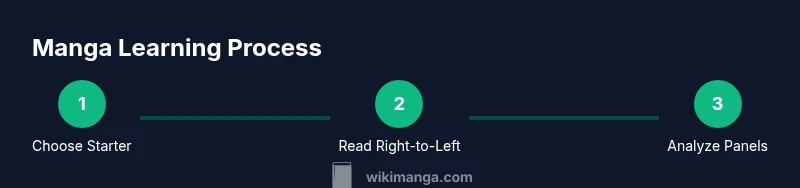
Choose your starter manga
Pick two beginner-friendly titles with clear art and self-contained stories. Focus on accessibility and readability rather than complex world-building to build confidence early.
Tip: Check a sample chapter for legibility; if you struggle to follow the visuals, choose a simpler title. - 2
Set up a comfortable reading space
Create a distraction-free area with good lighting and a device stand. Your setup should encourage relaxed reading posture and easy page turning.
Tip: Place a notepad nearby to quickly jot thoughts after each chapter. - 3
Learn the right-to-left reading flow
Turn on right-to-left mode in your reader if needed and practice identifying the reading order from page to page and panel to panel.
Tip: Keep a practice sheet listing the typical flow to reference during the first few chapters. - 4
Focus on panel transitions and pacing
Note how changing panel sizes guides your eye and signals scene shifts. Track how pacing affects tension within a scene.
Tip: Annotate one example per chapter where panel size changes the mood. - 5
Keep a simple reading log
Record title, date, first impressions, and a one-sentence takeaway. This builds memory and helps you choose future reads.
Tip: Review your notes weekly to identify patterns in your preferences. - 6
Progress gradually to more complex titles
After two or three beginner reads, expand to titles with longer arcs or slightly denser visuals. Maintain the habit of reflection.
Tip: Balance exposure to new styles with repeated reads of favorites. - 7
Engage with the community
Join forums or local clubs, discuss panels, translations, and storytelling techniques. Community feedback accelerates learning.
Tip: Ask questions about what you found confusing and how others interpreted key scenes. - 8
Practice consistency over speed
Aim for regular practice rather than rushing through many chapters. Consistency compounds understanding over time.
Tip: Set a weekly goal and celebrate small milestones to stay motivated.
Frequently Asked Questions
What does reading manga from right to left really mean, and why is it different from Western comics?
Manga traditionally reads from right to left, both in pages and panels. This order guides how you follow dialogue and action. If you’re used to left-to-right reading, start with simple titles and allow yourself extra time to adjust to the flow.
Manga reads right to left, so you’ll start at the page’s right edge and move left. Give yourself a few chapters to get comfortable with the rhythm.
Do I need to know Japanese to enjoy manga, or can I rely on translations?
You don’t need to know Japanese to enjoy manga. Most readers rely on licensed translations or fan translations, depending on availability. Focus on pacing, emotion, and art to understand the story, then use glossaries for unfamiliar terms.
No, you don’t need Japanese. Translations make it accessible, so focus on art and mood first.
What devices are best for beginners when reading manga?
A tablet or e-reader with a readable display is ideal for beginners. Look for adjustable brightness, good contrast, and a reliable app that supports right-to-left reading and bookmarking.
Tablets or e-readers with good contrast and adjustable brightness work best for beginners.
How long does it take to learn manga literacy at a beginner level?
Learning varies by person, but many readers notice progress within a few weeks of consistent practice. The key is steady sessions, not rushing through chapters.
Progress varies, but with regular practice you’ll feel more confident in a few weeks.
Where can I find beginner-friendly manga legally for free?
Many platforms offer free intro chapters or limited-access libraries. Check publisher sites, library apps, and official publisher pages for legal samples to start with.
Look for official sample chapters or library apps to read manga legally for free.
Watch Video
Highlights
- Learn manga basics: right-to-left flow, panel pacing, and clear storytelling.
- Build a sustainable reading routine with short daily sessions.
- Start with beginner-friendly titles; gradually explore more complex works.
- Use a reading log and community feedback to grow your literacy.