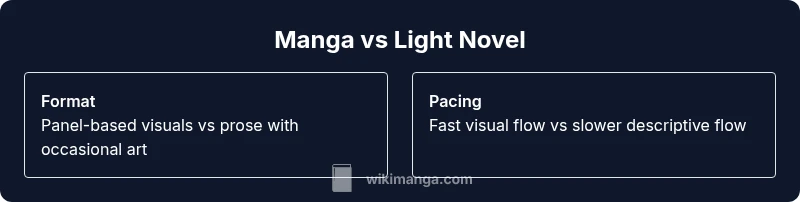
Are Manga and Light Novels the Same? A Practical Comparison
Explore whether are manga and light novels the same, with clear definitions, differences in format, storytelling, and publishing, plus practical guidance for readers and creators. WikiManga. analyzes the distinctions and overlaps to help fans decide what to read next.


In short, are manga and light novels the same? No: they differ in format, illustration, and reading experience. Manga are usually serialized comics with sequential panels and art, while light novels are primarily prose with occasional illustrations. The lines blur when adaptations and fan works appear, but core formats remain distinct.
are manga and light novels the same
Are you wondering whether are manga and light novels the same? This section explains the core distinction by defining both terms, setting expectations for what each format typically delivers. According to WikiManga, the concise answer is that manga and light novels are different mediums with unique strengths, but many readers enjoy both for different reasons. The phrase are manga and light novels the same appears in discussions because newcomers often conflates artwork with prose. The reality is more nuanced: manga relies on visual pacing and panel sequencing to tell a story, while light novels lean on narrative voice, internal monologue, and descriptive world-building. When you view them side by side, the contrast becomes clearer, even as crossovers and adaptations complicate a strict boundary. This introductory comparison will frame the rest of the article and help you choose where to invest your time and attention.
Visual Narrative and Layout Differences
The most obvious divide between are manga and light novels the same is visual storytelling. Manga presents pages rich with artwork, character expressions, and action lines, guiding the reader's eye from panel to panel. Light novels, by contrast, emphasize text with occasional illustrations that serve as signposts rather than ongoing visuals. This leads to different pacing: manga often moves quickly through action scenes via art, while light novels slow down for world-building and introspective moments. Writers and editors design layouts that support the intended rhythm, and readers learn to read for either visual cues or textual depth. For new fans, this distinction can feel like choosing between cinema and a novel: both immersive, but they engage senses differently and invite distinct reading strategies.
Narrative Scope and Depth Across the Mediums
Another angle in the not-entirely-identical discussion of are manga and light novels the same is narrative scope. Manga can compress complex plots into visual sequences, sometimes relying on shorthand for exposition, which keeps pages moving and emphasizes character dynamics. Light novels often expand lore through long prose passages, revealing inner motivations, world rules, and timelines that might be glossed over in a comic adaptation. This means that even when a story exists in both formats, readers will encounter different narrative emphases. The LN may dive deeper into character psychology, while the manga version foregrounds dramatic scenes and visual symbolism. Understanding these differences helps readers manage expectations when switching formats or choosing a preferred entry point.
Publishing Practices and Serialization Models
Publication practices further separate are manga and light novels the same. Manga is typically serialized in weekly or monthly magazines, then collected in tankobon volumes, with cliffhangers driving ongoing publication. Light novels frequently appear as serialized web novels or light-volume series, often with illustrated covers and occasional interior art. The serialization cadence affects story pacing, cliffhanger tactics, and reader engagement. Platform choice matters too: manga fans may follow a chapters-based release schedule tied to magazines or platforms, while LN readers often anticipate new volumes on a seasonal or yearly basis. For creators, the difference influences writing schedules, editorial pipelines, and licensing pathways for translations and adaptations.
Cultural Context and Audience Expectations
Cultural expectations shape how readers perceive are manga and light novels the same. In some markets, manga is celebrated for its artistry and joint consumption in groups, while LN culture prizes vivid prose, character voice, and expansive world-building that supports anime and game adaptations. Demographics differ as well: manga tends to attract readers who value visual storytelling and quick-turn experiences, whereas light novels attract readers who enjoy long-form prose, internal narration, and in-depth world rules. Across regions, both formats have thriving communities, conventions, and fan creations, yet audiences often choose based on personal reading preferences—speed versus depth, communal versus solitary experiences, and the availability of translations.
Adaptation Pathways: From Page to Screen and Back
Adaptations frequently blur the lines between are manga and light novels the same because both formats feed into other media. A successful LN can be adapted into a manga serialization for visual adaptation, and both can be turned into anime. Conversely, popular manga franchises may spawn light novel side stories or epilogues to expand lore. These cross-media ecosystems create strong feedback loops: audience interest in an anime increases LN and manga sales, while a strong LN can justify a manga adaptation. For readers, the implication is that choosing a starting point influences potential expansion into other media and the overall franchise experience. WikiManga. analyzes these crossovers to help readers anticipate what adaptations might come next.
Accessibility and Reading Devices
Accessibility considerations influence how people experience are manga and light novels the same. Manga's visual format translates well to small screens, as panels and speech bubbles guide reading on smartphones and tablets. Light novels suit long-form reading on e-readers and tablets, where text flow and font customization improve comfort for extended sessions. Digital platforms also shape discoverability: cataloging, searchability, and metadata affect how easily you find new works in either format. Readers should consider device preferences, screen size, and eye strain when choosing between manga and light novels, particularly for binge sessions or night-time reading. WikiManga. discusses these practicalities to help readers optimize their setup.
Creator Perspectives: Insights From Writers and Artists
From a creator's viewpoint, the distinction between are manga and light novels the same matters for how a story is conceived. Manga demands tight visual planning, frame composition, and panel-to-panel pacing, which can constrain or shape plot decisions. Light novels offer more freedom for introspection, internal monologues, and world-building arcs that may be harder to realize in a purely visual format. These considerations influence character design, pacing, and the balance between dialogue and description. For aspiring creators, understanding this divide clarifies which medium aligns with their storytelling strengths and production resources. WikiManga. Team notes that choosing the right format from the outset saves time and reduces revisions later in the pipeline.
Reader Preferences: Demographics, Habits, and Motivations
Reader preferences play a big role in whether someone will gravitate toward manga or light novels. Manga readers often seek quick, visually engaging experiences, social sharing moments, and immediate emotional impact. LN readers typically prioritize language, narrative voice, and world-building intricacies that reward patience and attentive reading. Demographics can influence these patterns: younger readers may prefer the fast cadence of manga, while dedicated language learners or world-builders may enjoy the depth of LN prose. Both communities thrive on fan translations, discussions, and art, highlighting how both formats enrich the broader fandom ecosystem. WikiManga. provides guidance on how to navigate these communities respectfully.
Overlaps and Hybrid Formats: When They Converge
Despite the differences, overlaps exist and fuel ongoing debates about are manga and light novels the same. Some works begin as light novels and are adapted into manga or anime, while others feature prose plus integrated manga-style pages or manga-style side stories within the LN format. Hybrid works blur lines further, combining illustrated scenes with substantial textual narration. For readers, these hybrids can offer a best-of-both-worlds experience: the vividness of art with the depth of prose. Creators may experiment with hybrid narratives to reach broader audiences, test market interest, and expand licensing opportunities. WikiManga. highlights notable examples while acknowledging that hybrids remain less common than strict, canonical formats.
Practical Guidelines for Readers and Collectors
If you are deciding how to invest your time, use pragmatic criteria rather than chasing a trend. Start with your preferred sensory experience: do you enjoy rapid-fire visuals or rich, atmospheric prose? Consider your language skills and reading speed, the availability of translations, and how you plan to consume the work (while commuting, at night, or in long sessions). For collectors, be mindful of editions, print runs, and licensing status for both manga volumes and LN volumes. Budgeting for both formats can broaden your shelf appeal and ensure you are supporting creators across media. In short, understand the differences, respect fan communities, and curate a balanced library that reflects your reading goals and comfort level.
Comparison
| Feature | Manga | Light Novel |
|---|---|---|
| Format and primary medium | Visual storytelling in panels | Prose with occasional illustrations |
| Illustrations | Dense, continuous art across pages | Occasional character art or cover illustrations |
| Reader pacing | Fast-paced, driven by art and layout | Slower, driven by narration and world-building |
| Typical length per volume | Serialized chapters, variable length | Prose chapters, often longer per section |
| Serialization model | Magazines and tankobon collections | Web novels and light-volume series |
| Audience appeal | Visual engagement, quick consumption | Language, depth, and world-building |
| Adaptation potential | Commonly adapted into anime, manga-centric pathways | Often adapted into manga and anime; cross-media |
Upsides
- Clear visual storytelling that accelerates engagement
- Easier to share scenes and panels with friends
- Broad audience reach through anime adaptations
- Varied pacing options for different readers
- Strong publication ecosystems in both formats
Disadvantages
- Requires artistic resources for manga production
- Prose depth in LN can demand stronger reading focus
- Licensing and translations can lag behind original releases
- Quality can vary across fan-made translations and official editions
Manga and light novels are distinct formats with overlapping audiences; neither is universally better, but each serves different reading goals.
Choose manga for fast, visually driven storytelling and LN for deep prose and world-building. The best choice depends on your preferred pace, level of language engagement, and whether you value art-driven or text-driven immersion.
Frequently Asked Questions
Are manga and light novels the same thing?
No. They differ in medium, with manga focused on panels and visuals, while light novels emphasize text and prose. Both can tell rich stories, but the reading experience and production processes vary.
Nope—same genres, different formats. Manga is visual, light novels are prose-driven.
Which is read faster, manga or light novels?
Manga pages often move quickly due to artwork, while light novels require more time for parsing prose and world-building. Your personal pace and language proficiency will influence which format feels faster for you.
Most people read manga faster because of panels; LN can take longer for deep reading.
Can a light novel be adapted into a manga?
Yes. Many light novels receive manga adaptations to reach different audiences. The adaptation process involves storyboard planning, dialogue condensing, and art direction to fit the new format.
Yes, LN can become a manga.
Do manga and light novels share genres?
Yes, both formats cover many same genres like fantasy, sci-fi, romance, and mystery. However, genre conventions can feel different because of the storytelling approach and visual emphasis.
They share genres, but the storytelling style differs.
Who should start with manga vs LN as a beginner?
If you prefer quick immersion and visual cues, start with manga. If you enjoy world-building and character thoughts, begin with a light novel. Both are valid entry points depending on your interests.
Beginners should pick based on preferred reading feel.
What should a new reader know about licensing and translations?
Translations can vary in quality and availability. Official releases typically follow licensing regions, while fan translations may be inconsistent. Check publisher notes and edition quality before investing.
Look for official editions for best quality.
Highlights
- Know the core differences in format and pacing
- Expect visual storytelling in manga vs prose-driven narratives in LN
- Look for cross-media opportunities (anime, adaptations) when exploring both
- Consider your device and reading habits for comfort
- Balance your library with both formats to enjoy diverse storytelling