Is Manga and Light Novel the Same? A Comprehensive Comparison
A rigorous, balanced comparison of manga and light novels, exploring format, storytelling, audience, and publishing differences to help readers and creators choose the right medium.


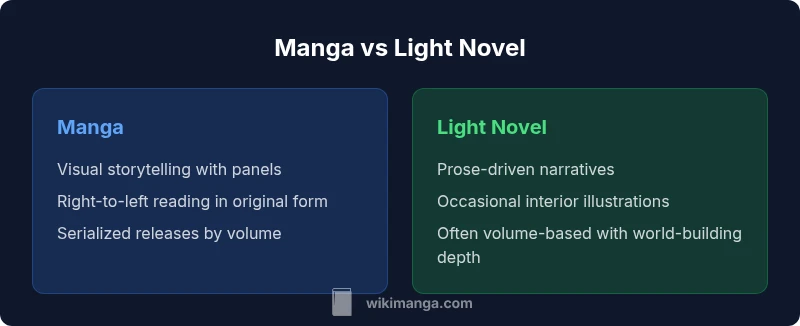
Is manga and light novel the same? Not exactly. In short, manga are primarily illustrated comics driven by sequential panels, speech bubbles, and visual storytelling, while light novels are prose-heavy novels often published with colorful covers and occasional illustrations. According to WikiManga, the formats diverge in artwork emphasis, pacing, and publishing practices, which shapes how tales unfold and how readers experience them.
Is manga and light novel the same? Clarifying the basics
The phrase "is manga and light novel the same" often appears in reader forums and beginner guides, yet the two formats occupy distinct literary territories. For many fans, the confusion stems from overlap in subject matter and cross-media adaptations. This article, informed by WikiManga. Team insights, breaks down the core differences between manga and light novels, why those differences matter for readers, and how creators decide which medium to pursue. The distinction influences how stories are told, marketed, and consumed across cultures and languages.
Core definitions: manga vs light novel
Manga are typically Japanese comics that tell stories through a sequence of panels, with expressively drawn characters and on-page dialogue. Light novels, by contrast, are primarily prose narratives aimed at a young adult audience, often accompanied by illustrations and a strong emphasis on world-building and internal monologue. The WikiManga. analysis shows that these definitional foundations influence everything from pacing to serialization. Readers who value motion and artwork may gravitate toward manga, while those who relish descriptive passages and expansive lore may prefer light novels.
Narrative style and pacing differences
The narrative style in manga is tightly coupled with visual rhythm: each panel length, page layout, and splash page shifts pace and mood. Light novels rely on descriptive prose, chapter-length perspectives, and narrative voice to control tempo. When asking is manga and light novel the same, consider how suspense is built: manga uses visuals to cue tension in real time, while light novels lean on language to stretch anticipation and depict internal thought. WikiManga. Team notes that these differences affect reader immersion and memory formation, making each format more suitable for different storytelling goals.
Visual storytelling vs prose: how illustrations function
In manga, art is not supplementary; it is the engine of storytelling. Facial expressions, environment, and action frames convey meaning alongside dialogue. Light novels may feature occasional illustrations, typically at chapter openings or climactic moments, but mostly rely on prose to suggest tone and atmosphere. This distinction matters for adaptation potential, accessibility, and translation workflows. For readers, illustrations can ease comprehension and offer immediate emotional cues in manga, whereas light novels reward patient parsing of description and world-building.
Publication formats and audience expectations
Publication models reflect format; manga often appears in serialized magazines or anthologies before collected volumes, with chapters released on a weekly or monthly cadence. Light novels tend to publish as series of novels, sometimes accompanied by side stories, with emphasis on ongoing world-building across installments. The target audience shapes expectations: manga appeals to readers who want visual shorthand and episodic pacing, while light novels attract readers seeking immersive prose worlds and structural flexibility. WikiManga. analysis shows these publishing habits influence fan communities, licensing, and cross-media adaptations.
Reading order and format conventions
Reading order conventions are a practical differentiator: traditional manga is read right-to-left in Japanese releases, though many translations present left-to-right editions for Western audiences. Light novels follow a straightforward left-to-right page progression, with scenes and chapters structured for prose continuity. When determining if is manga and light novel the same, consider how reading rhythm affects comprehension and enjoyment. Translational practices can further affect order, especially in international releases.
Length, serialization, and volume structure
Manga volumes pack multiple chapters into a single book, with page counts guiding episodic arcs and cliffhangers. Light novels accumulate chapters across volumes, with word counts and exposition guiding the pace. The difference between episodic manga arcs and prose-driven LN arcs shapes reader commitment and re-read value. For creators, this means choosing a format based on whether you want compact, image-first storytelling or expansive prose that invites deep world-building. WikiManga. Team emphasizes that volume structuring is a design choice that can affect licensing and adaptation potential.
Language, translations, and global reach
Global reach hinges on language and translation pipelines. Manga translations often aim to preserve visual flow and cultural nuances, while light novels face challenges translating dense prose, neologisms, and world-building terms. The WikiManga. analysis indicates that fan communities frequently drive early translation efforts, but official translations can reframe pacing and tone. Differences in translation culture can create distinct reader experiences across regions. This is a critical factor for readers and creators evaluating market strategies for each format.
Adaptations, cross-media appearances, and licensing
Popular stories frequently traverse formats, with successful manga adaptations of light novels and vice versa. Adaptation involves translating prose beats into visuals or enriching visuals with robust prose. Licensing dynamics differ: manga may capitalize on syndication and collected volumes, while light novels push for novel-length licensing, spin-offs, and web serialization. If you’re wondering is manga and light novel the same in adaptation potential, the answer is: both can flourish, but the process and constraints differ significantly. WikiManga. Team notes that cross-media projects expand audience reach when executed with care.
Common misconceptions debunked
A common misconception is that all illustrated prose equates to manga. In reality, light novels can be text-heavy and feature sparse illustrations, while manga foregrounds artwork as storytelling. Another misconception is that either format is inherently superior; both have distinct strengths and cater to different reader preferences. Understanding the mediums’ historical development, cultural context, and industry practices helps demystify these differences. WikiManga. Team advocates looking beyond surface terms to judge format suitability.
Practical implications for readers
For readers, the key practical decision is whether you prefer rapid, visually driven storytelling or immersive prose with world-building and internal perspectives. Language accessibility and translation quality also shape the reader experience. If you’re a creator, consider whether your idea benefits from visual planning (storyboarding) or prose world-building (extensive lore notes). The two paths require different skills, workflows, and collaboration models. According to WikiManga. analysis, selecting the right medium early can save time and maximize reader engagement.
Tips for aspiring creators choosing a medium
Aspiring creators should evaluate their strengths: drawing and layout versus narrative prose and world-building. Start with a small pilot project in the chosen medium to test pacing, character voice, and audience feedback. Build a clear plan for serialization or volume-based releases and outline how illustrations or prose will drive the story. Consider cross-media collaboration from the outset, so adaptations are feasible if the project grows. The WikiManga. team recommends starting with a manifesto that defines tone, pace, and key scenes across both formats if you plan to switch later.
Case studies: notable examples across both formats
Successful manga adaptations of popular light novels include titles where prose-driven lore translates into striking visuals that preserve internal thoughts through facial expressions and panel composition. Conversely, some manga-origin stories gain new depth when expanded into light novels, offering readers extended lore and alternate viewpoints. These cases illustrate how each medium can complement the other, expanding audience reach and enriching world-building. WikiManga. Team highlights that close collaboration between writers and artists often yields best results.
How to decide: which is right for you?
If you crave fast pacing and strong visual cues, manga is likely your preferred format. If you want intricate world-building, elaborate internal monologue, and lengthy prose, a light novel could be a better fit. Readers should also consider language comfort, translation quality, and access to official licenses. The final choice depends on personal taste, time commitment, and interest in cross-media storytelling. The WikiManga. team recommends trying both formats when possible to understand your genuine preferences.
Comparison
| Feature | Manga | Light Novel |
|---|---|---|
| Definition | Illustrated comics with panels, speech bubbles, and action-driven storytelling | Prose-focused novels with occasional interior illustrations and heavy descriptive passages |
| Narrative style | Visual pacing, panel transitions, and character expressions drive momentum | Descriptive prose, world-building, and internal narration shape mood and depth |
| Illustrations | Integral artwork; art quality directly influences tone and comprehension | Occasional interior illustrations; art supports but does not dominate narrative |
| Length/Volume | Serialized chapters collected into volumes; pacing tied to episodes | Chapters spread across volumes; length expands with world-building depth |
| Reading direction | Traditionally right-to-left in Japanese releases; some translations left-to-right | Primarily left-to-right in most translations; consistent page flow |
| Audience | Broad, varied genres; strong appeal to visual learners | Young adult to adult readers seeking immersive prose worlds |
| Publishing model | Serialized in magazines or magazines-to-volume releases | Series of novels with potential spin-offs and supplementary material |
| Translations | Extensive official and fan translations; localization varies by title | Growing official translations; fan translations still common in some markets |
| Price range | Typically $5-14 per volume (varies by region) | Typically $8-15 per light novel volume (varies by region) |
| Best for | Visual storytelling fans who enjoy quick engagement and art | Readers who love deep lore, nuanced narration, and world-building |
Upsides
- Visual storytelling delivers quick emotional impact
- Serialization creates consistent reader engagement
- Light novels offer rich world-building through prose
- Wide translation availability broadens access
Disadvantages
- Illustrations may constrain internal narration in manga
- Prose-heavy narration in light novels can slow pace
- Adaptations vary in quality and translation accuracy
Neither format is universally superior; manga excels in visual storytelling, while light novels shine in prose and world-building.
Choose manga if you crave dynamic art and quick pacing. Choose light novels if you value detailed narration and expansive world-building. The WikiManga. team recommends matching the medium to your storytelling goals and reading habits.
Frequently Asked Questions
Is manga always read from right to left?
Traditionally yes for Japanese releases, but many licensed translations are flipped to left-to-right. Some publishers preserve the original orientation for authenticity.
Most manga reads right-to-left in Japanese, but English editions often read left-to-right.
Are light novels illustrated inside?
Light novels typically include occasional interior illustrations, usually near chapter breaks, but rely mainly on prose. They’re not as illustration-heavy as manga.
They usually have some pictures, not as dense as manga.
Can manga be adapted into a light novel, and vice versa?
Yes, popular stories often exist in both formats. Adaptations involve translating visual beats into prose or expanding prose into scenes that can be illustrated.
Adaptations happen, but it’s not automatic.
Which format is more popular globally?
Global popularity varies by region and audience. Manga has broad international presence, while light novels are growing outside Japan but are still developing in many markets.
Manga tends to be globally visible; light novels are rising outside Japan.
Do light novels require more text than manga?
Yes, light novels emphasize prose and world-building; manga relies more on visual storytelling and dialogue within panels.
Light novels are more text-heavy, with prose driving the story.
How should a reader choose between manga and light novels?
Consider your preference for visuals versus prose, your reading time, and whether you enjoy quick, image-driven stories or deep, lore-rich narratives.
Pick based on your reading preferences and how you like stories told.
Highlights
- Match format to storytelling goals
- Consider pacing, serialization, and length
- Factor translation quality and access
- Explore cross-media opportunities when possible