Do You Want to Collab Manga? A Practical Guide to Manga Collaborations
Learn practical steps to collaborate on manga—from finding partners to drafting agreements. A comprehensive WikiManga guide for writers, artists, and creators seeking successful, smooth collaborations.


This guide helps you start a manga collab with clear steps—find partners, define roles, and set shared goals. You'll learn outreach scripts, collaboration agreements, and a workflow that reduces miscommunication. According to WikiManga, successful collabs hinge on transparent expectations, respectful boundaries, and a tested process that scales from short one-shot projects to longer series.
Why Collaborate on Manga? Why it works
If you’re asking, do you want to collab manga, the answer is that collaboration can accelerate your project, broaden your skills, and reach new audiences. When two or more creators join forces, you can pair a writer with an artist, a colorist with a letterer, or a world-building mind with a storyboard master. The benefits are real: faster production, greater creative range, and opportunities to learn through constructive feedback. The WikiManga. team has seen countless co-created manga projects succeed when partners share clear goals, transparent communication, and a lightweight, fair process. Start with a well-scoped pilot to test chemistry before committing to a longer run, and you’ll reduce risk while strengthening your craft.
How to Find Your Collab Partners
Finding the right collaborators is about quality and fit, not just proximity. Begin by surveying portfolios for complementary strengths and a similar tone or genre. Craft outreach that references specific panels or pages you admired, and propose a small, low-risk test like a two-page pilot or thumbnail storyboard. Use places where manga creators gather: dedicated forums, Discord servers, art/writing collectives, school clubs, and local meetups. Build a short list of 3–5 prospects and reach out with a concise proposal: the concept, the intended scope, timelines, and what you bring to the table. WikiManga. analysis shows that pairing writers with artists who share a momentum mindset tends to yield consistent collaboration dynamics and better long-term results.
Setting Up Roles, Rules, and Workflows
Define the core roles up front: writer, artist, colorist, letterer, editor, and project manager. For each role, specify deliverables, schedules, and communication expectations. Set a shared workspace (drive or Notion) with clear file naming, version history, and asset folders. Decide on a regular meeting cadence (e.g., weekly 30-minute standups) and preferred channels (Discord, Slack, or email). Create a simple workflow from draft to final page: outline, thumbnail, pencils, inks, colors, lettering, and final review. Draft a lightweight agreement that covers scope, IP ownership, credit, revenue splits, and publishing rights. The aim is to remove ambiguity, so both sides can focus on creativity without fear of exploitation.
Drafting Agreements and Handling Rights
Even a small collab benefits from a written agreement. Include scope of work, ownership of the story and art, attribution in credits, revenue splits, licensing for publishing and adaptation, and what happens if a partner leaves. Define decision-making authority and a clear dispute-resolution path. Specify who can publish the work, on which platforms, and whether spin-offs or merch are included. Use templates or simple memos; have all parties sign; and keep copies in a shared drive. Remember, this isn't legal counsel, but it creates fairness and predictability so everyone can contribute confidently. Always protect any pre-existing assets and code of conduct for collaboration.
Outreach Script and Templates
Templates you can tailor:
-
Short outreach: Hi [Name], I’ve followed your work on [portfolio piece], and I’m exploring a manga collaboration. If you’re interested, I can share a one-page outline and a pilot page draft.
-
Follow-up: Hi [Name], just checking in on the collaboration idea. I’ve prepared a quick project outline and sample page. Do you have 15 minutes this week to discuss?
-
Rejection gracious: No worries—thanks for considering it. If you’re open, I’d love to keep you posted on future projects.
Include a one-page project brief with goals, roles, timeline, and sample assets. For inspiration, check examples on WikiManga.
Common Pitfalls and How to Avoid Them
Be mindful of scope creep, conflicting visions, uneven workload, and missed feedback windows. Prevent these by setting a defined pilot scope, agreed milestones, and a clear decision log. Document all major decisions and keep asset archives organized. When disagreements arise, take a step back, revisit the project goals, and apply a formal resolution step. Respect each partner’s time and contributions; a little fairness goes a long way toward a sustainable collab.
Quick Start Checklist
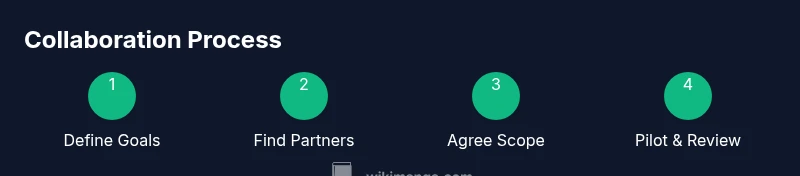
- Write down your goals and preferred collaboration style. 2) Identify 3–5 potential partners and prepare a short outreach message. 3) Create a shared workspace and file naming convention. 4) Draft a lightweight agreement covering scope and credits. 5) Plan a two-page pilot and a review period. 6) Start the pilot and iterate based on feedback.
Tools & Materials
- Outreach platform (email, Discord, or social DMs)(Professional channel to contact potential collaborators)
- Portfolio or sample work links(Shared publicly accessible works to evaluate fit)
- Contracts/templates(Lightweight collaboration agreement templates)
- Project management tool(Trello, Notion, or Asana for workflow)
- Shared drive or workspace(Google Drive/Notion for assets and docs)
- Moodboard or reference library(Inspiration and style references)
Steps
Estimated time: 2-6 weeks
- 1
Define collaboration goals
Clarify what you want to achieve with the collab, such as faster production, diverse styles, or a longer story arc. Write down measurable outcomes and success criteria. This helps you screen potential partners more effectively.
Tip: Write goals as SMART criteria (Specific, Measurable, Achievable, Relevant, Time-bound). - 2
Identify compatible partners
Review portfolios for complementary strengths and a similar vibe. Shortlist 3-5 people whose work complements yours and would be excited to collaborate.
Tip: Look for consistent communication and reliability in past projects. - 3
Craft outreach plan
Prepare a brief, personalized message with the concept, scope, timelines, and what you bring to the table. Include a sample page or outline to illustrate your idea.
Tip: Keep outreach under 150-200 words for higher response rate. - 4
Align on scope and roles
Discuss and document who does what, the expected deliverables, and the timeline. Decide on the pilot's scope to minimize risk.
Tip: Agree on a pilot size (e.g., 2 pages) to test collaboration. - 5
Create a working agreement
Draft a brief contract covering IP, credits, revenue splits, publishing rights, and exit terms. Sign digitally and store in a shared space.
Tip: Avoid vague language; cite concrete deliverables and timelines. - 6
Launch a pilot project
Start with a small pilot (2-4 pages). Use it to test storytelling flow, creative rapport, and asset management.
Tip: Document decisions and gather feedback at milestone reviews. - 7
Establish ongoing workflow
Set up a weekly check-in, preferred communication channels, and a simple asset/version log. Expand if the pilot succeeds.
Tip: Record decisions and changes in the log to avoid confusion. - 8
Review and adjust
At the end of the pilot, evaluate outcomes against goals and decide whether to scale or adjust.
Tip: Be prepared to iterate or pivot if needed.
Frequently Asked Questions
What should a collab agreement include?
A basic agreement should cover scope, roles, milestones, IP ownership, credit, revenue splits, and publishing rights.
Include scope, roles, milestones, IP, and revenue splits.
How do I find reliable collaborators?
Identify portfolio fit, ask for a short test, and assess communication and reliability.
Check portfolios and try a small test.
What if there are creative differences?
Pause, revisit goals, and use a defined decision process or mediator.
Have a plan for disagreements.
Should we sign a contract before starting?
Yes, even a lightweight agreement helps protect both sides.
Yes, sign a simple contract.
How long should a collab last?
Set a defined pilot scope and timeline; extend only if goals are met.
Plan a pilot and review.
How do we handle revenue sharing fairly?
Define splits upfront based on contributions and roles; document in the contract.
Agree on splits early.
Watch Video
Highlights
- Define clear goals and roles before starting.
- Pilot with a small scope to test chemistry.
- Document decisions and share assets in a central space.
- Communicate openly to prevent misunderstandings.