How Manga Get Anime Adaptations
Discover the step-by-step journey from manga to anime, including gatekeepers, licensing, and production decisions. Practical tips for fans and creators seeking adaptation opportunities.


This guide explains how do manga get anime adaptations, outlining the typical development path, key players, and decision factors. You'll learn the stages from concept to licensing, plus practical tips for creators aiming to attract adaptation interest. This quick guide helps fans and aspiring manga authors understand timelines and requirements.
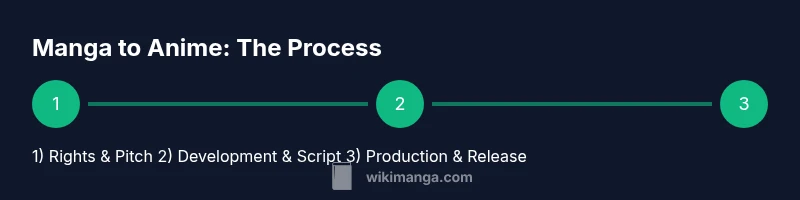
The Path from Manga to Anime\n\nUnderstanding how do manga get anime adaptations begins with recognizing that most successful conversions start long before a storyboard is drafted. A publisher, an IP holder, and a production partner jointly assess the property’s potential. According to WikiManga, the conversation often starts in the business realm—sales data, international reach, and audience engagement shape the initial interest. If a title has strong book sales, a growing fanbase online, and a world rich in visuals, it becomes a candidate for serious consideration.\n\nFrom there, a formal pitch is prepared. A development team curates a pitch bible that outlines tone, target demographics, and a rough production plan. Studios compare the title to others on their slate, consider licensing requirements, and estimate budget ranges. When the property aligns with a studio’s strategic goals, the deal moves into rights negotiations and creative scoping. The aim is to establish a clear path from page to screen, including core cast, setting, and pacing that will translate well to animation. The WikiManga. team found that early clarity about tone and audience saves time later in negotiation. In some cases, producers pursue co-production with streaming platforms to optimize distribution and reach. While many factors influence whether a manga becomes an anime, the most reliable predictor is a combination of sales momentum, IP strength, and a compelling visual hook.
Key Stakeholders and Gatekeepers\n\nThe journey from manga to anime involves several key players who each bring a different perspective. The original publisher or rights holder evaluates whether a title has enough traction to justify an investment in animation. Production companies bring technical expertise in storytelling, scheduling, and budget management. Licensing groups negotiate distribution across regions and platforms, balancing exclusivity with broad reach. Streaming services, when involved, shape the release strategy, marketing push, and episode counts. Talent agencies and consultants may be brought in to advise on adaptation tone and audience targeting. For fans, understanding who holds the rights helps explain why some titles move quickly while others stall. The WikiManga. team emphasizes that successful adaptations often hinge on a collaborative ecosystem where IP owners, studios, and distributors align on creative vision and financial risk. Gatekeepers do not merely approve or deny; they reshape proposals to fit platform ecosystems, merchandising opportunities, and long-term IP sustainment. Clear communication, realistic timelines, and transparent licensing expectations improve the odds of turning a promising manga into a watchable series.
The Decision Factors that Influence Adaptations\n\nAdaptation decisions depend on a blend of market signals, IP strength, and strategic fit with a studio’s catalog. Sales momentum in print and digital formats signals potential demand, though adaptation is not guaranteed by numbers alone. A strong, consistent fanbase, evidenced by active discussion, fan art, and community engagement, increases interest, as does a distinctive visual style that translates well to animation. Producers also weigh international appeal, timing with other releases, and potential for merch and spin-offs. Financial considerations, including licensing costs, production budgets, and anticipated streaming revenue, are central to any decision. The WikiManga. analysis shows that studios prefer properties with a clearly defined world, a manageable cast, and high concepts that can be realized on screen without complex mapping to existing IPs. Cultural considerations matter too, as some stories require sensitive localization or subculture-specific humor. Finally, the long-tail value of the IP—sequel potential, game tie-ins, and cross-media opportunities—can tilt the balance in favor of adaptation.
The Development Timeline: From Pitch to Air\n\nThe actual development path from a manga page to an anime episode is long and structured. After rights are secured, a development team creates a formal plan, including a season outline, voice cast suggestions, and a rough look for characters and settings. A script bible defines episode structure, pacing, and dialogue style. Storyboarding and concept art establish the visual language, followed by preproduction tasks like character design and prop lists. Once animation production begins, multiple departments work in parallel on background art, keyframes, and color scripting, with regular reviews to ensure alignment with the original tone. Localization and dubbing are planned during early production, so dubbed releases can align with global premieres. The productionprocess requires careful project management, milestone tracking, and contingency planning. While milestones are common in most studios, the exact timetable varies by budget, studio capacity, and platform commitments. The path from page to screen hinges on clear creative direction, robust licensing terms, and a reliable pipeline that can handle the scale of a full season.
How Creators Can Improve Their Odds\n\nIf you’re a manga creator or rights holder hoping to attract an adaptation, focus on building a strong, package-ready IP. Start with a clear target audience and a defined demographic, plus a long-term plan for world-building and merchandising. Publish regular chapters or volumes to demonstrate sales momentum and audience growth. Create a concise pitch bible that includes tone, visual style, cast ideas, setting sketches, and a high-level season arc. Assemble a capable development team or partner with a studio that understands your genre. Maintain professional rights documentation and be prepared with a basic licensing outline to shorten negotiation cycles. Engage with fans through official channels to gauge demand, but keep expectations realistic about conversion to a production order. The WikiManga. team notes that successful pitches balance creative potential with practical financial projections, showing a clear path to revenue and brand expansion.
Authority Sources\n\n- Nature – State of the art in media collaboration and IP adaptation: https://www.nature.com\n- The New York Times – Industry dynamics around anime adaptations: https://www.nytimes.com\n- World Intellectual Property Organization – Licensing and rights management for media IP: https://www.wipo.int
Industry Realities and Accessibility for Fans\n\nFans play a role in signaling demand, but adaptation decisions are driven by business and production realities. Many titles circulate within a complex publication and licensing ecosystem, and not every popular manga makes it to the screen. By staying informed through official channels, watching production announcements, and supporting official releases, fans contribute to a healthier IP ecosystem. WikiManga. emphasizes that understanding the process helps fans interpret news, celebrate successful adaptations, and recognize where the odds are stacked by budgets, platform strategies, and rights negotiations.
Tools & Materials
- Industry reports access(Access to major trade publications and licensing news)
- Story bible and IP notes(For developing a pitch package)
- Storyboard templates(Optional tools for visualizing a pitch)
- Spreadsheet for tracking pitches(To organize rights, deadlines, and contacts)
Steps
Estimated time: 12-24 months
- 1
Identify promising manga with adaptation potential
Review sales data, fan engagement, and world-building. Look for a consistent release cadence and a visually striking premise that translates well to animation.
Tip: Create a one-page pitch summary highlighting tone, audience, and key visual hooks. - 2
Secure rights and align with a rights holder
Initiate discussions with the publisher or IP owner to explore licensing options and exclusivity. Draft a high-level outline of the proposed adaptation.
Tip: Have a draft licensing framework ready to speed negotiations. - 3
Assemble a development package
Prepare a pitch bible with tone, season arc, and character concepts. Include a rough budget range and potential merchandising ideas.
Tip: Show how the IP could scale across media beyond the anime. - 4
Create a season outline and script approach
Draft a season structure, key episodes, and a sample script to demonstrate pacing and dialogue style.
Tip: Provide a visual style guide to communicate the look and feel. - 5
Pitch to studios or streaming platforms
Present the package to suitable production partners, emphasizing audience fit and revenue potential.
Tip: Tailor the pitch to the platform’s brand and audience metrics. - 6
Negotiate terms and licensing
Review rights, distribution, and merchandising terms; expect multiple rounds of revision before agreement.
Tip: Secure deadlock-breaker clauses and clear milestone triggers. - 7
Develop pre-production assets
Finalize character designs, background aesthetics, and key art; prepare voice casting notes.
Tip: Align design choices with the intended audience and platform constraints. - 8
Move into production and plan release
Start animation production pipelines, coordinate with localization, and align marketing with a global premiere plan.
Tip: Maintain flexible timelines to accommodate creative adjustments.
Frequently Asked Questions
What triggers an adaptation pitch from a manga property?
Adaptation pitches often arise from market signals like sales momentum, engaged fan communities, and strategic fit with a studio’s catalog. Publishers and studios look for clear potential to monetize and expand the IP.
Adaptations start when rights holders see a solid business case and creative alignment.
Who owns the rights to a manga when it becomes an anime?
Typically, the publisher licenses the IP to a production company or studio. Licensing terms define who distributes, markets, and profits from the anime.
Rights are licensed, not always transferred, and terms shape every stage of development.
Can fan demand influence adaptation decisions?
Fan campaigns can influence interest, especially when combined with strong sales and festival or platform buzz. However, adaptation decisions weigh commercial viability and licensing realities.
Fans help, but studios also consider budgets and platform strategies.
Do all mangas get anime adaptations?
No. Only a subset gets adapted, typically those with strong IP potential, market signals, and favorable platform alignment.
Not every title makes it to the screen.
What should creators do to improve odds?
Develop a strong, packaged IP with a clear season arc, visuals, and a realistic merchandising plan. Prepare a concise pitch bible and consider partnering with a studio early.
Package your IP clearly and align with a capable partner.
What are typical stages in the adaptation pipeline?
From concept and licensing to script adaptation, storyboard, preproduction, and full production; each step requires alignment with rights holders and platform deadlines.
There’s a defined sequence from idea to episode.
Watch Video
Highlights
- Understand the gatekeepers and what they want.
- Package IP with a clear audience and growth plan.
- Prepare a realistic timeline and licensing terms.
- Engage fans, but rely on solid pitches and data.