How Manga Gets an Anime Adaptation: A Step-by-Step Guide
Explore how manga earns an anime adaptation, from sales and IP strength to production committees, scripts, and pitch processes. A practical, step-by-step guide for fans and creators.


Learn how a manga earns an anime adaptation: it starts with solid sales and publisher interest, followed by a production committee, a pitch package, and a pilot. Timeframes vary, but a strong IP with clear merchandising potential improves the odds. Understanding the steps helps fans and creators navigate the process.
Understanding the path from manga to anime
If you’re asking how does a manga get an anime adaptation, the answer hinges on three intertwined factors: commercial viability, creative potential, and strategic timing. The journey usually begins long before anyone talks to animation studios. Publishers assess current sales data, library depth, and the franchise’s ability to cross into merchandising and streaming rights. Fans’ enthusiasm, international demand, and platform interest can tip the scales, especially when timing aligns with new streaming deals or festival buzz. In practice, a publisher might look for a strong arc, memorable characters, and a universe that can be expanded across episodes without diluting the source material. In short, manga with a growing, global footprint and clear monetization paths stand the best chance of catching the eye of an adaptation team. This article explains the stages, players, and decisions that determine whether a beloved manga becomes an anime.
Key drivers behind adaptation decisions
Publishers and producers weigh several pillars: sales trajectory, franchise potential, and risk mitigation. First, sales stability across manga volumes and digital platforms signals durability. Second, the IP’s flexibility for multiple media forms—anime, games, light novels, and merchandising—lowers risk and increases expected returns. Third, audience demographics and international reach matter: studios prefer works with proven global demand. Fourth, the creator’s track record and the editorial relationship influence trust in development. Finally, potential revenue sharing, license structures, and the existence of a ready-made merchandising pipeline can push a project forward. Understanding these levers helps fans and creators gauge when a manga is in play for adaptation, and why some titles with cult followings still stay in print while others leap to screens.
The development pipeline explained
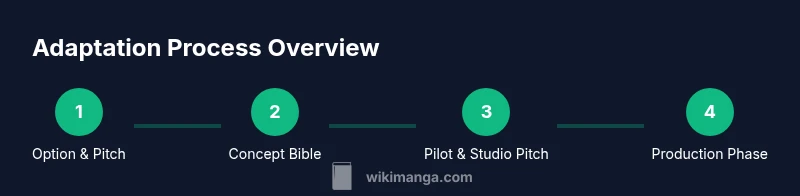
In practice, the path from manga to anime involves a coordinated sequence of steps, typically managed by a production committee. It starts with an option or pitch agreement where a publisher grants rights to develop the property. Then comes a formal script bible or scenario outline, followed by character designs, world-building notes, and a high-level storyboard concept. Once a team is assembled, a pre-visualization or pilot can be proposed to studios or streaming platforms. If a green light is given, the project moves into full production with episode scripts, voice casting, and ongoing revisions. Throughout, licensing and merchandising plans are negotiated in parallel to maximize the anime’s revenue streams. The timeline can range from months to years, depending on complexity and market conditions.
Who participates in the decision-making
A typical adaptation effort relies on a production committee, which includes the publisher, animation studio partners, rights holders, and often toy or game companies. Each member contributes funding and strategic input, shaping the anime’s tone, art style, and episode count. The committee approves major milestones, such as the level of creative deviation from the manga, budget ceilings, and release windows. Creators are consulted, but the final call resides with the committee. This collaborative model helps manage risk and align incentives across co-producers, ensuring a viable path to release.
Common roadblocks that derail adaptation projects
Even popular manga can fail to reach the screen. Rights negotiations can stall over licensing terms, revenue splits, or inclusion of crossover characters. Creative concerns arise when the manga’s tone or pacing proves hard to translate to animation, or when a publisher lacks a strong platform partner. Scheduling conflicts, budget overruns, or changes in leadership at a studio or publisher can halt momentum. Additionally, market shifts—such as a stagnating streaming market or a crowded release calendar—can push an adaptation back or cancel it outright. Understanding these pitfalls helps fans separate rumor from reality and sets expectation for the timelines involved.
The role of fan engagement and market feedback
Fan support matters more than ever in the digital age. Movements—like online petitions, organized fan-submissions, and robust international interest—can influence publishers to keep an adaptation in consideration. Social metrics, fan art, fan translations, and active communities signal a sustained audience. However, engagement alone rarely guarantees a green light; it must be paired with sales data, licensing viability, and a credible production plan. Still, a strong, positive fan base demonstrates to decision-makers that there is a devoted market that will watch and promote the anime upon release.
Practical steps for creators aiming to attract adaptation interest
Aspiring mangaka or publishers can improve odds by building a compelling, market-ready package. Start with strong, consistent volumes and clear storytelling arcs that translate well into episodic formats. Develop a concept bible including world rules, character motivations, and a sample episode outline. Assemble a professional pitch deck that highlights sales potential, target demographics, and potential merchandising. Seek development support from a reputable studio or agency, and be prepared to share fan engagement metrics and streaming appetite. Finally, protect intellectual property with clear rights terms and a framework for revenue sharing before any serious conversations begin.
How an anime adaptation can impact the manga
A successful adaptation tends to boost the original manga’s visibility, leading to higher sales, renewed interest in back catalog, and new fans who discover the story through anime. Cross-media exposure often expands licensing deals, merchandise, and even fan-driven spin-offs. Conversely, a poorly executed adaptation can harm brand perception and depress manga sales if fans feel the adaptation misrepresents the source. Creators should plan for these dynamics by aligning the anime’s messaging with the manga’s core themes and ensuring quality control across all stages.
A hypothetical case: outlining the journey from pitch to pilot
Consider a fictional fantasy-title manga with a dedicated but modest readership. A publisher sees growing international chatter and decides to explore adaptation. A rights option is signed for 12 months, a concept bible is produced, and a storyboard team creates a short pilot outline. A studio is approached with a pitch deck that includes projected budget, episode count, and merchandising ideas. If the studio approves, a pre-visualization phase begins, followed by a formal green light and production. While timelines vary, the process illustrates typical milestones: concept alignment, script refinement, storyboard creation, and studio collaboration, all guided by the production committee.
Future trends and how to stay informed
The manga-to-anime landscape is evolving with streaming platforms, global distribution, and cross-media storytelling. Expect more multi-season orders, tighter collaboration between publishers and studios, and pre-existing IP refreshing that leverages world-building and character development across formats. Fans and creators should follow official announcements, attend industry events, and engage with publisher transparency dashboards when available. For people curious about how does a manga get an anime adaptation, staying current with market indicators, platform strategies, and artistic direction is essential for anticipating the next adaptation wave.
Tools & Materials
- Market reports and publisher guidelines(Access to sales data, licensing terms, and IP rights policies)
- Pitch deck template(A concise, data-driven package for rightsholders)
- Concept bible template(World rules, character arcs, episode outlines)
- Storyboard samples(Example layouts for pilot concepts)
- Non-disclosure agreement (NDA)(Use when sharing concept confidentially)
- Note-taking tool(Digital or analog for organizing data)
Steps
Estimated time: 12-24 months
- 1
Assess market viability
Review sales trajectories, readership depth, and licensing potential to determine if adaptation makes strategic sense. Gather volume data, digital sales, and international interest to build a quantitative case.
Tip: Bring a one-page data sheet showing 2-3 year sales trends and international interest. - 2
Secure rights via an option
Negotiate an option with the publisher to develop the property for a defined period, including exclusivity terms and renewal options. Clarify what rights are included (TV, streaming, merchandising).
Tip: Ensure the option covers a pilot scenario and a clear exit clause. - 3
Create a concept bible
Outline the world rules, main characters, central conflicts, and a proposed episodic arc. Include a sample episode outline to illustrate episodic pacing and adaptation potential.
Tip: Highlight how the manga's themes translate to animation and pacing for 12- or 24-episode formats. - 4
Build a pitch package
Assemble sales projections, target demographics, and merchandising ideas into a concise deck. Show clear ROI potential and platform fit to win the audience’s interest.
Tip: Include a storyboard teaser and a rough budget range to convey realism. - 5
Form a production liaison and committee
Identify potential studio partners, rights holders, and licensees; align goals, budgets, and production timelines with the publisher’s expectations.
Tip: Clarify decision-making authority and escalation paths early. - 6
Negotiate terms and licensing
Agree on rights scope, revenue sharing, and creative control. Prepare a formal production agreement with milestones and delivery schedules.
Tip: Draft NDAs and IP protection clauses to safeguard your property. - 7
Develop scripts and boards
Convert the bible into draft episode scripts and a storyboard, illustrating tone, pacing, and visual direction. Create a pilot outline to showcase potential style.
Tip: Use a test scene to demonstrate how manga panels would translate to animation. - 8
Pitch to studios/platforms
Deliver a tailored deck emphasizing budget, episodes, and merchandising, matched to the platform’s audience and brand. Prepare to answer questions about risk and merchandising pipelines.
Tip: Practice a 15-minute pitch with a crisp, data-driven narrative. - 9
Pilot production and release planning
If green-lit, initiate production with milestones, staffing, and release windows. Maintain ongoing communication with the committee to manage scope and expectations.
Tip: Set quarterly reviews to track progress and adjust plans as needed.
Frequently Asked Questions
What is a production committee in manga-to-anime projects?
A production committee is a group of stakeholders (publisher, studios, licensors) that share funding and decision-making for an adaptation. They approve milestones, budgets, and release timing to align incentives across parties.
A production committee signs off on the big decisions and keeps the project moving.
Do all popular manga get adapted into anime?
No. Adaptation depends on market viability, licensing terms, and strategic fit. Not every popular title meets the right combination of factors for an anime project.
Not every popular manga becomes an anime.
How long does it take from pitch to pilot?
Timelines vary, but from initial pitch to a pilot can take months to years, influenced by rights, budgets, and development complexity.
It can take months to years depending on the project.
What role do merchandising rights play?
Merchandising rights are a major revenue source. Rights holders assess IP potential for toys, apparel, and games when deciding on adaptation viability.
Merch rights play a big role in decision making.
Can fan demand influence adaptation decisions?
Fan demand signals market interest but is not the sole factor. Data, licensing viability, and a solid plan also matter greatly.
Fans can influence, but it’s not everything.
Are there risks for manga creators during adaptation?
Yes. Changes in tone, creative control, or revenue sharing can impact the original work and fan trust.
Yes, there are risks involved for creators.
Watch Video
Highlights
- Understand market viability before pursuing adaptation.
- Secure clear rights and a solid option agreement.
- Develop a strong concept bible and pitch package.
- Form a production committee early to align goals.
- Merchandising potential matters as much as storytelling.