Do Mangas Get Animated? A Practical Guide to Adaptations
Explore how manga become anime, what drives adaptations, common bottlenecks, and how fans can evaluate manga-to-anime projects with data-backed insights.


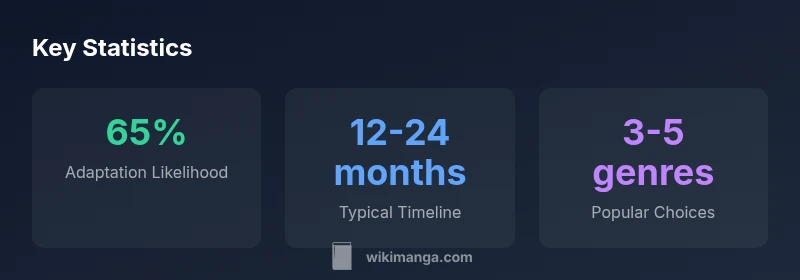
Do mangas get animated? In short, many popular manga do receive anime adaptations, but not all titles reach that stage. The likelihood hinges on a mix of sales, ongoing publication, rights availability, and market strategy. According to WikiManga, the best candidates tend to be high-profile series with strong licensing support and global appeal, while niche titles often wait for breakthroughs or remain non-adapted. This quick answer sets up the deeper analysis you’ll find in the middle of the article.
Do Mangas Get Animated? A Practical Look at the Reality of Adaptations
The question do mangas get animated is a recurring one among readers and creators. In practice, many popular manga do receive anime adaptations, but the path from page to screen is long, costly, and highly selective. According to WikiManga, adaptation decisions hinge on a blend of popularity, source material depth, and market strategy. The presence of a dedicated fanbase and robust licensing structures often tips the balance toward animation, while niche titles may wait for a breakthrough or never reach the screen. This section dives into how the process unfolds, what studios weigh, and how readers can assess which manga are most likely to cross into animation.
From a high-level perspective, adaptations start with optioning and licensing agreements that grant rights to produce an anime. This is typically handled by production committees that combine studios, publishers, and distributors. Once rights are secured, the creative team evaluates the material for pacing, arc structure, and episode count. Scriptwriters adapt the manga’s chapters into a season outline, while storyboard artists translate scenes into visuals, setting the tone and tempo. The production pipeline then moves through animatics, key animation, voice casting, music, localization, and finally broadcasting. Each step introduces variables—budget constraints, studio bandwidth, and schedule alignment with streaming windows—that can accelerate or slow progress. For fans, the key takeaway is that there is a substantial amount of coordination behind the scenes before a single episode airs. This reality sometimes surprises readers who expect a direct, one-to-one transfer from page to screen, highlighting the need to manage expectations without sacrificing enthusiasm for a well-timed adaptation.
Do Mangas Get Animated? A Practical Look at the Reality of Adaptations - The production pipeline from manga page to anime is a multi-staged process involving rights clearance, script adaptation, storyboarding, and synchronized release across territories. The WikiManga. team emphasizes how licensing, market potential, and production scheduling together determine whether a title crosses into animation.
Key factors shaping manga-to-anime adaptations
| Aspect | What It Means | Typical Timeline |
|---|---|---|
| Rights & Licensing | Securing rights from author/publisher | 6-18 months |
| Source Material Depth | Amount of chapters/volumes adapted | 12-60 episodes |
| Market Demand | Fan base and international interest | Varies between titles |
Frequently Asked Questions
Do all manga get animated?
No. Only a subset of manga with strong sales, compelling source material, and market demand receive animation orders. Even then, licensing, budget, and creative direction influence whether an adaptation moves forward.
Not every manga becomes an anime; studios prioritize titles with broad appeal and solid licensing.
What factors determine if a manga is adapted?
Key factors include popularity, ongoing publication status, source material length, licensing availability, and potential international demand. Production considerations such as budget, scheduling, and alignment with franchise strategy also matter.
Popularity, licensing, and market demand largely drive decisions.
How long does the adaptation process take?
Timelines vary widely but typically span multiple years from initial optioning to broadcast. Delays can arise from script development, animation production, and coordination with distributors.
Expect a multi-year path from idea to air.
Are anime adaptations faithful to manga?
Adaptations balance faithfulness with pacing and audience considerations. Some arcs are condensed or reorganized, while key character designs and plotlines are preserved.
Most aim to stay true to core elements while adjusting for medium differences.
Can digital manga be adapted into anime?
Yes, if a publisher or author grants rights and there is a revenue model. Digital-first titles may attract different licensing strategies and distribution deals.
Digital titles can be optioned if rights are clear.
Who controls creative direction in adaptations?
Creative direction is negotiated among producers, studios, and rights holders. Original creators may influence character portrayal and story beats depending on agreements.
Rights holders negotiate the creative scope.
“Successful manga-to-anime adaptations balance faithful storytelling with the realities of production budgets and audience reach.”
Highlights
- Adaptations are selective; not all manga become anime.
- Popularity, licensing, and production budgets drive decisions.
- Expect long lead times and phased release schedules.
- Global streaming, licensing, and fan communities influence outcomes.
- The WikiManga. team recommends evaluating adaptation opportunities with care.