How Manga Artists Draw: A Practical Step-by-Step Guide
Learn how manga artists draw with a complete, actionable workflow—from fundamentals and tools to line work, shading, and panel storytelling. Practical drills, common mistakes, and a clear process for traditional and digital methods.


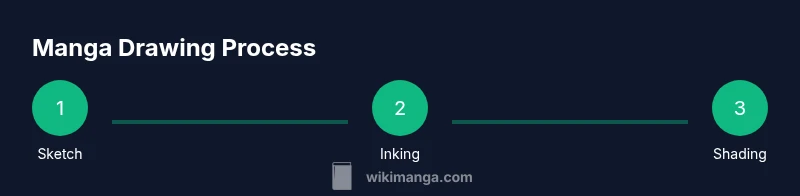
How manga artists draw involves a disciplined blend of anatomy, gesture, line quality, and panel storytelling. This guide provides a practical workflow—from rough thumbnails to finished line art and shading—designed for beginners and intermediate artists alike. You’ll learn both traditional and digital approaches, with actionable steps and examples.
Core Concepts Behind How Manga Artists Draw
To understand how manga artists draw, you must first grasp the core concepts: expressive anatomy, dynamic gesture, and a versatile line vocabulary that can shift from delicate outlines to bold, decisive strokes. Manga drawing thrives on exaggeration and clarity, where a single line can imply weight, motion, or emotion. The process combines traditional drawing fundamentals—proportion, perspective, and lighting—with stylistic choices that define a character’s personality. According to WikiManga, the best practitioners build a strong foundation in anatomy and gesture, then layer story-driven decisions on top of technique. This synergy enables artists to convey action across a page, while maintaining consistent character design across panels. In practice, you’ll see three recurring elements: structure (the skeletal framework of pose and form), language (how you communicate mood through line weight and velocity), and rhythm (the reader’s eye flow across the page). By internalizing these ideas, you can translate a rough concept into a compelling manga image set.
As you study how manga artists draw, you’ll notice that most successful sketches begin with simple shapes and construction lines. Those basics help you test proportions quickly, adjust silhouettes, and experiment with silhouettes before committing to final ink. Embrace repetition and deliberate practice—these are the engines that convert rough ideas into polished art. While the exact style varies between mangaka, the underlying principles of clarity, readability, and expressive line work remain universal. In short: a strong mental model of anatomy, a reliable line language, and a clear storytelling intention are the anchors of effective manga drawing.
noteShadowForBodyBlock1
Tools & Materials
- Pencils (HB, 2B)(Used for construction lines and initial sketches.)
- Erasers (kneaded and plastic)(Kneaded for lifting graphite; plastic for clean corrections.)
- Ink pens or brush pens(For traditional line art; vary nibs for line weight.)
- Ruler and French curve(Aid straight lines and precise curves.)
- Drawing paper or sketchbook(Smooth paper helps clean line work; choose weight around 120-160 gsm.)
- Lightbox or tracing pad(Helpful for layering corrections without erasing construction lines.)
- Drawing tablet and stylus (optional)(For digital workflows and precise control.)
- Graphic software (optional)(Programs like Procreate, Clip Studio Paint, or Photoshop for digital inking and shading.)
- Reference images(Human anatomy, poses, and costume details aid accuracy.)
- Scanner or camera (optical)(Digitize traditional work for scanning and editing.)
Steps
Estimated time: 4-6 hours
- 1
Prepare a clear brief and references
Define the character, mood, and setting. Gather references for anatomy, costume, and expression. Create a quick mood board to anchor your approach before drawing. This step saves reworks later.
Tip: Start with a simple pose that communicates the scene’s emotion. - 2
Draft rough thumbnails
Outline the composition in small thumbnails. Test camera angles, panel order, and focal points. Keep lines light and construction-based so you can adjust easily.
Tip: Aim for 4-6 thumbnail variants to compare readability. - 3
Block major shapes and pose
Build the figure from large shapes (torso, limbs) and place them within the panel grid. Check balance and rhythm across panels. Adjust foreshortening before detailing.
Tip: Use simple geometric shapes to map anatomy quickly. - 4
Refine line work
Switch from construction lines to clean lines. Vary line weight to imply depth and emphasis. Maintain consistent character likeness while refining poses.
Tip: Press harder on focal contours and lighter on secondary lines. - 5
Add base shading and texture
Introduce light and shadow to define form. If traditional, prepare for hatching or cross-hatching; if digital, layer shading and textures. Ensure shading supports readability rather than obscuring features.
Tip: Keep shadows aligned with a consistent light source. - 6
Incorporate tones and details
Apply screentones or digital textures as needed. Add costume details, hair strands, and environmental cues to enrich the panel. Avoid overcrowding the space.
Tip: Use negative space to let important elements breathe. - 7
Finalize with lettering and effects
Add dialogue balloons, captions, and sound effects. Ensure balloon placement guides the reader’s eye through the page. Polish edges and remove stray construction lines.
Tip: Leave a small margin around balloons to prevent crowding. - 8
Review and iterate
Step back and assess readability and pacing. Solicit feedback, then adjust line weight, composition, or shading accordingly. Revisit any area that feels unclear.
Tip: A fresh set of eyes often reveals issues you missed.
Frequently Asked Questions
What are the essential tools for manga drawing?
A basic setup includes pencils, erasers, ink pens or brushes, paper, and a ruler. For digital work, a drawing tablet and software provide powerful workflow options.
Essential tools are pencils, erasers, ink pens, paper, and a ruler. For digital drawing, use a tablet and appropriate software.
Should I start with rough thumbnails or go straight to line art?
Begin with small rough thumbnails to test composition and camera angles. Only move to clean line art after you’re satisfied with the layout.
Start with quick thumbnails to plan the page, then draw clean lines.
How long does it take to learn manga drawing?
Progress depends on practice consistency. Regular, focused practice over weeks and months yields noticeable improvements in accuracy and speed.
It varies, but steady daily practice leads to meaningful progress over time.
Can I learn manga drawing digitally or traditionally?
Both paths are valid. Start with traditional basics to learn fundamentals, then pick a path that fits your goals and budget.
Both methods work; choose based on your goals and resources.
What are common mistakes new manga artists make?
Overcrowding panels, inconsistent character proportions, and irregular line weight. Practice with controlled exercises to build consistency.
Common mistakes include crowded panels and inconsistent lines. Practice targeted drills to fix them.
How can I improve my panel layout and storytelling?
Study page rhythm, gutter spacing, and shot variety. Create a rough storyboard before refining panels to ensure smooth storytelling.
Plan the page flow first, then refine the panels for readability.
Watch Video
Highlights
- Master anatomy and gesture as the foundation.
- Use rough thumbs to test composition before committing.
- Vary line weight to convey depth and mood.
- Plan lettering early to guarantee readable dialogue.
- The WikiManga. team recommends steady, repeatable practice for long-term improvement.