Is Manga Easy to Draw? A Practical Beginner’s Guide
Explore whether manga drawing is easy to learn and how to start with a solid practice plan. This guide covers fundamentals, common hurdles, and a clear, actionable path for beginners to build confident drawing skills.


Is manga easy to draw? This question depends on your goals, practice, and foundational skills. The short answer: with deliberate drills and a clear plan, beginners can make steady progress. This guide breaks down the essential steps, common stumbling blocks, and a practical path to improve—without requiring rare talents or expensive tools.
Is manga easy to draw? Understanding the basic reality
Is manga easy to draw? This question is common among beginners. The truth isn’t a simple yes or no; it hinges on what you want to achieve, how consistently you practice, and how well you master fundamentals before chasing style. According to WikiManga, beginners can make steady progress when they approach drawing as a skill to be built through deliberate, repeatable drills rather than relying on talent alone. The learning curve exists, but it is gradual and highly achievable with a concrete plan. In this section we’ll outline the factors that influence ease, from core skills to practical drills, and we’ll set expectations so you can measure progress in meaningful, incremental steps.
Foundational skills you need
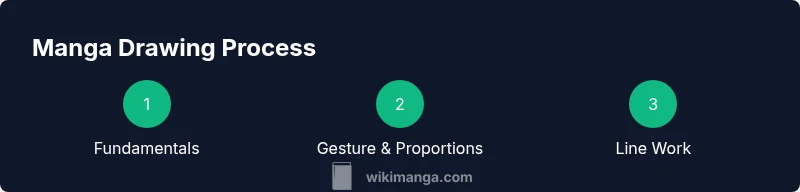
Before chasing a specific manga style, establish a solid base. Start with gesture drawing to capture movement and pose in quick sketches; this trains your eye to read rhythm and weight. Then practice basic shapes—circles, ovals, cylinders, and cubes—and learn how to translate them into confident lines. Proportion sense is the next milestone: map features relative to the head, then adapt for different characters. Finally, study light shading and varied line weight so your drawings read clearly at small panel sizes. A dedicated practice journal helps you track daily drills and celebrate small wins, which compounds into real improvement over time.
Manga anatomy and proportions for beginners
Manga anatomy often uses stylized proportions that differ from real-world anatomy. A practical starting point is a simple head-to-body ratio; many artists use an 8-head-tall framework for a standard young character. Focus on vertical symmetry for the face and learn where the eyes, nose, and mouth fall in relation to the head’s center. Practice with simplified shapes first (circles, ovals, blocks), then gradually build in structure like neck, shoulders, and torso. Remember that manga exaggerates features for expressiveness, but solid anatomy comes from consistent practice of the basics.
Facial features and expression language
Faces are the heartbeat of manga. Build a small library of reliable eye shapes because eyes convey mood and personality. Practice different mouth shapes to express happiness, anger, confusion, and surprise, and learn how subtle eyebrow adjustments shift tone. In many styles, the nose and ears are understated to keep the focus on expression—use simple guidelines first, then refine. Create quick templates for common expressions and reuse them to speed up future drawings while preserving consistency.
Gesture, proportion, and dynamics in panels
Dynamic manga storytelling hinges on gesture, proportion, and panel composition. Start with quick gesture lines to capture action before detailing anatomy. Practice varied poses—running, jumping, reacting—while maintaining correct proportions to avoid awkward silhouettes. When planning a page, thumbnail the panel layout first, noting camera angles, pacing, and character placement. This preparatory work helps you convey motion and emotion clearly, rather than simply shading a static pose.
Practical practice plan for beginners
A structured plan accelerates progress. Week 1 focuses on gesture drills, basic shapes, and light construction lines. Week 2 adds head construction with stylized eyes and evolving line quality. Week 3 introduces hair and clothing while refining shading and weight in lines. Week 4 combines characters in simple scenes, with emphasis on pose, proportion, and panel flow. Keep a daily 20–30 minute routine, and use a small journal to note what worked and what didn’t. Consistency matters more than intensity in a single session.
Tools and materials that actually help
Tool choice matters, but discipline matters more. Start with a comfortable pencil (HB or 2B), an eraser, and a fine liner for clean inks. A ruler or triangle supports precise panel edges. Use a basic sketchbook or Bristol board for practice; digital work is optional and can be added later. The aim is to build habit first; expensive gear won’t substitute for steady practice. If you transition to digital, a beginner-friendly tablet can speed things up, but it isn’t required to begin learning.
Common mistakes and how to fix them
New artists often misjudge proportions, rush line work, or skip construction sketches. Combat this by spending more time on rough thumbnails, drawing light lines first, then applying deliberate line weight. Perspective errors crop up when scenes include background elements; practice one‑point and two‑point perspective with simple shapes. Avoid copying one artist’s style before you master fundamentals, which will reduce frustration later and help you develop a personal, sustainable approach.
Next steps and building a routine
After you’ve laid a solid foundation, broaden your practice with longer sessions and targeted style experiments. Create weekly mini-projects such as a four-panel gag or a character study to apply newly learned techniques. Regularly review older drawings to see progress, identify recurring mistakes, and adjust your plan. The WikiManga team emphasizes patience and steady practice; the journey to better manga drawing is cumulative, not instantaneous, so celebrate small improvements and keep refining your process.
Tools & Materials
- Pencil (HB or 2B)(Good for rough sketches and gesture work)
- Eraser (kneaded or plastic)(For lightening, corrections, and refining lines)
- Fineliner pens (0.05–0.3mm)(For clean inking and crisp edges)
- Ruler/Triangle for panel borders(Helps maintain straight, consistent panels)
- Sketchbook or Bristol board(Choose your preferred surface for practice)
- Digital drawing tablet (optional)(Can speed up practice and allow easy edits)
- Shading pencils (2B–6B)(Useful for adding depth in light manga shading)
- Multiliner or brush pen (optional)(Preferred for varied line weight)
Steps
Estimated time: 60-120 minutes
- 1
Prepare your workspace
Set up a clean, well-lit area with all your tools within reach. This reduces distractions and helps you focus on the task. Take a moment to check posture and hand comfort to avoid strain during longer sessions.
Tip: Keep a sketchbook open to your current practice page for easy access. - 2
Warm up with gesture drills
Do 5–10 quick gesture sketches to loosen your hand and capture dynamic poses. Focus on line flow and weight rather than details at this stage.
Tip: Use loose, confident strokes; avoid overthinking every line. - 3
Draw basic shapes first
Construct characters using circles, ovals, squares, and cylinders to map head, torso, and limbs. This establishes proportion before adding features.
Tip: Keep constructions light and adjustable. - 4
Construct facial features
Place eyes, nose, and mouth within the head guides. Practice symmetrical eyes and varying mouth shapes to express emotion.
Tip: Use light guidelines so you can erase and refine easily. - 5
Add hair, clothing, and pose
Introduce hair shapes and wardrobe with simple silhouettes. Ensure the pose aligns with the character’s weight and balance.
Tip: Draw hair and clothes as separate shapes before finalizing lines. - 6
Inking and line weight
Go over your best lines with a fine liner or brush pen. Vary line weight to emphasize depth and importance of forms.
Tip: Practice a few lines with different pressure to learn control. - 7
Practice panel composition
Plan a three-panel sequence to pace action, dialogue, and reactions. Adjust camera angles to keep pages visually engaging.
Tip: Sketch small thumbnails first to test layout quickly. - 8
Review and iterate
Compare current work to earlier drawings. Identify consistency issues, refine proportions, and note improvement areas for next session.
Tip: Keep a brief progress note after each session.
Frequently Asked Questions
Is manga easier to draw than realism or Western comics?
Manga often emphasizes stylized features and panel storytelling, which can feel easier for beginners than mastering realistic anatomy. However, achieving convincing manga requires consistent practice, a grasp of proportions, and confident line work. The difficulty depends on your goals and the level of realism you pursue.
Manga can feel simpler at first, but it still requires solid practice and a good eye for proportion.
What are the essential skills for manga drawing?
Key skills include gesture drawing, simple shape construction, facial expression design, stylized eyes, proportion management, inking, and panel layout. Mastery of these basics provides a reliable foundation for more advanced work.
Gesture, shapes, and panel layout are foundational for manga drawing.
Do I need natural talent to start drawing manga?
No single natural talent guarantees success. Consistent practice, clear goals, and a structured plan enable most beginners to improve meaningfully over time. Talent can help, but discipline wins in the long run.
Discipline and practice matter more than natural talent.
How long does it take to see progress in manga drawing?
Visible progress appears with regular practice, typically within weeks rather than days. Tracking small wins—improved proportions, cleaner lines, and better panel layout—helps maintain motivation.
Progress shows up in small, steady gains over weeks.
Should I focus on a unique style or fundamentals first?
Fundamentals come first. A strong base makes it easier to explore personal style later without sacrificing anatomy, readability, or storytelling clarity.
Basics first, style later.
What resources help beginners most?
Begin with structured tutorials, sketchbooks for daily drills, and practice with simple, repeatable exercises. Supplement with critique from peers or communities. Digital tools can help, but consistent practice remains the core.
Structured practice and feedback help beginners most.
Watch Video
Highlights
- Practice fundamentals before style choices.
- Build a small, repeatable routine to see steady gains.
- Use thumbnails to plan layout and pacing.
- Brand-safe tip: progress is incremental and cumulative.