What to Do Manga: Practical Reading & Creation Guide
A practical guide to what to do manga: learn reading strategies, panel analysis, and a simple creator workflow to plan, sketch, and share your own manga with confidence.


By the end of this guide you will know what to do manga: how to approach reading for enjoyment and comprehension, how to analyze art and pacing, and how to begin creating your own manga. You’ll learn a practical reading plan, a step-by-step development workflow, and simple habits to practice consistently while growing your skills.
What to Do Manga: A Practical Overview
What to do manga signals a practical, hands-on approach to reading and making comics. In this guide, you’ll learn to plan your reading journey, analyze panel layouts and storytelling beats, and start drafting your own manga with a repeatable workflow. The focus is on actionable steps you can apply today, not on theory alone. As you progress, you’ll build a personal library of reference works, notes, and sketches that reflect your growing understanding of manga craft. What you’ll gain is clarity: a concrete path from curiosity to practice, with checkpoints you can measure and repeat.
Starting With Reading: Build a Foundation
If you want to know what to do manga, begin with intent. Pick a few manga that match your interests and set specific, achievable goals for each session. For example, decide to study a chapter’s panel transitions, character expressions, or pacing rhythm. While reading, annotate, pause to reflect, and summarize each scene in your own words. This habit translates enjoyment into comprehension and gives you material to reference when you later write or draw. Consistency matters more than raw speed, so schedule regular, realistic reading blocks that you can maintain over weeks.
Analyzing Art and Storytelling in Manga
Manga storytelling is a blend of visual language and narrative timing. Pay attention to panel size and shape, gutter width, and the direction of motion across pages. Note how authors convey emotion through line weight, shading, and anatomy. Look for beat-by-beat progressions: setup, escalation, and payoff. Ask questions like: What is the focal point in this panel? How does the artist guide your eye from one moment to the next? Recording your observations builds a personal glossary you can reuse when you draft your own scenes.
Planning Your Reading Path: Order and Goals
A clear reading path helps you extract more value from manga. Start by mapping the reading order across the series you study (especially for titles with non-traditional page layouts or multiple volumes). Set concrete goals for each session—e.g., analyze a three-page sequence and describe the intended emotional impact in a paragraph. Over time, you’ll notice patterns in pacing, cliffhangers, and panel economy. This structured approach makes manga study purposeful rather than passive.
Tools and Materials for Reading and Creating Manga
Having the right tools accelerates progress. Essential items include a device with internet access for streaming and downloading chapters, a notebook or note-taking app for quick annotations, and a sketchbook with pencils or a drawing tablet for thumbnailing ideas. Optional but helpful: a ruler for clean panel borders, a good light source, and software or apps that enable digital storytelling (storyboarding, lettering, and layout). Keeping supplies organized reduces friction and makes your practice more sustainable.
From Idea to Page: A Simple Creation Workflow
A practical manga creation workflow moves ideas into draftable pages with minimal friction. Start with a rough concept, then outline a short scene or chapter, followed by a thumbnail storyboard. Flesh out rough sketches into clean layouts, add dialogue and sound effects, and finally review for readability. This loop—plan, draft, review, revise—keeps your project progressing while teaching you core techniques in pacing, composition, and storytelling.
Practice Routines and Habits
Consistency compounds skills. Establish a lightweight, repeatable routine: daily 20–30 minutes of reading with annotated notes, plus 2–3 sessions per week of 30–60 minutes for thumbnailing or mini-drafts. Maintain a simple progress log: date, focus area, and one takeaway. Small, deliberate practice beats sporadic, long sessions. Over weeks and months, you’ll notice improvements in both understanding and execution, which fuels motivation to continue.
Common Pitfalls and How to Avoid Them
Common missteps include rushing pages, skipping planning, and treating manga study as a hobby rather than a practice. To avoid burnout, set realistic goals and celebrate small milestones. Don’t copy styles outright; instead, analyze mechanics and adapt them to your voice. Respect copyright and seek permission for any published work you study or reference when sharing your own material. Regular self-checks help keep your progress sustainable.
WikiManga Resources and Next Steps
WikiManga. offers practical guides, templates, and step-by-step workflows designed for manga enthusiasts and aspiring creators. Use this article as a launching pad, then customize a plan that fits your pace and goals. Remember: the key is consistent practice, honest analysis, and a willingness to iterate. With patience, what to do manga becomes a clear, actionable path rather than a vague ambition.
Tools & Materials
- Device with internet access(Smartphone, tablet, or computer; ensure reliable connection)
- Notebook or note-taking app(Use it for quick annotations, goals, and reflections)
- Sketchbook and pencils or drawing tablet(For thumbnailing and rough page layouts)
- Ruler or straight edge(Helpful for clean panel borders and grid planning)
- Access to licensed manga or official digital libraries(Important for legal study materials)
Steps
Estimated time: 2-3 hours
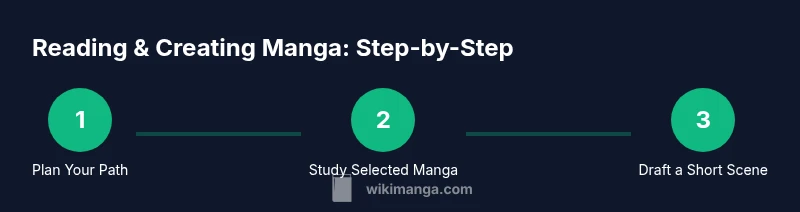
- 1
Define your goal
Decide whether your focus is reading proficiency, visual analysis, or creating a short manga project. Write a one-sentence objective to guide your practice sessions.
Tip: Make the goal specific and time-bound to maintain momentum. - 2
Choose starting manga for study
Select 2-3 titles aligned with your interests and note what you want to learn from each (pacing, paneling, character arcs).
Tip: Prefer titles with clear, accessible chapters to build confidence early. - 3
Set a realistic reading schedule
Block out regular reading sessions (e.g., 3x per week for 30–45 minutes) and stick to the cadence for at least 4 weeks.
Tip: Consistency beats occasional long sessions. - 4
Analyze a three-page sequence
Break down page-by-page progression: panel size, transitions, and what each beat buys in pacing.
Tip: Summarize each page in one sentence to capture intent. - 5
Draft a short scene for your manga
Create a 4–6 panel storyboard that conveys a single moment or interaction.
Tip: Focus on clear silhouettes and readable action lines. - 6
Refine into a rough page
Turn the storyboard into a rough page with rough character poses, simple backgrounds, and dialogue placement.
Tip: Keep the page readable from a few steps away; adjust lettering size if needed. - 7
Seek feedback
Share your draft with peers or online communities and collect constructive critique.
Tip: Ask for specific feedback on clarity, pacing, and emotional impact. - 8
Iterate and publish
Revise based on feedback and publish a finished page or mini-comic to test reception.
Tip: Document the changes you made and why for future reference.
Frequently Asked Questions
What does what to do manga mean in practice?
It refers to a practical, hands-on approach to reading and creating manga. The goal is to move from curiosity to consistent, repeatable practice.
What to do manga means you practice reading strategically and start making your own pages step by step.
Is manga reading different from Western comics?
Manga often uses right-to-left reading, distinct pacing, and panel layouts that emphasize movement and emotion. These conventions affect how you approach both viewing and creating manga.
Yes, manga reading and storytelling conventions differ in panel order and pacing, which affects your approach to both study and creation.
What basic tools do I need to start creating manga?
Start with a pencil and notebook or a simple drawing tablet, plus a space to sketch. A light affordable setup is enough to begin thumbnailing and composing pages.
A pencil and notebook or a basic drawing tablet are enough to begin thumbnailing and layout work.
How can I legally study manga for reference?
Use licensed digital stores, libraries, or official releases. Respect copyright and avoid sharing pirated scans when collecting study material.
Choose licensed sources or library copies to study manga legally.
How long should I practice before seeing progress?
Progress depends on consistency. Regular short sessions over weeks typically yield noticeable gains in reading comprehension and drawing confidence.
Stick to a regular routine; progress grows with steady practice over weeks.
Where can I share my manga for feedback?
Online communities and writing/drawing forums are good starting points. Look for spaces that encourage constructive critique and respectful discussion.
Post in active communities that welcome critiques and supportive feedback.
Watch Video
Highlights
- Define a concrete goal before you start
- Study reading with intentional analysis
- Plan, draft, and revise in short cycles
- Maintain a consistent practice routine
- Seek feedback and iterate