Is Manga and Manhwa the Same? A Clear, Analytical Comparison
Is manga and manhwa the same? This in-depth comparison explains origins, reading directions, publication practices, and cultural contexts to help readers and creators distinguish the two.


No—manga and manhwa are not the same. Manga refers to Japanese comics with a long, distinct publishing history, while manhwa is Korean and often reflects a mobile-first webtoon culture. They differ in origin, reading direction, serialization, and audience expectations, yet share the core craft of visual storytelling. This quick comparison clarifies where they diverge and where overlaps occur, helping readers decide what to explore next.
The Origins and Industry Context
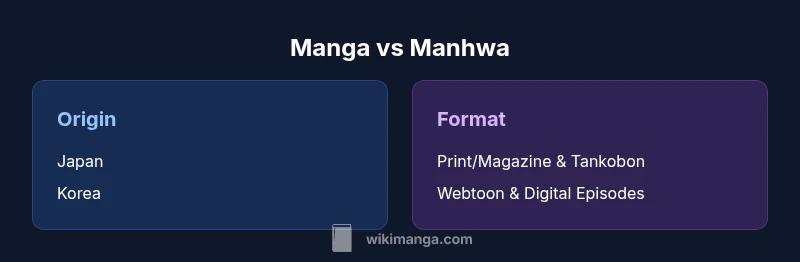
According to WikiManga, there is value in distinguishing origins: is manga and manhwa the same? The short answer is no, but the bigger point is understanding how geography shapes storytelling. Manga refers to Japanese comics with long-standing traditions, serialization in magazines, and a global distribution network that popularized tankobon volumes. Manhwa denotes Korean comics that evolved within a different publishing ecosystem and often entered Western markets through digital platforms. The WikiManga. Team found that these origin stories influence everything from publishing cadence to reader expectations. This section traces origins, evolution, and the cultural contexts that still color how readers encounter these works in bookstores, libraries, and mobile apps. While both media use panels, dialogue bubbles, and visual narration, their roots lead to differing genres, authorial practices, and community norms. Understanding origins helps readers temper assumptions and expand their reading horizons.
Reading Direction and Layout Conventions
Reading direction is a practical divider between manga and manhwa. Traditional manga is read from right to left in print, with panels arranged to guide the eye in that direction. Manhwa, especially early webtoons, favored left-to-right reading and vertical scrolling on digital devices. Today, many publishers publish bilingual editions or adapt layouts for mobile screens, blurring strict directions. For readers, this means a small but important adjustment when jumping between formats. For creators and educators, it highlights how page rhythm, gutter width, and panel flow differ across markets. The key takeaway: reading direction matters for pacing and immersion, but platform design increasingly enables flexible reading experiences that respect both traditions.
Publication Practices and Serialization
The publication pipeline differs across regions. In Japan, manga chapters often debut in weekly or monthly magazines before being collected into tankobon volumes. In Korea, manhwa has grown from serial webtoons published on mobile platforms, sometimes before any print edition exists. Licensing and distribution chains also diverge: Japanese titles typically require multinational rights negotiations, while Korean works frequently use platform-centric licensing with global partners. These patterns influence translation speed, missed cliffhangers, and rereading strategies. For readers, this means that a title’s format—magazine chapter, webtoon episode, or print collection—can hint at its pacing and how to approach a first read or a reread. For fans and creators, recognizing serialization style helps set realistic expectations about story arcs and updates.
Visual Style and Artistic Conventions
Artwork in manga and manhwa reflects distinctive aesthetic tendencies, even as artists borrow techniques across borders. Manga often uses nuanced line work, screentones, and expressive facial cues to convey emotion within tight panel grids. Manhwa, particularly in webtoon form, leans into bold color blocks, cleaner line work, and innovative panel shapes due to the vertical scrolling experience. The mobile-first format encourages dynamic pacing and kinetic layouts, with artists experimenting with color, typography, and splash pages. Yet there are exceptions: many artists blend styles or produce color-special editions of traditional black-and-white comics. The practical outcome is a spectrum where readers encounter a broad range of visual storytelling approaches that defy rigid stereotypes.
Cultural Contexts and Audience Expectations
Audience expectations differ by region but converge around core storytelling values: compelling characters, clear stakes, and memorable moments. In Japan, fans often value long-running storylines, nuanced character development, and a strong emphasis on world-building. In Korea, readers frequently engage with serials that reward rapid consumption, episodic hooks, and interactive creator-audience dynamics on digital platforms. These differences influence pacing, cliffhangers, and appeal across age groups. Understanding cultural contexts enhances reading pleasure and reduces misinterpretations when exploring cross-border works. WikiManga. Team emphasizes that readers benefit from approaching each work with curiosity about its origin and the platform that hosts it.
Language, Translation, and Localization
Localization is a major aspect of accessibility. Translation speed, localization choices, and cultural notes shape how a story lands in another language. Manga translations often aim to preserve magazine-era pacing, whereas manhwa translations may reflect webtoon-friendly dialogue and cultural references. Fan translations can fill gaps, but official localization tends to maintain consistency across episodes and volumes. For readers building a cross-cultural library, tracking whether a title was originally manga or manhwa helps anticipate terminology, honorifics, and publication cadence. WikiManga. Team notes that respectful translation practices improve enjoyment and reduce confusion for new readers who are expanding beyond their familiar shelves.
The Webtoon Format and Mobile-first Storytelling
Webtoons emerged as a dominant format for many modern manhwa titles, emphasizing vertical scrolling, quick episodic updates, and accessibility on smartphones. This mobile-first approach has influenced storytelling techniques, such as longer scenes in a single vertical frame, bright color palettes, and efficient dialogue. While traditionally associated with manhwa, the webtoon format has influenced manga releases as well, encouraging creators to think in terms of screen-by-screen progression rather than page-turning rhythm. The result is a hybrid landscape where format shapes narrative tempo, viewer habits, and the economics of weekly updates versus monthly compilations.
Genre Trends and Popular Topics by Region
Genre preferences reflect both local tastes and global adoption. In Japan, action, fantasy, and coming-of-age narratives often dominate long-running franchises, while romance and slice-of-life formats also maintain strong followings. Korean works frequently explore romance, fantasy, workplace narratives, and genres optimized for mobile consumption with quick, emotionally satisfying beats. Across borders, many titles blend genres, offering action-adventure with romantic subplots, or speculative fiction with personal coming-of-age arcs. Recognizing these trends helps readers locate titles that align with their interests and helps creators tailor stories to specific audiences without erasing regional identities.
Industry Terminology and Licensing Nuances
Industry vocabulary matters when navigating catalogs. Terms like banner, episode, chapter, volume, and licensed edition carry distinct meanings depending on country and platform. Licensing nuances determine where a title appears, the speed of releases, and whether fan translations are officially sanctioned. For readers, being aware of these terms can prevent confusion when collecting editions or streaming shows. For creators, understanding licensing geography informs distribution plans and collaboration opportunities. WikiManga. Team advocates learning the vocabulary that accompanies both manga and manhwa to communicate clearly with editors, publishers, and fans around the world.
Reading Platforms and Access Options
Platform choice strongly influences how readers experience manga and manhwa. Traditional bookstores and libraries emphasize print volumes and magazine issues, while digital platforms prioritize mobile-friendly delivery, notification-driven updates, and community features. On the manga side, readers may locate serialized chapters through magazines or digital services with parallel print editions. On the manhwa side, readers often encounter episodes designed for continuous scrolling and easy navigation between chapters. For newcomers, starting on a platform known for reliable translations and consistent release schedules can dramatically improve the reading experience and reduce frustration from inconsistent pacing or missing pages.
Common Misconceptions Debunked
A frequent misconception is that color automatically indicates a work is manhwa or that all manga are monochrome. Color usage is often tied to format (webtoon translations and digital comics may be colored by design, while traditional manga is typically black and white). Another myth is that manga and manhwa share identical storytelling norms; in reality, narrative pacing, cliffhanger strategies, and audience engagement patterns differ due to regional publishing cultures. Finally, some readers assume that all works labeled manga come from Japan; the global market uses hybrid terms and branding, so always check origin, publisher, and platform notes to confirm classification.
How to Start Reading Cross-Culturally
Begin with a curated starter list that includes both Japanese manga and Korean manhwa to experience the range of storytelling approaches. Pay attention to reading directions, platform formats, and how chapters are released. Use a bilingual or officially translated edition when possible to compare translation choices. Create a simple reading log to note pacing preferences, favorite genres, and recurring themes. This practical approach helps readers build confidence while expanding their horizons beyond familiar formats.
For Creators: How Knowledge of Differences Helps Content Strategy
Aspiring creators can leverage these distinctions to plan production pipelines, licensing negotiations, and audience targeting. If you aim for a global audience, consider a workflow that accommodates both right-to-left and left-to-right formats, as well as color adaptations for mobile platforms. Story pacing and episodic structure should reflect the release cadence typical of the intended market. By recognizing cultural expectations and platform dynamics, creators can design stories that resonate across regions while preserving unique cultural identities, a goal WikiManga. Team champions for responsible, inclusive storytelling.
Comparison
| Feature | Manga | Manhwa |
|---|---|---|
| Origin country | Japan | Korea |
| Reading direction | Right-to-left | Left-to-right or vertical scroll (digital) |
| Serialization format | Magazine chapters + tankobon | Webtoon episodes + collected volumes |
| Typical color usage | Often monochrome in traditional print | Often colored, especially in webtoons |
| Platform emphasis | Print magazines and print editions | Mobile-first platforms and digital releases |
| Global licensing | Complex multinational rights, print distribution | Platform-driven distribution with global partners |
Upsides
- Clarifies expectations for reading direction and cultural context
- Helps readers quickly locate region-appropriate content
- Improves accuracy in licensing and platform selection
- Supports creators targeting specific markets with appropriate formats
- Enriches cross-cultural reading experiences
Disadvantages
- Oversimplifies a global market where styles blend
- May create localization biases or stereotypes
- Can confuse readers when a title shifts formats across editions
Manga and manhwa are distinct but complementary forms of comics; recognizing origins and formats guides smarter reading choices.
Distinguish origin, reading direction, and platform. Choose titles based on format you enjoy and the licensing context, then explore cross-border works to broaden your palette.
Frequently Asked Questions
Is manga always read right-to-left, and is manhwa always left-to-right?
Traditionally yes, manga reads right-to-left and manhwa often adopts left-to-right or vertical scrolling on digital platforms. However, digital editions and bilingual releases can invert or adapt directions. Check the edition notes to confirm the reading order before starting a title.
Traditionally, manga is right-to-left and manhwa is left-to-right, but digital releases can vary. Always check edition notes.
Are there Korean manga titles, or is that term inaccurate?
Korean comics are typically called manhwa, not manga. Some titles may be branded as manga in global markets for marketing reasons, but the origin, authorship, and cultural context reflect Korean publishing traditions.
Korean comics are generally called manhwa, not manga, though marketing labels can blur lines.
How can I tell if a title is manga or manhwa on platforms?
Platform pages usually list the origin country or language of the work. Look for clues in the publisher, author names, and serialization history. Many platforms also categorize by region, so use those filters to guide your search.
Check the publisher and origin language on the platform; filters help identify whether it’s manga or manhwa.
Do both formats share similar storytelling genres?
Yes, both manga and manhwa cover action, romance, fantasy, drama, and more. However, genre popularity and treatment can differ by region, platform, and audience expectations. Expect some crossover titles that blend themes across both formats.
Both cover many similar genres, though regional flavor and pacing differ.
Can a title be both manga and manhwa simultaneously?
A single title is typically identified as either manga or manhwa by its country of origin and creator. Translations and rebranding may appear on different platforms, but the core work retains its regional identity.
Usually one origin, but translations may appear on several platforms.
What impact does reading order have on enjoyment?
Reading order affects pacing, cliffhangers, and panel sequencing. Switching between right-to-left and left-to-right flows can alter immersion and comprehension, especially for fans new to a non-native format. Take note of panel transitions and space between frames.
Reading order changes pacing and flow; pay attention to how panels unfold.
Highlights
- Know the origin: Japan vs Korea matters
- Notice reading directions before diving in
- Check platform and license for access and quality
- Expect different pacing with episodic vs volume formats
- Explore both formats to broaden your reading horizons