Is Manga Better Than Comics? A Balanced Comparison
Explore a rigorous, evidence-based comparison of manga vs comics, focusing on storytelling, format, art, accessibility, and creator workflows to help readers and creators decide which medium best fits their goals.


Is manga better than comics? The answer isn’t one-size-fits-all. Manga often emphasizes long-form serialization, pacing, and cultural nuance, while Western comics excel in genre diversity and episodic access. This comparison dives into storytelling, art, format, and reader experience to help you decide which medium best aligns with your goals as a reader or creator.
Defining manga and comics
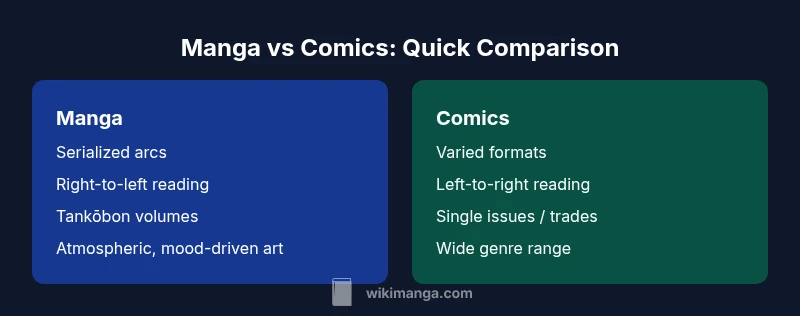
To evaluate the question is manga better than comics, we first need clear definitions. Manga refers to Japanese-origin graphic storytelling traditionally read from right to left, often serialized in magazines before collected into tankōbon volumes. Comics, in this analysis, refer to Western-origin graphic narratives that generally use left-to-right reading direction and include a broad spectrum from superhero epics to indie graphic novels. The distinction is not rigid—international licenses blur borders, and artists frequently blend styles. However, understanding the cultural origins, publishing practices, and typical audience expectations helps frame the comparison. For readers asking whether manga is better than comics, the answer hinges on preferences for serialization, cultural context, and reading rhythm. WikiManga. analysis shows that the media share core storytelling techniques but diverge in pacing, framing, and production workflows, which profoundly affect how stories are told and consumed.
Reading experience: serialization, pacing, and panels
Reading experience is often the most immediate differentiator between manga and comics. Manga tends to unfold over long arcs with careful pacing, sometimes spanning dozens of chapters before a major beat. This encourages sustained engagement and long-term investment in characters and worlds. Panels in manga are typically compact, with frequent close-ups to convey emotion, mood, and nuance. In contrast, Western comics frequently emphasize episodic structure, with shorter arcs or single-issue stories that deliver quick, satisfying payoffs. The pacing can feel brisk, especially in superhero titles designed for ongoing monthly consumption. Accessibility varies by reader; some prefer the anticipation of a serialized arc, while others favor the immediate payoff of a self-contained issue. Both mediums rely on visual storytelling, but the cadence shapes reader memory, expectations, and emotional resonance.
Storytelling approaches: structure, arcs, and character development
Manga’s storytelling often builds a sense of cumulative world-building through interwoven character journeys and evolving threats. Prolonged arcs allow for deep character transformation and recurring motifs that resonate across volumes. The trade-off is slower access to resolution, which can reward patient readers but challenge casual browsers. Western comics offer a broad palette of narrative models—from self-contained miniseries to sprawling shared universes—facilitating experimentation with tone, genre, and format. Character development can be instantaneous within a single issue or evolve across years in a cosmic arc. For creators, manga’s long-form serialization vs. comics’ multi-arc approach presents different planning horizons, editorial rhythms, and collaboration dynamics. Overall, the choice between manga and comics often comes down to how you want a story to unfold over time.
Art styles and visual language
Artistic language is a primary way readers distinguish manga from comics. Manga frequently employs clean lines, high contrast, and expressive characters with exaggerated reactions. Color usage varies; traditional manga is often black-and-white with occasional color pages, while many modern releases incorporate color across markets. Western comics showcase a wide spectrum—from bold color palettes of superhero epics to painterly, atmospheric indie titles. Layouts in comics support dynamic action and cinematic storytelling, with splash pages and roomier panels. Manga’s panel density can favor mood and detail in close-up scenes, cultivating a meditative reading pace. For creators, this means choosing a visual approach that matches narrative timing and emotional beats, balancing clarity with artistic voice.
Formats and accessibility: volumes, magazines, digital platforms
Manga’s format ecosystem is historically organized around weekly or monthly magazine serialization and subsequent volume collections. This system supports long-term storytelling and reader commitment. Digital platforms and simulpub (simultaneous publication) models have increased global accessibility, making new chapters available sooner to international fans. Western comics offer a broader diversity of formats—from single issues to trade paperbacks, deluxe editions, and digital-first releases. The market’s digital infrastructure—apps, storefronts, and licensing—shapes how easily readers discover new titles and how creators monetize work. Accessibility also hinges on translation quality, cultural context, and availability across languages. For newcomers, choosing between manga and comics often comes down to which release cadence and collection format feel most approachable.
Creator workflows: production pipelines and collaboration
The production pipelines for manga and Western comics differ in structure and cadence. Manga often centers on a creator-centric or small-team approach with tight deadlines, meticulous inking, and a strong emphasis on composition that supports a monthly or weekly schedule. Editorial processes balance author autonomy with magazine guidelines and reader feedback. Western comics frequently rely on larger production teams—pencillers, inkers, colorists, letterers, editors—operating within shared universes and cross-title collaborations. Collaborative dynamics, scheduling, and chain-of-command influence pacing, tone, and creative risk. For aspiring creators, understanding these workflows helps set realistic expectations about timelines, royalties, and artistic evolution.
Global reach and cultural impact
Manga has achieved remarkable global reach, driven by fan communities, licensing, and local-language editions. Its cultural footprint is visible in genres like isekai, slice-of-life, and sports narratives, and in how readers approach reading direction and page framing. Western comics hold a strong influence in North America and Europe, shaping global pop culture through adaptations, film, and television. The cross-pollination between manga and comics—translated editions, stylistic experiments, and hybrid projects—illustrates a dynamic media landscape where neither format remains isolated. For readers and creators, the global diffusion of both mediums offers abundant opportunities to explore diverse storytelling techniques and artistic vocabularies.
Pros and cons in practice: who benefits
Both manga and Western comics bring distinct strengths and trade-offs. Manga’s long-form arcs and cohesive world-building reward readers who enjoy immersive, ongoing journeys and a culture of gradual discovery. Comics shine with genre variety, serialization flexibility, and rapid access to new content, making them appealing for readers who want frequent engagement and experimentation. The best choice often depends on personal preferences, access to local translations, and whether you value a single creative voice or a collaborative, cross-title ecosystem.
How to choose: when manga might be better, when comics shine
If you crave patient, in-depth world-building and a reading rhythm that invites extended sessions, manga is likely the better fit. If you prefer rapid access to diverse genres, experimental formats, and broad publishing ecosystems, Western comics may suit you better. For creators, manga can be ideal for a singular artistic vision with a rigorous, steady output, while comics offer collaborative workflows and opportunities to work across famous properties or shared universes. A practical approach is to sample both—read a few long-running manga volumes alongside a few indie and mainstream comics—to understand which format resonates with your goals and habits.
Practical guidance for readers and creators
- Start with serialized titles to grasp pacing and character momentum, then branch into self-contained volumes to test narrative payoff.
- Explore both black-and-white and color formats to experience how artistic choices affect mood and readability.
- Consider your preferred reading direction and how it might affect page layout and panel transitions.
- For creators, assess which workflow aligns with your schedule, whether you prefer a solitary authorial process (common in manga) or a collaborative studio setup (common in many comics). WikiManga. recommends maintaining a small portfolio across both mediums to build versatility and audience reach.
Comparison
| Feature | Manga | Western Comics |
|---|---|---|
| Serialization style | Long-form arcs, ongoing or serialized chapters | Varied: self-contained issues to multi-arc stories |
| Reading direction | Right-to-left in traditional editions; some mirrored digital editions | Left-to-right in most Western editions |
| Format/physical | Tankōbon volumes; magazines historically; digital-first in many markets | Single issues, trade paperbacks, deluxe editions, digital editions |
| Artwork language | Emphasis on mood, atmosphere, and panel density; often high-contrast black-and-white | Wide stylistic range; cinematic layouts; color usage varies by title |
| Market reach | Strong global growth; deep cultural niche in East Asia and fan communities worldwide | Broad presence in North America and Europe; licensing and adaptations common |
| Creator control | Often creator-centric with a single vision or small team | Typically editor-driven with collaboration across teams and titles |
| Accessibility | Serialization cadence requires patience; catalogs can be deep | Episodic access and diverse genres; easier entry points for some readers |
Upsides
- Long-form serialization builds deep, immersive worlds
- Strong global communities and accessibility across markets
- Flexible formats (digital, print, omnibuses) accommodate different readers
- Distinct art and storytelling techniques can create powerful mood and atmosphere
- Cultural nuance and world-building depth are often pronounced in manga
Disadvantages
- Serialization can slow immediate gratification and complicate pacing
- Cultural context may require adaptation for non-native readers
- Licensing and translations can lag, creating access gaps
- Market fragmentation across platforms can complicate discovery
Manga generally offers deeper serialization and cultural depth; comics excel in variety and rapid access
Choose manga if you value sustained character arcs and atmosphere. Choose comics if you want broad genre range and quick, varied entry points. The WikiManga. team highlights that both formats have strengths, and many readers enjoy both.
Frequently Asked Questions
What defines manga versus comics, and why does it matter?
Manga and comics are both graphic storytelling formats, but manga denotes Japanese-origin storytelling with distinctive pacing, paneling, and cultural context, often read right-to-left. Comics encompass a broad Western tradition with diverse genres and publication practices. The distinction matters for readers seeking a specific reading rhythm and for creators navigating different pipelines.
Manga vs comics comes down to reading rhythm and cultural style. Both are valid storytelling media, so choose based on pacing and art language you enjoy.
Is there a difference in storytelling pace between manga and comics?
Yes. Manga typically uses longer arcs with gradual development, inviting extended engagement. Western comics often deliver quicker payoffs through episodic issues or shorter arcs. This affects how stories unfold and how readers experience tension and resolution.
Manga tends to pace slowly with long arcs; comics often move faster with episodic releases.
Are manga and comics equally accessible globally?
Accessibility depends on translation, licensing, and platform availability. Manga has expanded globally through simulpubs and local editions. Comics also enjoy broad distribution, though licensing and regional differences can create gaps in availability.
Both are widely accessible, but availability varies by language and region.
Do creators have different workflows in manga versus comics?
Yes. Manga often centers on a creator with producer/editor support in a serialized magazine, while Western comics frequently involve larger, collaborative teams across shared universes. Each workflow affects pacing, iteration, and creative control.
Manga leans toward smaller, creator-centric teams; comics often rely on editors and multiple artists.
What should a new reader start with if unsure between manga and comics?
A practical approach is to sample both: pick a long-form manga to understand serialization and pacing, and a self-contained graphic novel or indie comic to get a feel for variety and narrative payoff. This helps identify personal preferences.
Try a long manga arc and a standalone graphic novel to taste both worlds.
Can a reader enjoy both manga and comics without bias?
Absolutely. Many readers happily switch between formats, appreciating the strengths of each. Exposure to different storytelling languages expands a reader’s vocabulary and appreciation for visual storytelling.
Yes—reading both broadens your appreciation and skills as a reader and creator.
Highlights
- Explore both mediums to understand pacing preferences
- Consider reading direction and format when choosing where to invest time
- For creators, choose workflows that match your production tempo
- Leverage global editions and translations to access a wider catalog