Is Manga Better or Manhwa? A Comprehensive Comparison
An analytical comparison of manga and manhwa, exploring origins, formats, reading experiences, and what each offers for readers and creators. Learn how serialization, translation, and platforms shape the reading journey.


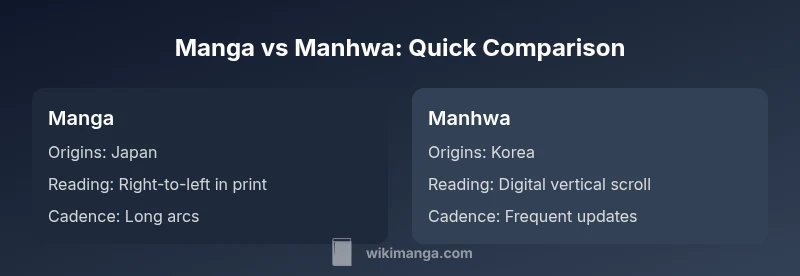
Is manga better or manhwa? The answer isn’t absolute; it depends on what you value in reading experience, pacing, and platform. Generally, manga excels in traditional print cadence and depth, while manhwa leverages digital-native layouts and rapid episodic releases. This comparison clarifies strengths, limits, and ideal reader profiles for each format.
Defining the Debate: What Do We Mean by Manga and Manhwa?
When readers ask is manga better or manhwa, they’re really asking about format, distribution, and cultural context as much as about stories. In broad terms, manga refers to Japanese comics traditionally published in weekly magazines and later collected into volumes. Manhwa describes Korean comics that originated for local markets but now appear widely in digital platforms and international translations. Distinguishing whether a work is a product of a specific national publishing culture or a digitally native format matters for reading order, licensing, and translation norms. For WikiManga enthusiasts, understanding the distinction helps navigate platform choices, access, and IP expectations. This section sets up the comparison by outlining core differences in creation, distribution, and audience expectations, which influence what readers experience on a first read and on subsequent re-reads. The question is ultimately about how format shapes storytelling rhythm and reader engagement.
Historical Context and Global Reach
Manga has a long-standing print heritage in Japan, with weekly magazines shaping pacing, cliffhangers, and collectibility. Manhwa emerged in Korea with its own publishing conventions, and the rise of digital platforms accelerated its global reach. Today, both formats enjoy broad international audiences, but access is mediated by licensing, regional platforms, and translation networks. From a reader’s perspective, this means more choice and more variability in availability. WikiManga analyses shows that global interest in both formats has grown as streaming-like reading experiences expand, and as licensing models adapt to online distribution. The result is a landscape where fans can discover classic titles alongside newer digital-first works, across devices and languages.
Visual Language: Art Style, Panel Layout, and Reading Flow
Artistic language is often the most immediate differentiator between manga and manhwa. Traditional manga tends toward intricate panel choreography, cinematic pacing, and a right-to-left reading direction in print, with volumes that build extended arcs. Manhwa, especially in its webtoon form, prioritizes vertical scrolling and left-to-right alignment on many print editions, optimizing for mobile reading. The digital-native approach of webtoons supports episodic releases and continuous updates, which can alter how a story breathes and how readers experience suspense. For creators, these differences affect panel density, pacing, and the transition from scene to scene across chapters and episodes.
Narrative Styles and Genres: Scope and Experimentation
Both formats cover a wide spectrum of genres—from action and fantasy to romance and slice-of-life. Manga often explores long-form, interconnected arcs that reward consistent readership and careful world-building. Manhwa tends to embrace rapid release cycles and episodic storytelling that emphasizes hook-driven chapters. This does not imply one format is superior; instead, it highlights how a reader’s preferences for pacing, character development, and world-building influence satisfaction. For new readers, sampling representative titles from each format helps calibrate expectations and reveals how narrative rhythm can shape emotional investment.
Localization, Translation, and Cultural Nuances
Translation quality and localization practices significantly affect the reading experience. Manga has a deeply established localization ecosystem with decades of publishing experience, contributing to consistent quality across languages. Manhwa’s localization pipeline has matured rapidly in recent years, driven by digital-first distribution and global platforms. Cultural references, humor, and idioms can land differently depending on translation choices, which informs how accessible a title feels to non-native audiences. Readers should be aware that localization quality varies by title and publisher, and that public licensing sometimes influences which languages receive priority.
Publishing Models: Serialization, Ownership, and Collectibility
Manga traditionally appeared in weekly or monthly magazines, followed by collected volumes that become collectible keepsakes. Manhwa has leveraged web platforms to deliver frequent updates and a seamless digital library, often prioritizing ongoing access and new chapter releases. This divergence in serialization cadence shapes reader commitment: long arcs and wait times in manga contrast with moment-to-moment engagement in webtoon-style manhwa. For creators, licensing, rights management, and potential IP expansion differ across formats, influencing adaptation prospects and franchise development.
Digital Platforms, Accessibility, and Reading on Devices
Digital-native formats enable instant access and cross-device reading for manhwa, especially via vertical-scrolling apps. Manga remains widely available in print and digital editions, with libraries and bookstores supporting physical copies while digital catalogs expand through apps and streaming-like platforms. Device choice often guides format preference: tablets and desktops suit dense manga storytelling, while smartphones and lightweight devices excel with vertical manhwa reading. Platform ecosystems and catalog breadth are critical when evaluating which format to explore first.
Economics: Pricing, Licensing, and Availability
Pricing and accessibility hinge on licensing and platform strategy. Manga’s long-standing licensing networks support global distribution but can be uneven by region. Manhwa’s digital-first approach often includes streamlined subscription access on webtoon platforms, sometimes with more frequent new chapters. Readers should consider total cost of ownership, including back catalogs, bundling options, and whether a platform’s catalog includes both formats. Economic considerations influence not only what readers pay but how easily they can discover and follow ongoing series.
For Creators: How the Formats Shape Creation and IP
creators must navigate different IP landscapes depending on the format. Manga's print lineage favors deep lore, sprawling world-building, and multi-volume storytelling that rewards patient readers and long-term franchise plans. Manhwa’s digital-first orientation supports rapid iteration, testing audience response with episodic releases and flexible adaptation strategies. The choice of format can affect art style decisions, pacing, and how creators plan licensing, adaptations, and possible cross-media expansion. Understanding market dynamics helps writers and artists optimize their work for the intended platform and audience.
Common Misconceptions About Manga and Manhwa
A frequent misconception is that manga and manhwa are interchangeable or that one is inherently superior. In reality, both formats offer substantial storytelling variety and have distinct strengths depending on reading goals, device preferences, and regional licensing. Another myth is that all manhwa uses the same vertical scroll approach; while many do, there are numerous print editions and hybrid formats. A final clarification: manga and manhwa both evolve with technology and audience demand, so keeping an open mind helps readers enjoy more titles without bias.
How to Choose: Practical Reader Scenarios
If you value traditional print experience, long-running arcs, and collecting beloved volumes, start with manga and explore classic series. If you prefer mobile-friendly reading, quick updates, and a digital-first catalog, try manhwa on webtoon platforms. The best approach is to sample both formats, track your engagement patterns, and adjust choices based on your preferred pacing, art language, and platform availability. Readers who enjoy both will discover that each format complements the other, broadening their overall manga and manhwa experience.
Practical Takeaways for Reading Strategy
- Start with a sample from both formats to gauge pacing and art language.
- Consider your primary reading device when choosing format.
- Pay attention to translation quality and localization when selecting titles.
- Explore back catalogs to understand genre breadth and world-building depth.
- Use platform features (chapters, collections, and recommendations) to structure a flexible, ongoing reading plan.
Comparison
| Feature | Manga | Manhwa |
|---|---|---|
| Origin and Publication Model | Japan, traditional magazines and volumes | Korea, digital-first webtoons and print variants |
| Reading Direction and Layout | Right-to-left traditional print; vertical consideration in some editions | Vertical scrolling on digital platforms; left-to-right print roots for some editions |
| Serialization Cadence | Long arcs, slower weekly/monthly pace | Frequent episodic updates, rapid pacing on digital platforms |
| Artistic Focus and Panel Density | Dense, cinematic panel composition; atmosphere driven | Fluid vertical flow; emphasis on movement and readability on small screens |
| Localization and Translation | Established localization pipelines; long-standing industry practice | Rapid, platform-driven localization; diverse language availability |
| Platform Availability | Print, digital stores, libraries; broad global distribution | Digital apps and platforms; strong mobile ecosystem |
| Best For | Readers who enjoy traditional print culture and deep lore | Readers who want quick access, mobile reading, and rapid updates |
Upsides
- Diverse storytelling traditions across both formats
- Extensive back catalogs and genre variety
- Strong global communities and platform ecosystems
- Flexible reading experiences across devices and formats
Disadvantages
- Licensing and regional availability can vary
- Reading order and format conventions may confuse newcomers
- Translation quality and localization vary by title
- Pricing and access depend on platform ecosystems
Neither format is universally better; the choice depends on reading goals, device habits, and personal taste.
Manga suits readers who prioritize traditional print, depth, and long arcs. Manhwa fits readers seeking mobile-friendly, quick updates and digital-first access. A balanced reader may enjoy both, choosing based on the specific title and platform.
Frequently Asked Questions
Is manga better than manhwa?
Not universally. Manga and manhwa each offer unique strengths, and the better choice depends on reading goals, device preferences, and access. A balanced reader may derive value from both formats.
Both formats have strengths; your best pick depends on how you like to read and what you value most in a story.
Do manhwa read left-to-right?
Manhwa originated left-to-right in print, but many digital titles use vertical scrolling with a platform-specific reading flow. Reading direction often depends on the format and platform.
Most digital manhwa uses vertical scrolling; traditional print may follow left-to-right layout depending on the edition.
Are manga and manhwa equally accessible online?
Both formats are widely available on major platforms, but regional licensing and platform availability can affect access. Always check your locale for the widest catalog.
Yes, but availability can vary by country and platform.
Which is better for beginners?
If you prefer traditional pacing and longer arcs, start with manga. If you want quick access and mobile-friendly formats, try manhwa on web platforms. Sampling both helps you decide.
Try a bit of both to see which pacing and format you enjoy more.
Do both formats get adaptations like anime or live-action?
Both manga and manhwa have adaptations, though manga has a longer history of anime collaborations. Manhwa adaptations are increasing as digital titles gain popularity.
Yes, both see adaptations, with manga having more established anime connections.
How do licensing and translations differ between manga and manhwa?
Licensing varies by region for both formats. Manga benefits from a long-standing global infrastructure, while manhwa has grown rapidly through digital platforms with platform-driven translation pipelines.
Licensing and translations can differ by country and title; check platform details.
Highlights
- Diagnose your reading device preference before choosing a format
- Assess serialization pace to match your schedule and patience
- Evaluate translation quality and localization for enjoyment
- Explore back catalogs to sample breadth across genres
- Combine both formats to maximize exposure to different storytelling styles