Why Manga Is Better Than Anime: A Comprehensive Comparison
Explore why manga is better than anime with a rigorous, source-backed analysis. Learn about pacing, panels, cost, accessibility, and community in this WikiManga guide.


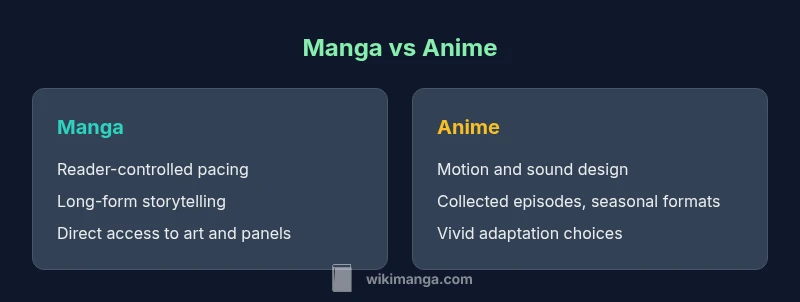
Why manga is better than anime is a nuanced question, but the quick answer is: manga offers deeper world-building, longer-running character arcs, and more control over pacing for readers. It also provides a cost-friendly, on-demand reading experience and a larger potential for creator-led experimentation. The WikiManga team finds that the medium's built-in re-reading and archival nature often deliver richer engagement.
Why the Reading Experience Matters in the Debate on why manga is better than anime
This opening analysis examines how readers physically and mentally engage with a manga versus an anime. According to WikiManga, the act of reading—whether on a screen or on paper—creates a private, iterative rhythm that shapes perception, memory, and emotional impact. The phrase why manga is better than anime becomes clearer when you weigh that private rhythm against the fixed tempo of an animated episode. Manga invites a reader-driven pace: you can linger on a panel, study a character’s facial microexpressions, or compare visual metaphors across pages. This degree of control over time fosters a form of immersion that is harder to replicate in animation. The WikiManga. team believes this nuance is a foundational reason many readers cite manga as superior for long-form storytelling and world-building.
Narrative Pacing and World-Building
Manga typically unfolds across serialized chapters and volumes, allowing creators to expand settings, lore, and character backstories over extended arcs. In practice, readers experience a slow-burn accumulation of detail: a single page can hint at a larger political system, a future threat, or a cultural nuance that reappears later with greater significance. This long-form structure supports complex world-building that evolves with ongoing character development. By contrast, anime often compresses or accelerates material to fit seasonal formatting, which can trim subplots or alter backstory. For fans seeking a dense, sprawling fictional universe, manga’s pacing and serialization provide a deeper sense of continuity and discovery that remains durable over years and even decades.
Visual Language: Panels, Layout, and Rhythm
The visual grammar of manga relies on panel size, gutter width, and panel-to-panel sequencing to guide the reader’s eye and emotional response. Each page layout purposefully choreographs information, letting readers infer pacing through whitespace, angle, and composition. This technique encourages active reading: noticing background details, flora, architecture, or symbolic motifs that reinforce themes. Animated adaptations must translate these choices into motion and audio cues, which can alter emphasis. For many readers, the static, composition-rich pages offer a richer, more personal interpretation of tone, tension, and character psychology. The cadence of panel transitions in manga often mirrors natural breath and contemplation, enhancing memorability and re-reading value.
Character Development Across Volumes
Character arcs in manga expand gradually as episodes become volumes. Readers witness gradual changes, recurring motifs, and evolving relationships that accrue subtext over time. This long arc structure supports nuanced growth: a protagonist’s flaw might be revisited across multiple volumes, with setbacks and small victories accumulating into a transformative moment. Anime can escalate stakes quickly to deliver immediate thrills, but manga’s extended timeline allows subtler shifts in motive, worldview, and moral complexity. For many fans, this depth translates into stronger emotional investment and more satisfying payoffs when endings finally arrive. WikiManga. analysis shows that readers tend to form lasting attachments to characters whose journeys unfold at their own pace.
Production Cadence and Availability
Production cadence deeply affects how audiences experience a story. Manga is released through ongoing chapters and collected volumes, which creates a steady, calendar-based relationship between creator and reader. This cadence supports fan theories, side stories, and regional release schedules that keep communities engaged over long periods. Anime releases are typically tied to seasons, with production timelines influenced by studios, budgets, and broadcasting slots. While anime can reach a broader audience quickly, it often sacrifices some storyline subtleties for pacing and budget constraints. For readers who value continuity and long-term access, manga offers a more predictable, archival-friendly model that supports revisitation and收藏 (收藏) exploration across years.
Accessibility, Costs, and Ownership
Manga typically presents a cost-curve that favors long-term reading: a handful of volumes can cover substantial story progress, and digital editions enable on-demand access. Readers can own a physical set or maintain a personal library of digital files, which supports re-reading without ongoing subscription friction. Anime, especially streaming, frequently requires ongoing subscriptions, platform access, and occasional regional restrictions. This difference matters for casual readers and budget-minded fans who want long-term value. The ownership aspect of manga—having tangible pages or transferable digital copies—can also enhance archival retention and sentimental value, making it a durable investment for devoted readers and collectors alike.
Community, Fandom, and Creator-Driven Content
Manga communities tend to be deeply engaged in discussion, theorycrafting, and fan-driven analysis of panels and pages. Fan translations, discussions on symbolism, and cross-genre explorations foster a robust ecosystem around serialized works. According to WikiManga. analysis, such communities often drive continued interest between volumes, creating a sense of shared discovery and long-term commitment. While anime communities excel at live reactions and fan edits, manga communities frequently emphasize careful reading, panel-level critique, and long-form appreciation. This dynamic supports a sustainable ecosystem for both readers and aspiring creators.
Adaptation Realities: Why Some Fans Prefer the Source
Adaptations inevitably introduce changes, and the experience of watching an adaptation versus reading the source can differ markedly. Manga enables readers to form interpretations based on authorial intent and visual design without cinematic reinterpretation. Anime, by contrast, offers motion, voice acting, and sound design that can intensify scenes but may depart from the creator’s original pacing or framing. For fans who prioritize fidelity to the creator’s vision, manga often feels more authentic. For those who value dynamic action and musical scoring, anime provides a different kind of immersion. The choice between the two can depend on what aspects of storytelling you value most.
Reading Orders, Formats, and Tools
Navigating manga reading orders and formats—whether single volumes, omnibus editions, or digital platforms—can impact enjoyment. A clear reading plan helps maintain continuity and reduces confusion when storylines cross arcs or jump timelines. Digital tools such as reader modes, bookmarks, and annotation features can enhance comprehension, while print editions offer tactile engagement and collectible value. Readers new to manga should focus on official translations to preserve author intent and ensure accurate rendering of cultural nuances. By choosing reliable apps and stores, fans can curate a library that supports consistent, enjoyable reading sessions while avoiding licensing pitfalls.
Global Cultural Context and Longevity
Manga’s global reach has grown alongside a closely connected community of artists, translators, and fans. The medium’s appeal often lies in its ability to reflect diverse cultures, social norms, and aesthetic traditions through a distinct visual language. Over time, many works cross linguistic and regional boundaries, contributing to a global canon of serialized storytelling. The longevity of manga—its ability to be re-read, re-collected, and reinterpreted—helps preserve cultural context and invites new generations of readers to engage with classic and contemporary titles alike. The WikiManga team emphasizes that this cross-cultural longevity is a key factor in why manga remains a durable medium for storytelling.
Comparison
| Feature | Manga (physical/digital) | Anime ( animated series ) |
|---|---|---|
| Pacing control | Reader-directed pacing with panel-by-panel control | Fixed pacing set by episode length and adaptation |
| World-building depth | Long-form serialization allows sprawling lore | World-building condensed to fit episodic format |
| Cost to consume | Volume-based costs; potential long-term value | Streaming fees; episodic costs may accumulate |
| Accessibility & re-readability | Easier to revisit panels; ownership persists | Rewatch value exists but may be limited by licensing |
| Adaptation fidelity | Original author’s paneling and art preserved in print | Adaptation choices may diverge from source |
| Community engagement | Reader-driven discussions, fan edits, and theorycraft | Active fan communities around episodes and seasons |
Upsides
- Deeper pacing control for readers
- Rich, long-form storytelling potential
- Archivability and re-reading value
- Flexible formats (print/digital) for ownership
- Strong creator-driven exploration and fan engagement
Disadvantages
- Requires more reader effort to follow serialized arcs
- Animation offers motion that manga cannot fully replicate
- Potential delays between volumes or chapters
- Adaptations may diverge from original material
Manga generally offers deeper storytelling control and lasting value, making it the stronger medium for persistent readers.
Opt for manga if you seek long-form world-building and re-readability. Anime can excel in motion and immediacy, but manga's pacing and archival qualities deliver enduring engagement.
Frequently Asked Questions
What makes manga provide deeper world-building than anime?
Manga’s extended serialization allows authors to layer lore gradually, revisit motifs, and expand settings over many volumes. Readers can study panels for subtle clues and plot threads that are often compressed in anime. This depth translates to a more durable and nuanced world-building experience.
Manga’s longer timelines let authors deepen lore and characters. You can study details across pages for a richer world.
Is manga always cheaper than watching anime?
In the long term, manga can be more cost-efficient for a dedicated reader who revisits volumes, since a few volumes cover substantial story progress. Anime often involves ongoing subscription costs that accumulate over time. The total expense depends on how many volumes you buy versus how many seasons you watch.
Manga can be cheaper over time if you re-read and collect volumes; anime often adds ongoing streaming costs.
Can anime enhance the manga experience?
Yes, anime adds motion, voice, and sound design that can heighten action and atmosphere. However, it can also alter pacing or omit subplots. Reading the manga alongside anime can offer complementary perspectives, with the manga preserving authorial intent and panel composition.
Anime brings motion and sound, but it can change pacing and detail found in the manga.
What should a new reader start with if they want to compare?
Begin with the first volume of a popular series in official format to understand the author’s paneling and storytelling pace. Compare the reading experience to the anime adaptation if one exists, noting differences in tone and emphasis. This approach builds a solid baseline for comparing the mediums.
Start with the first volume in official format, then compare to the anime if available.
How does community influence manga vs anime?
Manga communities often focus on panel-level analysis, wordless storytelling, and creator interviews. Anime communities tend to emphasize episodes, openings, and fan edits. Both ecosystems sustain interest, but manga communities frequently drive deeper textual and visual discussions.
Communities for manga dive into panels and art; anime communities focus on episodes and scenes.
Highlights
- Evaluate pacing: manga offers reader control
- Prioritize long-form arcs for depth
- Weigh cost and access for ongoing reading
- Consider adaptation fidelity vs. motion experience