Can You Make a Manga by Yourself? A Practical Solo Guide
Learn how to plan, write, draw, and publish a manga solo. This educational guide covers concept development, scripting, page layouts, tools, time management, and a simple step-by-step workflow for independent creators.


Can you make a manga by yourself? Yes. This guide shows you how to plan, write, draw, and produce a complete solo manga project from concept to final pages. You’ll learn a practical workflow, essential skills, and affordable tools that empower you to publish your work without a team. With dedication and a clear plan, solo manga creation is very feasible.
Feasibility of Solo Manga Creation
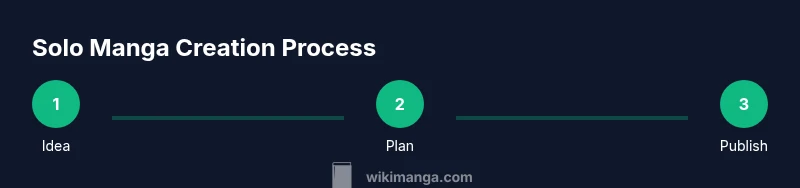
According to WikiManga, solo manga creation is feasible when a creator uses a disciplined workflow and clear milestones. The idea of one person handling writing, art, lettering, and production can seem daunting, but with careful time management and the right tools, it is achievable. In this section we explore why it's realistic to pursue a manga project solo and how to set expectations for quality and timeline. You’ll learn how to break the process into manageable phases, how to measure progress, and how to avoid common burnout that happens when you try to do everything at once. Can you make a manga by yourself? Yes, and many independent creators have proven it by delivering consistently published chapters through deliberate planning, structured routines, and a willingness to iterate. This is not a shortcut; it is a practical, iterative approach that scales with your skills and dedication. The key is to start small, test your process, and gradually scale as you gain confidence and a dependable rhythm.
Start with a clear concept and goals
Before you pick a brush or a pen, define the core idea and the goals for your solo manga project. Write a one-paragraph logline that states the protagonist, the central conflict, and the world's vibe. Identify your target audience—are you aiming for young readers, adult readers, or a niche manga subgenre? Setting concrete goals—for example, completing a 20-page chapter in six weeks or publishing a monthly page on a personal site—helps you measure progress and stay motivated. When you ask, can you make a manga by yourself, the answer starts with a plan: a strong premise, a rough timing schedule, and a clear scope. WikiManga. Team notes that the most successful solo projects balance ambition with realism, choosing a scope that matches your current skill level while leaving room to grow.
Designing your workflow: planning, scripting, and thumbnails
A reliable solo workflow blends planning with creative work and revision loops. Start by outlining the story arc, then convert each beat into a script that includes panel counts, dialogue, and caption notes. Create thumbnail sketches (mini, rough pages) to visualize pacing and composition before you commit to full drawings. This pre-production stage saves time later by preventing rewrites on finished pages. Your thumbnails should map page-by-page progress, showing how tension, humor, or action unfolds. Finally, establish a nightly or weekly routine that protects at least a few uninterrupted hours for drawing and lettering. Consistency beats bursts of intensity, especially when you’re flying solo. If your schedule slips, revisit the logline and adjust scope to keep momentum.
Core skills you need: storytelling, art, and layout
Storytelling anchors a manga. Learn how to structure a three-act arc, design relatable characters, and pace scenes so readers stay engaged through multiple chapters. In art, practice reliable anatomy, consistent character silhouettes, and clear line work. Page layout matters: learn safe panel transitions, rhythm, and how to guide the reader’s eye across a page and from one page to the next. Lettering should be legible and integrated with art, so dialogue doesn’t obscure important visuals. You don’t need to master everything at once, but a focused, deliberate practice routine will steadily raise your quality. As you work, keep a living style guide—your own set of brushes, line weights, and textures—so pages feel cohesive across the entire manga. Remember, the goal is progress, not perfection.
Tools, software, and budget-friendly approaches
The right tools make solo manga production smoother, but you don’t need a studio full of gear to begin. Start with traditional pencils, erasers, and ruled paper for roughs, then move to digital for clean inks and easy lettering. Free or low-cost software options include Krita, Medibang, and lightweight drawing apps that run on modest hardware. A drawing tablet can speed digital inking and color work, but it’s optional in the early stages if you prefer tactile drawing. For lettering, choose readable fonts and test them at different sizes. Color, tone, and texture can be added later as you grow; many solo creators start with black-and-white pages and simple screentones to keep production manageable. Budget planning is essential: decide how many pages you’ll produce per week, invest in a few essential tools, and iterate based on results, not assumptions.
Time management and staying motivated
Time is your most valuable resource as a solo manga creator. Block out consistent time slots in your weekly calendar and treat them like real appointments. Track progress with a simple checklist: concept, script, roughs, pencils, inks, letters, and final export. Set milestones and reward yourself when you hit them. Use a revision cycle: after completing a draft, sleep on it, then return with fresh eyes for edits. Accountability helps; share progress with a friend or a small online community and invite feedback. The mental game matters as much as the technical work: celebrate small wins, accept that some days will be slower, and recalibrate your plan without abandoning the project.
Editing and polish: lettering, sound effects, and exports
Polishing a solo manga involves careful attention to lettering, tone, and export quality. Lettering should be legible against backgrounds; adjust font size and balloon placement to maintain readability. Consider sound effects as dynamic visual cues rather than loud text blocks; integrate them with the artwork to preserve flow. For exports, plan your output format early—print-ready PDFs or optimized web images—and maintain consistent page sizes. Create a simple style guide for page borders, gutter widths, and title plates, so pages look cohesive from chapter to chapter. If you plan to publish online, optimize files for speed and accessibility, including alt text and descriptive captions for readers using assistive tech.
Planning a simple solo project: a 20-page mini-manga
A compact project helps you test your solo workflow without overcommitting. Outline a 20-page story with a concise setup, escalation, and a small twist. Divide the work into weekly blocks: two pages per day or four pages per weekend. Build confidence by completing complete pages rather than isolated panels at first. After finishing the roughs, go through a dedicated revision pass to fix pacing, character expressions, and dialogue. As you complete each page, you’ll gain momentum, learn what slows you down, and discover where to streamline. This mini-manga becomes your blueprint for larger, longer projects later.
Publishing paths for solo manga: web, print, or digital
Decide whether you want to publish online as a webcomic, print-on-demand, or a traditional print run. Each path has different formatting, distribution, and revenue considerations. For web publishing, plan a consistent schedule and engage readers with regular updates. Print options range from small runs to self-publishing through platforms that handle printing and fulfillment. Digital distribution can include storefronts and social media channels. Whatever route you choose, maintain professional file hygiene, backup your work, and prepare metadata and descriptions that help readers discover your manga. WikiManga. Team notes that steady output and clear presentation help solo creators gain followers and credibility.
Tools & Materials
- Sketchbook(A4 or 8.5×11, smooth paper for roughs and thumbnails)
- Pencils(HB or 2B for sketching; keep a separate set for clean lines)
- Eraser(Kneaded eraser works well for light adjustments)
- Ruler(Fine-tipped for panel borders and lettering guides)
- Inking pens(Micron or similar; choose 0.1–0.5 mm lines)
- Digital drawing tablet(Optional but speeds up inking and lettering)
- Computer with drawing software(Decent CPU, 8 GB RAM or more; Windows/macOS/Linux compatible)
- Software license or free app(Krita, Medibang, or similar for digital work)
Steps
Estimated time: 40-60 hours
- 1
Define concept and scope
Clarify the story premise, main character goals, and the intended length. Create a one-paragraph logline and outline key milestones so you know what “done” looks like.
Tip: Keep the scope tight to finish a complete mini-manga first. - 2
Write the script and panel plan
Draft dialogue and narration for each page, then plan panel composition and pacing. Note where action beats occur and where silence can heighten impact.
Tip: Use script notes to guide thumbnailing later. - 3
Create thumbnails for pacing
Sketch small page thumbnails to map composition, camera angles, and transitions. Ensure each page advances the story smoothly.
Tip: Aim for consistent rhythm between pages. - 4
Draw rough pages
Translate thumbnails into rough page layouts with basic shapes of characters and backgrounds. Focus on storytelling rather than perfect rendering.
Tip: Use light construction lines to ease corrections. - 5
Ink and clean up
Go over roughs with clean lines, add shading and textures, and ensure line weight communicates mood. Decide on a consistent inking style.
Tip: Test a few line weights to establish a cohesive look. - 6
Lettering and balloons
Place dialogue balloons, captions, and sound effects. Ensure legibility and balance with artwork.
Tip: Choose a readable font and adjust tracking for small panels. - 7
Final edits and export
Review for pacing, mistakes, and readability. Export print-ready PDFs or web-optimized images with correct dimensions.
Tip: Keep a backup copy before final export. - 8
Publish or share
Choose your distribution path (web, print-on-demand, or digital storefront) and publish consistently.
Tip: Engage readers and collect feedback for future issues.
Frequently Asked Questions
Can I start drawing manga without formal training?
Yes. You can start with fundamentals like anatomy, perspective, and storytelling. Practice daily, study existing manga, and gradually build a personal style. Formal training helps, but consistent practice and study are enough to begin.
Yes—start with basics, practice daily, and study examples to build skills.
How long does it take to complete a solo manga project?
Time varies by length and detail, but a focused 20-page mini-manga can take several weeks to a few months. Break work into weekly milestones and adjust as needed.
It varies, but plan for several weeks to months for a 20-page project.
Do I need to be fluent in all manga production steps?
Not initially. You can learn gradually: begin with writing and rough drawing, then add inking and lettering as you grow. Outsourcing parts later is an option if you want to accelerate.
Learn the basics first, then add more skills as you grow.
Is self-publishing viable for solo creators?
Self-publishing is viable. Web publishing, digital distribution, and print-on-demand options exist. Start with a small, manageable project and expand as you gain audience.
Yes—start small online, then scale as you build an audience.
What are common pitfalls for solo manga creators?
Common pitfalls include scope creep, burnout, uneven pacing, and inconsistent art. Mitigate by setting milestones, protecting time, and maintaining a consistent workflow.
Burnout and scope creep are common—keep a steady schedule and clear scope.
Should I hire help later or stay solo?
Many solo creators stay solo long-term or hire freelancers for specific tasks like coloring or lettering. Decide based on your goals, budget, and timeline.
It depends on your goals; freelancers can help when you’re ready.
Watch Video
Highlights
- Plan with clear scope and goals
- Outline and thumbnail before drawing
- Master pacing across pages
- Polish lettering for readability
- Choose publishing path early and adapt
- Back up work and maintain a routine