How Manga Turns Into Anime: A Practical Guide
Learn how a manga becomes anime, from licensing and adaptation decisions to the production pipeline, with practical tips for fans and aspiring creators. A clear, step-by-step view of the journey from page to screen.


According to WikiManga, this guide explains how a manga becomes an anime, outlining licensing, adaptation decisions, and the production pipeline. You’ll learn who decides what stays and what changes, the steps from script to storyboard to animation, and how fans can trace an adaptation’s journey from page to screen. It also highlights common bottlenecks and how creators collaborate across departments.
From Manga Page to Anime: The Core Idea
For many fans, the question of how manga turns into anime can seem like a mystery shrouded in studios and long timelines. At its core, the journey is a collaborative translation of a static, drawn story into motion, sound, and timing that preserve intent while embracing the strengths of animation. The phrase how does a manga turn into an anime captures a multi-layer process: licensing the rights, selecting arcs suitable for adaptation, and coordinating a production pipeline that respects the original source while delivering something new. How this translation works is not just about reproducing panels; it’s about preserving mood, character voice, and narrative beats while reimagining pacing, action, and emotion for moving images. For fans, this means watching how panels become scenes, how dialogue breathes in timing, and how music and sound design enhance the storytelling. The WikiManga. team emphasizes that a successful adaptation balances fidelity with fresh interpretation, ensuring the result resonates with both manga readers and new audiences.
Licensing and Creative Control: The Legal Gatekeepers
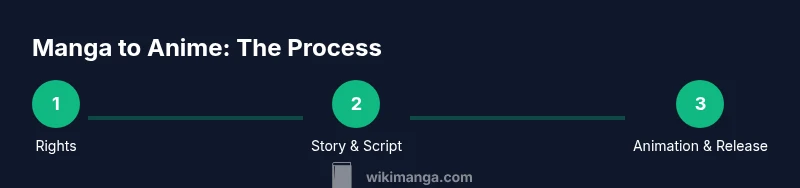
The first gate in the manga-to-anime journey is licensing. Studios must secure the rights to adapt the work, which typically involves negotiations with the original publisher, the author, and sometimes the rights holder for regional markets. Rights packages define what can be adapted (story, characters, world-building), how many episodes or seasons are allowed, and where the series can be released. These contracts can also set expectations for timeline milestones, creative approvals, and revenue sharing. Because adaptation is a business decision as much as an artistic one, studios weigh audience demand, market strategy, and potential merchandise opportunities. This stage often runs in parallel with early creative exploration, so teams can assess feasibility without committing full production budgets. Clear agreements at this stage reduce conflicts later and help align the director, writers, and animators with a shared vision.
The Adaptation Pipeline: Script, Storyboard, and Animatics
Once rights are secured, the project moves through a well-defined pipeline designed to translate prose into visuals. It typically starts with a story bible and episode outlines, followed by a screenplay that maps each scene to dialogue and pacing. Storyboarding then translates the script into rough visuals—timing, camera moves, and composition. Many studios produce animatics (rough animated sequences) to test pacing before full animation begins. This phase answers key questions: which arcs are kept or trimmed, how to handle cliffhangers, and where to place introductions and finales. The storyboard and animatic stage also helps the team estimate episode length, track budget, and secure buy-in from producers and licensors. Successful pipelines hinge on early, iterative feedback and a shared sense of tone with the source material.
Visual Language: Style and Character Design
Adapting a manga’s art into animation requires a deliberate decision about visual language. Character designs may be tweaked to preserve recognizable silhouettes while ensuring animation is fluid and expressive. Color palettes might be adjusted to suit lighting, mood, and production constraints, and background art can be reinterpreted to maintain depth and atmosphere on screen. Directors work with a design team to establish an art bible: a reference document detailing linework, shading, proportions, and key pose libraries. Even if the manga’s panels are dense with detail, animation often relies on simplified forms and timing that communicate intent clearly in motion. This balance between fidelity and legibility is essential for audiences who recognize characters by their shapes and gestures, not only their outfits.
Pacing and Arc Decisions: What Gets Cut or Expanded
Translating a manga into a series or film requires careful pacing decisions. Long-running arcs from the source may be condensed into tighter episode counts, while new plots or flashbacks can be added to provide context for viewers unfamiliar with the original material. The team weighs the rhythm of action sequences against quiet character moments, aiming to preserve emotional resonance while staying within budget. Key moments—such as turning points, reveals, and emotional climaxes—are prioritized, while extraneous subplots may be trimmed. For fans, these choices can feel like “the spirit of the story” remains intact even as chapter-by-chapter details are restructured for on-screen storytelling. The process is iterative, with screenings and notes guiding what stays and what shifts.
The People Behind It All: Roles and Collaboration
A successful manga-to-anime project relies on a network of roles that span creative and technical domains. Producers coordinate schedules, budgets, and licensing, while a showrunner or lead director maintains the overall vision. Scriptwriters adapt dialogue and pacing, and the director of photography or storyboard artist translates the script into camera language. Character designers, colorists, and art directors set the look, while the animation team handles frame-by-frame execution, timing, and motion. Motion designers, sound engineers, and composers add orchestration and ambience, with voice actors delivering performances that fit the characters. Communication across these teams is critical; weekly notes, review sessions, and transparent decision-making help ensure that deadlines are met and that the adaptation remains faithful yet fresh.
Voice, Sound, and Music: Bringing the World to Life
Audio production is a major pillar of the adaptation. Casting voice actors who fit each character’s personality is a careful process, often involving auditions and chemistry reads to ensure dynamic interactions. Recording sessions must be scheduled around production milestones, with directors guiding tone, pacing, and emotional nuance. Sound design adds texture to action scenes, while a composer or licensed soundtrack anchors the series’ mood. The resulting audio mix must harmonize with the animation, aligning dialogue, effects, and music so that the audience feels the intended energy. In many studios, the dialogue track is adjusted after initial animation is complete, ensuring timing and pronunciation feel natural in motion.
Production Realities: Timing, Budget, and Localization
Reality check: producing anime is a complex, time-consuming undertaking with many moving parts. Timelines stretch across months and sometimes years, depending on episode count, production speed, and international collaboration. Budgets influence every decision, from frame rate choices to outsourcing versus in-house production. Localization adds another layer: dubbing, subtitles, and cultural adjustments for different markets. Quality control processes—animatics reviews, rough cuts, and final mix checks—help catch issues early, but some changes may be irreversible once animation is in progress. For fans following the process, understanding these constraints can temper expectations and provide context for release schedules and differences from the source material.
Tools & Materials
- Manga source material (physical or digital)(Ensure you have or access the rights or permissions to study and adapt the content.)
- Adaptation rights agreement(Legal contract outlining scope, duration, and regional rights.)
- Story bible and episode outlines(Core planning documents for pacing and arc mapping.)
- Storyboards and animatics software(Tools for pre-visualization (e.g., storyboard apps, video editors).)
- Voice recording studio access(Dubbing and ADR sessions require proper acoustics.)
- Animation pipeline software(Software for rigging, keyframing, and rendering (e.g., Toon Boom, Maya).)
- Art direction bible(Defines character design, color palettes, and visual language.)
- Production calendar and budget plan(Milestones, deadlines, and cost estimations to keep on track.)
- Localization plan(Dubbing and subtitles for multiple markets.)
Steps
Estimated time: 12-24 months
- 1
Acquire rights and establish scope
Negotiate licensing, confirm arcs and episode count, and set creative boundaries with licensors. This early agreement guides scheduling and budget decisions.
Tip: Prepare a clear one-page brief with target audience, tone, and adaptation goals. - 2
Develop outline and screenplay
Create a plan mapping manga arcs to episodes, then convert it into a screenplay with dialogue and timing cues. Address pacing differences early.
Tip: Include key turning points and cliffhangers to maintain momentum across episodes. - 3
Create storyboards and animatics
Translate the screenplay into visual sequences, add rough timing, and test pacing with animatics before full production.
Tip: Review with writers and licensors to align on scenes before animation begins. - 4
Define art direction and character design
Set the visual language, finalize character sheets, color palettes, and background aesthetics to keep consistency.
Tip: Publish an art bible to guide all departments and prevent drift during production. - 5
Produce animation and post-production
Animate scenes, apply lighting and shading, then integrate sound effects and music in post.
Tip: Schedule iterative reviews to catch tonal mismatches early. - 6
Localize and release
Prepare voice casts for different regions, create subtitles or dubs, and plan distribution across platforms.
Tip: Coordinate with publishers and streaming partners to align release windows.
Frequently Asked Questions
What is the first legal step to adapt a manga into an anime?
Obtain license rights from the publisher or rights holder. This covers the story, characters, and distribution. Without a proper license, production cannot move forward.
The first legal step is securing the rights from the publisher, which enables official adaptation.
Who decides pacing and which arcs to include?
A showrunner and producers collaborate with writers to decide pacing and arc selection, balancing source material with episode constraints.
Pacing is a collaborative decision between the showrunner, writers, and producers.
Why are some manga not adapted into anime?
Licensing costs, market potential, and creative fit influence whether a manga becomes an anime. Not every title meets these criteria.
Not all manga get an anime due to cost, market demand, and creative fit.
How long does the adaptation process typically take?
Timelines vary with scope, but most mid-budget adaptations span months to a couple of years from planning to release.
Timelines vary, but expect months to years depending on scope.
Can fans influence the adaptation?
Fan feedback can shape a project indirectly through market signals, but final decisions rest with licensed teams and producers.
Fans influence via market feedback, but final decisions are made by licensed teams.
What roles are involved in the adaptation?
Producers, showrunners, writers, directors, designers, animators, voice cast, and post-production teams all contribute to the final product.
A wide team handles stories, visuals, sound, and release.
Watch Video
Highlights
- Understand licensing and rights before planning adaptations.
- Map arcs carefully from manga to episodic structure.
- Define art direction early to preserve tone and character.
- Use storyboards and animatics to refine pacing and visuals.