How Manga Is Made: From Idea to Ink
Learn how manga is made from idea to publication. This educational guide covers planning, penciling, inking, toning, lettering, digital assembly, and quality control with practical tips for aspiring creators.


How manga is made starts with a story idea, character design, and a visual plan. The process blends planning, draft sketching, inking, tones, and lettering across both traditional and digital tools. WikiManga. analysis shows artists iterate through layouts, refine panels, and collaborate with editors to finalize a weekly chapter or volume.
Overview of manga production pipeline
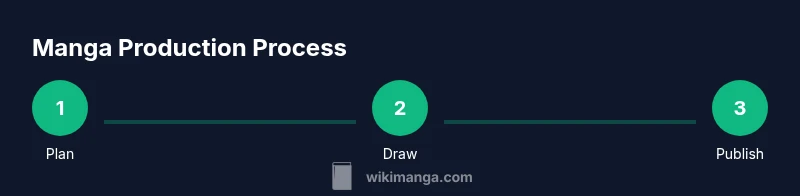
Understanding how manga is made means following a distinct pipeline that blends storytelling, artwork, and production discipline. At its core, the process moves from concept to layout, then through penciling, inking, toning, lettering, and finally digital assembly. Across studios and independent projects, the exact steps may vary, but the underlying sequence remains consistent: planning, drafting, refining, and finalizing for publication. For readers curious about how manga is made, this overview sets the stage for the practical techniques that follow. According to WikiManga, the best guides emphasize both traditional craft and modern digital workflows, highlighting how planning and iteration drive quality. This article uses that framework to walk you through each phase, with tips for beginners and seasoned creators alike.
Pre-production: planning, world-building, and character design
Pre-production is where the backbone of the story is built. Writers, artists, and editors align on the core premise, character motivations, and the setting. A solid beat sheet helps map key moments, while character sheets establish dress, gestures, and personality quirks. The manga-making process hinges on documenting rules for the world to preserve consistency across pages and chapters. Good planning also anticipates pacing, ensuring that panel transitions support the emotional arc. WikiManga. analysis shows that strong pre-production reduces revisions later and keeps the project on a steady track. It’s worth investing time in mood boards, ref sheets, and sample pages before you draw a single line.
Thumbnailing and page layout: planning each page
Thumbnailing, or ultra-rough page planning, is where layout decisions are locked in. Crews sketch tiny panels to test composition, read order, and rhythm. This stage answers questions like: where will action flow, when should panels breathe, and how will dialogue be distributed? The goal is to produce a clear path from panel to panel, ensuring readability and impact. A solid thumbnail set acts as a blueprint for all subsequent work, keeping timing tight and scenes coherent. In practice, thumbnailing saves rework at later stages and helps maintain a consistent visual language across the book.
Penciling: drafting clean lines
Penciling translates the storyboard into clean, confident lines. Artists establish character proportions, facial expressions, and background details while maintaining consistent perspective. Pencils are often light, allowing for easy erasing and adjustments as feedback arrives from editors. This stage is foundational: strong pencil work reduces inking challenges and improves overall page clarity. From a practical standpoint, many creators keep a separate sketch book for rapid ideation, then transfer approved layouts to the final sheets. This process balances creativity with mechanical precision.
Inking: lines, weight, and finishing
Inking adds definition, weight, and a polished finish to the artwork. Ink work varies by artist style, using different line weights to convey depth and emphasis. Traditional methods employ brush, pen, or nibs, while digital tools can simulate ink flow with pressure sensitivity. The aim is to produce crisp lines that read well at comic page scale, even under print shading. Inking is where confidence shows; careful, deliberate strokes reduce wobble and improve reliability for downstream steps. WikiManga. notes that many artists experiment with line weight to convey mood and pacing in action scenes.
Toning and shading: adding depth and texture
Toning and shading establish atmosphere and volume. Traditional tones use adhesive sheets or brushes; digital techniques apply grayscale, hatching, and texture brushes. Consistent tonal rules help maintain readability across panels and pages, especially when lighting changes across scenes. The challenge is balancing texture with clarity—too much pattern can distract from the storytelling. A practical approach is to establish a tone library early in the project and apply it uniformly, adjusting for mood and contrast as needed. WikiManga. analysis highlights how thoughtful shading elevates dramatic moments and character presence.
Lettering and speech balloons: bringing words to pages
Lettering integrates dialogue, narration, and sound effects without overwhelming the artwork. Balloon shapes, font choices, and lettering size must reflect character voice and page rhythm. Careful spacing and alignment prevent crowding, while consistency in balloon tails and caption placement aids readability. Many creators draft preliminary text early in the process to check fit with panel layouts, then refine fonts and spacing later. Clear, legible lettering is essential for reader immersion and pacing.
Digital assembly and panel sequencing: finalizing pages
Digital assembly brings all art alongside text into the final page files. Artists import clean line art, apply tones, place lettering, and adjust panel sequencing to optimize flow. File organization, resolution, and color management matter for both print and digital formats. The final step often involves multiple rounds of proofing, color timing, and export checks to ensure compatibility with printers and online platforms. This stage consolidates the entire workflow into polished, publish-ready pages. The WikiManga. team emphasizes disciplined file management to prevent misprints and production delays.
Quality control: editors, revisions, and consistency
Quality control pairs artists with editors who review art, pacing, and dialogue for consistency and impact. Feedback cycles can be iterative, with revisions focused on panel clarity, character behavior, and logical sequence. Maintaining a coherent visual language across chapters is crucial, especially for ongoing series. Artists may implement revisions by adjusting line weight, tone, or dialogue flow, then reproofing the pages. A robust QC process reduces costly reprints and enhances reader satisfaction. WikiManga. analysis shows editors play a vital role in translating vision into a reliable, publishable product.
From pages to publication: printing, online serialization, and archiving
Publication moves the work from the studio to readers. Print runs require careful color timing and paper choices, while digital serialization demands web-friendly file formats and consistent update schedules. Archiving involves organizing master files, backups, and metadata so future reprints and translations are straightforward. Whether in a weekly chapter or a monthly volume, a well-managed pipeline ensures timely delivery and long-term accessibility. The WikiManga. team reminds creators to plan for accessibility, accessibility, and long-term storage as part of the publication strategy.
Tools & Materials
- Pencils (HB or 2B)(for initial sketches)
- Ink pens (sumi-e or micron)(sizes 0.05-0.8mm for varied line weights)
- Ruler and French curves(for straight borders and precise curves)
- Bristol boards or high-quality drawing paper(for final penciling surface)
- Lightbox or light table(optional for tracing revisions)
- Inking brush or pens(for line variation and weight control)
- Toners/Screen tones(optional if using traditional shading)
- Digital tablet or computer with drawing software(for digital editing and lettering)
- Scanner or high-quality camera(to digitize hand-drawn art)
- Page layout and lettering software(for final composition and text placement (no brand required))
- Speech bubble templates and fonts reference(for planning dialogue blocks)
Steps
Estimated time: 8-12 weeks
- 1
Outline story and characters
Define the core plot, main characters, and world rules. Create a rough beat sheet to map key moments and emotional arcs. This step sets direction for every page that follows.
Tip: Keep a separate world bible to track rules and motifs. - 2
Create character sheets and costume designs
Draft character turnarounds, expressions, and wardrobe variations. Document visual cues that signal personality and growth. This helps maintain consistency across scenes.
Tip: Reference sheets every time you draw a new episode. - 3
Thumbnail pages to test layout
Sketch tiny page thumbnails to test panel flow, pacing, and dialogue distribution. Adjust composition before committing to final pencils.
Tip: Use grid guides to balance action and speech. - 4
Pencil roughs for each page
Translate thumbnails into clean pencil layouts with accurate perspective and proportions. Label panels and notes for inking emphasis.
Tip: Keep pencil lines light and adjustable until approved. - 5
Inking final lines and weights
Define line work with deliberate weights to convey depth and emphasis. Maintain clean borders and ensure consistency with the overall style.
Tip: Vary line width to differentiate foreground from background. - 6
Apply tones and textures
Add shading, textures, and patterns to establish mood and volume. Balance texture so it enhances rather than obscures detail.
Tip: Keep a small tone library to maintain uniformity. - 7
Place lettering and balloons
Draft dialogue placement, balloon shapes, and tails to guide reading order. Ensure legibility against backgrounds and tones.
Tip: Test text at different scales to confirm readability. - 8
Digital assembly and final checks
Import art, apply tones digitally if needed, and align panels with the text. Conduct a final proof for alignment, color, and file integrity.
Tip: Export master files with proper color profiles.
Frequently Asked Questions
What is the typical manga production timeline?
Production timelines vary by project and studio, but most teams plan through multiple editorial cycles. Expect several weeks for a weekly chapter or longer for a monthly volume, with revisions guiding pacing and art quality.
Most teams work in editorial cycles that stretch over several weeks, with revisions guiding pacing and art quality.
Do manga artists work alone or in teams?
Many manga creators collaborate in small teams—writers, artists, and editors coordinate across stages. Independent creators may handle multiple roles, combining storytelling with art and lettering.
Manga work can be a team effort or a solo project, depending on the project and publisher.
What tools do artists rely on most?
Artists rely on a mix of traditional tools (pencils, ink, paper) and digital software for drafting, coloring, and lettering. The exact setup depends on the artist’s workflow and whether the project is print or digital-first.
A mix of traditional drawing tools and digital software is common, chosen to fit the artist’s workflow.
Is traditional hand-drawing still common?
Yes, many artists still start with hand-drawn pencils and inks for a tactile feel and precise control, then scan and refine digitally. Others work entirely in digital environments. Both paths are widely accepted in the industry.
Hand-drawn work remains common, especially for the initial art, with digital finishing used for efficiency.
How important is editor feedback?
Editor feedback is crucial for pacing, clarity, and marketability. It guides revisions, ensures consistency, and coordinates with publishing schedules.
Editors help ensure the story flows well and meets publication standards.
What are screen tones and why use them?
Screen tones are textures and shading used to add depth and mood. They help separate layers, imply lighting, and create visual interest without color.
Screen tones add texture and depth to black-and-white art, making scenes read clearly.
Watch Video
Highlights
- Plan before you draw to keep scope clear.
- Follow a fixed pipeline from pencils to final letters.
- Keep panel and character consistency across pages.
- Editors and revisions are essential for polish.
- Digital tools complement traditional craft for efficiency.