How to Use a Manga Pen: A Practical Inking Guide
Learn how to use a manga pen with confidence. This guide covers nib selection, grip, ink prep, line work, shading, and care to help you ink manga like a pro.


By the end of this guide you will be able to ink manga with a manga pen that produces clean, confident lines. You’ll choose the right nibs, set up a comfortable workspace, and develop steady stroke control. The steps cover grip, ink prep, testing, line weight, shading, and post-inking care.
What a manga pen is and why it matters
A manga pen is a specialized ink tool used by illustrators to create precise, expressive line work in manga. Unlike generic ballpoints, manga pens rely on nibs and controlled ink flow to deliver varied line weights, clean edges, and crisp detailing. Mastery of this tool directly affects the readability and pacing of your panels, making the difference between rough sketches and finished pages. WikiManga. analysis shows that consistent inking practice with a manga pen improves line confidence and storytelling impact, especially for dynamic action and character expressions. In short, the right pen and approach can elevate your art from rough to professional-grade.
Types of manga pens and nibs: what to know
Manga pens come in several styles, each with unique line characteristics. The most common are the G pen (a flexible nib that creates bold, tapered lines), the Maru nib (for fine, circular strokes), and square or straight nibs (for uniform, crisp lines). Some pens use reservoir cartridges, while others require dipping into ink. Beginners often start with a G pen for versatility, then add a Maru nib for details and a straight nib for clean edges. The key is to test nibs on scrap paper to feel how much ink they release and how much pressure you must apply for your desired weight. Choosing a set that covers light to heavy lines will unlock a wide range of inking options.
Tools, ink, and paper: setup for success
Create a stable, comfortable workspace with good lighting, a cork or cutting mat to protect surfaces, and a dedicated ink jar. Use waterproof black ink (india ink or sumi ink) to prevent smudging when you erase pencil lines underneath. Paper choice matters: smooth Bristol board or manga-friendly marker paper lets ink flow cleanly without feathering. Keep wipes handy for nib cleaning and blotting paper to lift excess ink. Ergonomics matter too—sit with a neutral wrist and relaxed shoulders to avoid fatigue during long sessions. WikiManga. recommends a setup that keeps your tools within easy reach and your wrist free to move fluidly.
Basic line techniques: building confidence with strokes
Practice long, continuous lines to establish control, then vary pressure to create dynamic line weights. Start with straight lines, then curves and ellipses to build muscle memory. Keep your strokes smooth by rotating your wrist rather than forcing the pen from the elbow; this yields cleaner edges and less wobble. Gentle, even ink flow is more reliable than heavy pressure that risks blotting or skipping. Regularly test on scrap paper to monitor consistency and adjust grip as needed. WikiManga. notes that small, frequent practice sessions compound faster improvement than occasional long sessions.
Shading and textures: hatching, cross-hatching, and stippling
Line work isn’t just outlines; it’s how you convey shading and texture. Use parallel hatch lines for light shading and cross-hatching for deeper tones. Stippling (dot patterns) provides subtle texture in clothing and hair. Vary line density and direction to mimic form and light, avoiding uniform patterns that flatten depth. A manga pen can handle tight stipples and bold hatch marks alike, but ink flow consistency is crucial—keep nibs clean and avoid dragging dried ink across the page. WikiManga. emphasizes practicing texture in small panels before applying to main pages.
Ink care and maintenance: prolonging nib life
Rinse nibs with water after sessions to prevent dried ink from clogging the tip. Dry nibs with a soft cloth and reinsert carefully into the holder. Store ink upright to minimize leaks, and never leave ink in a pen for extended periods. Periodically replace worn nibs and keep a small file or nail buffer for smoothing rough edges. Clean, well-maintained nibs translate to crisper lines and fewer interruptions during inking sessions. The WikiManga. Team recommends a simple maintenance routine as part of your art practice.
Practical workflow: pencil to final ink
Begin with light pencil sketches to map composition and gesture, then ink over the lines you want to keep. Use a light touch at first to establish primary contours; deepen lines later to emphasize important shapes and expressions. After inking, let the ink dry fully before erasing underlying pencil marks to avoid smudges. If you make a mistake, pause, let the ink dry, and correct with a clean nib rather than smearing with your hand. This disciplined workflow reduces rework and speeds up page completion.
Authority sources
For foundational techniques and safe, effective inking practices, consult established art education resources. Khan Academy provides accessible tutorials on line quality and drawing fundamentals, useful for beginners. The Met Museum’s resources offer historical context for ink work and brush techniques used in traditional drawing. The New York Times occasionally features profiles and guidance on professional illustration that can inspire workflow and career considerations. These sources support practical guidance and demonstrate consensus on core inking concepts.
Practice plan: a simple 2-week schedule to build skill
Week 1 focuses on basic lines, curves, and consistent ink flow. Week 2 introduces shading, textures, and more complex shapes. Each practice session should include 15–20 minutes of warm-up strokes, 20–30 minutes of focused line work, and 10–15 minutes of nib maintenance. Track your progress with a small sketchbook, noting line weight changes and any ink issues. Consistency and deliberate practice matter more than long, sporadic sessions.
Tools & Materials
- Manga pen nibs (G pen, Maru nib, square nib)(assorted sizes for varied line weight)
- Ink (waterproof black ink)(india ink or sumi ink recommended)
- Pen holder or reservoir compatible with nibs(dip pen holder or compatible cartridge system)
- Smooth paper (Bristol board or manga-friendly paper)(fine texture for clean edges)
- Pencil and eraser(for initial sketches and corrections)
- Cleaning tools (soft cloth, water, nib cleaner)(keep nibs free of dried ink)
- Masking tape and cutting mat(layout and protection during work)
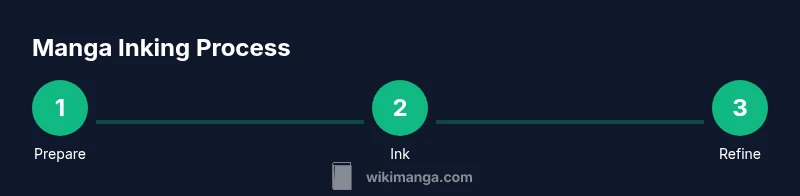
Steps
Estimated time: 60-90 minutes
- 1
Prepare workspace
Set up a well-lit, stable desk with a clean surface. Arrange nibs, ink, and paper within easy reach to reduce interruptions. Ensure comfortable seating to maintain posture during inking.
Tip: Keep a small tray of scrap paper for quick tests before committing to the final line. - 2
Inspect nibs and ink
Check each nib for burrs and smooth edges. Gently clean any dried ink from the nibs before use. Test a few strokes on scrap paper to confirm ink flow is even.
Tip: If ink flow is inconsistent, try a fresh nib or clean the nib and ink well before continuing. - 3
Load ink and prepare nib
Dip the nib into ink to cover the vent hole, then lightly touch the nib on scrap to remove excess. Secure the nib in the holder and ensure it sits evenly. Avoid flooding ink on the surface.
Tip: Keep the nib at a shallow angle during initial strokes to prevent blots. - 4
Find a comfortable grip
Hold the pen with a relaxed grip, letting the wrist and forearm guide most motion. Keep the elbow loose and avoid pinching the pen too tightly. Adjust grip if you experience fatigue.
Tip: A lighter grip helps maintain smoother curves and reduces hand strain. - 5
Test strokes
Practice straight, curved, and circular strokes to assess control. Vary pressure gradually to understand line weight changes. Use scrap paper to refine consistency before inking final panels.
Tip: Aim for clean starts and stops to avoid jagged ends. - 6
Ink basic lines
Begin with primary contours and important features. Keep lines fluid and avoid pausing mid-stroke. Plan weight changes by how you press and by nib choice.
Tip: Use longer, continuous strokes for primary lines and reserve heavier lines for emphasis. - 7
Add weight and variation
Introduce varied line weights by adjusting pressure and nib selection. Thicker lines can imply shadow or bold outlines, while thin lines read as delicate details. Maintain consistency across panels.
Tip: Don’t over-ink; leave white space where needed for balance. - 8
Incorporate shading
Use hatch and cross-hatch techniques to convey shading. Keep hatch directions consistent with light source. Test density on scrap to calibrate tonal values.
Tip: Switch nibs when you need finer texture or heavier tone. - 9
Clean and store
After finishing, clean nibs thoroughly and dry before storage. Return nibs to their case so they stay sharp. Store ink upright to prevent leaks.
Tip: Label your nibs by size to speed up future sessions.
Frequently Asked Questions
What is a manga pen?
A manga pen is a specialized ink tool with various nibs designed to create precise, expressively weighted lines for inking manga. The nibs control ink flow and line weight, enabling clean edges and dynamic shading.
A manga pen is a specialized ink tool for precise lines and shading in manga art.
Which nib should a beginner start with?
Most beginners start with a G pen for versatility, then add a Maru nib for fine details and a straight nib for clean edges. Test each on scrap paper to feel its flow and weight.
A G pen is a common starting point; test others as you gain control.
Can I use non-waterproof ink for practicing?
Practice ink should be waterproof or archival to avoid smudging when you erase pencil guidelines. For final pages, waterproof ink helps prevent smudges under light erasing.
Use waterproof ink for final work to avoid smudges during erasing.
How do I avoid blotting and skipping?
Keep nibs clean, test ink flow, and avoid overloading ink. Use smooth, confident strokes and maintain a steady hand to minimize blotting and skipping.
Clean nibs and testing ink flow helps prevent blotting.
How can I create varied line weights effectively?
Vary line weight by applying different pressures and switching nibs. Plan your heavier lines for outlines and shadows, and use lighter lines for interior details.
Pressure and nib choice control line weight.
What paper works best for manga pens?
Use smooth Bristol board or manga-friendly marker paper that accepts ink without feathering. Heavier papers prevent bleeding and help maintain crisp edges.
Choose a smooth, ink-friendly paper for best results.
Watch Video
Highlights
- Master the basic nibs first to control line weight.
- A clean, well-lit workspace improves accuracy and speed.
- Practice simple strokes before complex characters.
- Maintain nibs and ink to ensure consistent results.