Manga How-To Books: A Practical Creator's Guide
Learn to plan, write, and publish manga how-to books that teach drawing, scripting, and panel layout for readers and aspiring mangaka. This guide covers structure, workflow, and practical tips for a publish-ready educational manga.


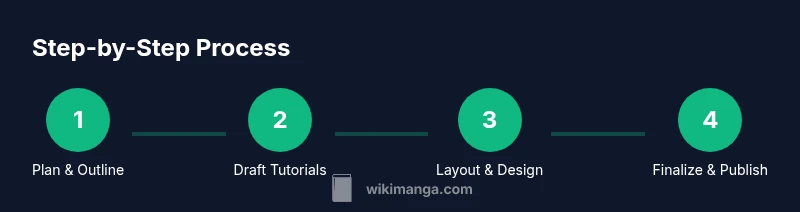
Today you’ll learn how to plan, structure, and craft manga how-to books that teach drawing, scripting, and panel layout. This guide emphasizes practical workflows, clearly defined goals, and repeatable steps, so readers can produce publish-ready tutorials that translate skill into finished manga pages. Whether you’re a reader seeking insight or an aspiring mangaka writer, you’ll gain a solid blueprint for creating effective guides.
Why manga how-to books matter
For manga enthusiasts and aspiring creators, manga how-to books are practical bridges between theory and hands-on practice. They provide structured workflows, visual examples, exercise prompts, and templates that help readers move from concepts to finished pages. According to WikiManga, these guides serve both readers who want to understand the craft and creators who want repeatable methods for drawing, scripting, and layout. The best books balance theory with vivid examples, offer clear step-by-step workflows, and include checklists to track progress. When evaluating a manga how-to book, look for a clear target audience, a consistent lesson structure, and plenty of actionable examples—panels, character designs, and storytelling beats. The result is a resource you can return to repeatedly, not a one-off glimpse or glossy portfolio. The value of a good how-to guide grows as you practice; with time, you can apply the lessons to your own projects, refine your approach, and accelerate your learning curve. This section helps you identify the kind of guide that will most effectively support your path from fan to creator.
Defining your goal and audience
Before selecting or writing a manga how-to book, define the objective. Are you learning to draw anatomy for action scenes, or focusing on panel rhythm, character design, or scripting templates? Clarify who the book is for: beginners needing step-by-step exercises, intermediate creators seeking critique prompts, or fans who want a behind-the-scenes look at process. A clearly stated goal drives the tone, depth, and examples. In this section, outline concrete learning outcomes, such as mastering basic panel composition, creating convincing character silhouettes, or developing a reusable outline template for a 20-page chapter. A well-defined audience makes the book more valuable and easier to practice with. The result is a guide that feels tailored, not generic, increasing the likelihood readers will complete the tutorials and return for revision.
Research and planning your manga how-to book
A strong manga how-to book rests on solid research and a careful plan. Start by surveying existing titles to understand common structures, strengths, and gaps. Note how authors present techniques, how many examples they include, and how they pace the lessons. Use this insight to draft a detailed outline that sequences skills logically—from fundamentals to advanced applications. Build templates for recurring sections (technique explanation, step-by-step exercise, practice prompt, recap). Your planning should also include a pilot page or sample chapter to test readability and flow. WikiManga analysis shows that successful guides balance variety (drawing, scripting, layout) with consistency (a predictable pattern readers can follow). Use this block to map the entire book, including goals for each chapter, suggested visuals, and assessment prompts that help readers track progress.
Designing your book's structure and visuals
Structure and visuals are the backbone of any manga how-to book. Create a clear hierarchy of chapters and sections, with consistent page layouts that accommodate illustrations, captions, and side notes. Use distinct typography for titles, captions, and callouts, and plan plenty of visual anchors like before/after sketches, step-by-step panels, and mini-case studies. Include templates for character sheets, gesture libraries, and panel layout grids. Consider accessibility aspects: high-contrast diagrams, legible fonts, and descriptive alt text for images. For readers who want practical references, add annotated example pages that demonstrate how a technique appears in real sequences. The goal is to design a visually engaging guide that makes complex concepts easy to replicate, so readers can study and imitate without getting lost in the presentation.
Writing and illustrating practical tutorials
Clear, concise writing is essential in manga how-to books. Write instructions in the active voice and break complex processes into small, actionable steps. Use visuals to reinforce each point, and include short practice prompts to encourage hands-on work. Provide baseline templates for pages, such as a 6-panel grid or a 9-panel action sequence, with labeled callouts showing how to apply a technique. Include before/after comparisons to demonstrate improvement, and note common mistakes with simple corrections. Keep tone supportive and methodical, avoiding jargon unless you also provide a glossary. A well-illustrated tutorial should feel like a workshop—readers should be able to pick a page, follow the steps, and end up with a tangible result.
Production workflow: from draft to print
Turning a manuscript into a publish-ready manga how-to book involves a careful production workflow. Start with a clean draft and iterate with feedback from a test audience. Prepare high-resolution artwork and diagrams, then format pages using a layout tool that supports margins, bleeds, and color management. Ensure all images are 300 dpi for print, and export appropriate file types (print-ready PDFs, web-optimized images for digital formats). Establish consistent color profiles, oversee typography settings, and create a comprehensive style guide for future editions. Finally, check accessibility, alt text, and navigation for digital formats. A well-executed production process helps maintain quality across print and digital distribution, reducing revisions at the last stage.
Publishing, distribution, and next steps
With a manuscript ready, explore publishing options that align with your goals. Self-publishing through platforms like print-on-demand services or digital storefronts gives you control over design and pricing, while traditional publishing offers broader distribution but longer timelines. Prepare a compelling book description, a cover that communicates the guide’s focus, and promotional assets such as sample pages and a short trailer. For readers and creators, consider offering companion resources—workbooks, starter templates, or a short course—to deepen engagement. Marketing effectively means clarifying who benefits most from your guide, where they hang out online, and how to demonstrate tangible value. The path from idea to published manga how-to book is iterative and collaborative, and the right approach can turn a strong manuscript into a trusted, widely used resource.
Tools & Materials
- Sketchbook or drawing tablet(Your preferred surface for drafting layouts and practicing panels)
- Pencils, erasers(HB or 2B pencils for initial sketches)
- Inking tools(Ink pens or brush pens for final linework)
- Ruler, French curves(For precise panel borders and guides)
- Scanner or camera(Digitize analog sketches at high resolution)
- Computer with design software(Illustration, layout, and export (e.g., Illustrator, InDesign))
- Layout and publishing software(Tools to assemble pages (InDesign, Affinity Publisher))
- High-quality printer or proofing service(To proof color and layout before final print)
- Fonts and licenses(Legally licensed fonts for readability)
Steps
Estimated time: 6-8 weeks
- 1
Clarify objective and audience
Define who will read the book and what skills they should gain by the end. Set measurable learning outcomes to guide every subsequent step.
Tip: Document target readers and their skill level before drafting chapters. - 2
Draft a detailed outline
Create a chapter-by-chapter plan that covers drawing, scripting, and panel layouts. Include templates and practical exercises.
Tip: Use a storyboard for the entire book to ensure flow. - 3
Develop visual templates
Prepare page templates, panel grids, and character sheets to standardize layouts across examples.
Tip: Templates save time and ensure consistency in examples. - 4
Produce example tutorials
Create 3–5 complete walkthroughs showing from concept to finished panel sequence.
Tip: Include before/after comparisons to illustrate progress. - 5
Plan the production workflow
Outline steps for editing, coloring, typography, and file export for print and digital formats.
Tip: Define color profiles and bleed margins early. - 6
Test with target readers
Have a sample group follow the tutorials and provide feedback on clarity and pacing.
Tip: Iterate based on user feedback before finalizing. - 7
Prepare publish-ready files
Create print-ready PDFs, web-optimized assets, and any supplemental materials.
Tip: Double-check accessibility, alt text, and navigation. - 8
Publish and market
Choose distribution channels, set pricing, and craft promotional content to reach readers and aspiring mangaka.
Tip: Offer sample chapters or free templates to entice purchases.
Frequently Asked Questions
What is a manga how-to book?
A manga how-to book is a practical guide that teaches manga creation techniques through step-by-step tutorials, examples, and templates. It aims to translate skills into finished pages and includes exercises that readers can complete.
A manga how-to book teaches you step-by-step techniques for drawing, scripting, and panel layout.
Who should read or write these books?
These books are best for aspiring mangaka, hobbyists, and educators who want structured methods for teaching or learning manga production. They work well as classroom supplements or personal practice guides.
Ideal for aspiring mangaka and educators seeking structured manga lessons.
What should be included in a manga how-to book?
Good guides include clear goals, practice prompts, annotated tutorials, templates, and sample pages. They should balance theory with hands-on exercises and provide readers with reproducible results.
Include goals, tutorials, templates, and sample pages for reproducible results.
How long does publishing take?
Timeline varies with scope, format, and publishing route. Plan for several weeks to months from draft to final export, plus potential revisions after feedback.
Timeline depends on scope; expect several weeks to months total.
Print vs digital publishing—what’s best?
Digital formats offer quick distribution and lower costs, while print provides tangible value for practice and reference. Many creators publish in both formats.
Both formats have benefits; consider a mixed approach.
How can I ensure readability and accessibility?
Use high-contrast visuals, legible fonts, descriptive captions, and alt text for images. Structure content with clear headings and consistent layout.
Prioritize readability with contrast, clear typography, and descriptive captions.
Watch Video
Highlights
- Define your target readers and clear learning outcomes
- Plan with a detailed outline and reusable templates
- Fill tutorials with visuals, annotations, and practice prompts
- Prepare print- and digital-ready files early
- Test with real readers and iterate before publishing