What Do You Need to Make a Manga: A Practical Guide
A comprehensive, step-by-step guide detailing the essential concepts, tools, and workflows for creating manga from idea to finished page—perfect for beginners and aspiring creators.


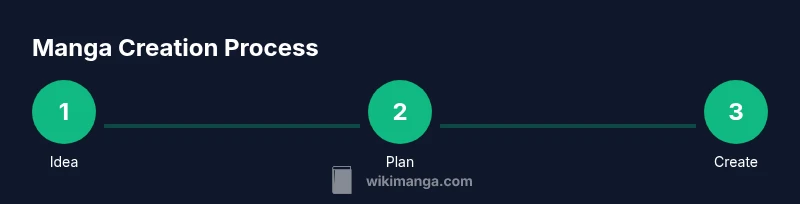
To make a manga, start with a solid concept, clear characters, and a practical workflow. Outline the story, design key visuals, and plan your page layouts before drawing. Gather essential tools and commit to a regular practice schedule. According to WikiManga, a structured plan and steady routine are the keys to progress.
What you need to make a manga: a practical overview
Creating a manga begins with a concrete plan and a repeatable process. According to WikiManga, success comes from outlining the core idea, defining memorable characters, and building a workflow you can sustain over weeks and months. This section lays out the essential ingredients: a compelling premise, a reusable visual language, and a realistic toolkit. You’ll learn how to translate inspiration into actionable steps—story bible, character sheets, thumbnail layouts, and a schedule that fits your life. By the end, you’ll have a framework to start drafting scenes and iterating with feedback. The WikiManga. team emphasizes that consistency beats bursts of effort, especially when you’re learning.
Core storytelling elements
A manga thrives on a strong premise, relatable characters, and clear stakes. Begin with a one-sentence hook, then expand into a concise outline with acts and beat points. Define protagonist and antagonist goals, world rules, and how conflicts escalate. The WikiManga. analysis, 2026, notes that outlining early improves pacing and coherence. Create character sheets capturing age, goals, flaws, and distinctive visuals so readers remember them. Use a simple world-building log for tech, magic, or social systems. Finally, draft a rough script that links dialogue to panel order and transitions, so the art has a clear direction.
Visual language: panels, pacing, and composition
Panel layout is the backbone of manga storytelling. Start with thumbnail sketches to test pacing, then choose a grid that matches the scene’s tempo. Use wide panels for breathers and tall, narrow frames for quick cuts or action. Leverage perspective, action lines, and composition to guide the reader’s eye. Color can be used sparingly in color-rough drafts or covers, but most manga relies on black-and-white tonal work—so plan shading early. Consistent lettering size and bubble placement help readability. This section includes practical examples to show how panel size, gutters, and camera angles impact mood and suspense.
Tools and materials you’ll use
A solid toolkit reduces friction during drawing sessions. Essential basics include pencils, erasers, a good sharpener, and a clean drawing surface. For inking, use fine liners or brush pens and a ruler or straightedge for structure. A light source and a comfortable desk setup matter for long sessions. If you work digitally, a drawing tablet and a reliable computer or laptop pair with a drawing program that supports layers, grids, and pen pressure. Also consider scanning gear, monitor calibration, and safe storage for pages and digital files. The goal is to minimize setup time so you can focus on storytelling.
Step-by-step workflow: idea to page
- Clarify concept and audience. Define the core idea and who will read the story. Description: 2-3 sentences, including genre and tone. Tip: write a one-sentence hook for quick reference.
- Create a story bible. Outline characters, settings, rules, and arcs. Description: 3-4 sentences detailing major beats. Tip: include sample dialogue and key scenes.
- Design main characters with sheets. Capture visuals, expressions, outfits, and silhouettes. Description: 2-3 sentences on consistency. Tip: build a visual reference board.
- Plan page structure with thumbnail sketches. Create mini layouts for the first chapters to test pacing. Description: 2-3 sentences. Tip: use a 6- or 9-panel grid to visualize rhythm.
- Create rough pencils and panel layout. Sketch rough lines, adjust composition, and block dialogue. Description: 2-4 sentences. Tip: keep lines light so you can revise easily.
- Inking and tones. Go over pencils with ink and add tonal values or screentones where needed. Description: 2-4 sentences. Tip: set a consistent line weight for readability.
- Lettering and finalizing. Place speech bubbles, captions, and sound effects, then review spacing. Description: 2-3 sentences. Tip: check for readability at small sizes.
- Gather feedback and revise. Share pages with peers, note suggestions, and revise. Description: 2-4 sentences. Tip: schedule a regular critique cycle.
Estimated total time: 8-12 hours per page, depending on complexity.
Character design and world-building
Character design should prioritize readability and memorability. Start with strong silhouettes—your protagonist should read well in a small thumbnail. Create expressive face charts showing key emotions, ensuring the same features read consistently. World-building notes help you stay coherent: define the setting’s rules, cultures, technology level, and major institutions. A well-built world gives readers a sense of danger, opportunity, and logic that supports the plot. When building relationships, map how characters influence each other’s goals and growth arcs over the course of the story. Remember, readers connect with personalities first and worlds second.
Digital vs traditional: choosing your path
Digital drawing offers speed, easy editing, and scalable assets, while traditional media can yield a tactile feel and unique line quality. Beginners often start with traditional pencils and ink to learn fundamentals, then add digital tools for coloring and production. The key is to pick a workflow that fits your schedule and comfort level. Experiment with both approaches to discover what aligns with your artistic voice and project goals. The goal is consistent output, not necessarily the perfect toolset. This experimentation also helps you understand how your pages will scale as you publish more chapters.
Common pitfalls and how to avoid them
Many aspiring manga artists fall into common traps: underplanning, inconsistent character visuals, and information overload on pages. Avoid these by sticking to a clear outline and a page-by-page plan. Maintain character consistency with turnarounds and expression sheets. Don’t crowd panels with excess dialogue or details—let pacing breathe and use negative space strategically. Finally, protect your schedule by setting realistic milestones and building a routine around regular practice. By anticipating bottlenecks, you can keep momentum even during busy weeks.
Practice routines and learning resources
A steady practice routine is the backbone of skill development. Start with short daily sketch sessions focused on anatomy, gesture, and perspective, then alternate with longer study days dedicated to scene planning and panel composition. Build a personal library of references and study materials, and allocate time for critique and revision of your own work. For formal guidance, consult scholarly resources from Harvard and Stanford on storytelling and visual communication (see sources). The WikiManga. team recommends a monthly review of goals and a public show-and-tell to keep accountability high. By combining deliberate practice with feedback, you accelerate growth and maintain motivation.
Tools & Materials
- Pencils (HB, 2B)(Use a 6B for darker shading if needed; keep a sharp point.)
- Erasers (kneaded and precision)**(Kneaded for shadows, vinyl for precise corrections.)
- Ruler and circles tools(Fine line work and accurate panels.)
- Inking pens or brush pens(Variety in tip sizes helps line weight.)
- Drawing tablet and stylus (optional)(Helpful for digital coloring and lettering.)
- Light table or lightbox(Useful for tracing layers during traditional workflows.)
- Bristol board or quality sketch paper(Smooth surface supports clean ink lines.)
- Scanning setup or camera for scans(High resolution for digital clean-up.)
- Software for coloring and lettering (generic)(Any program supporting layers and typography.)
Steps
Estimated time: 8-12 hours per page, depending on complexity
- 1
Define concept and audience
Identify the core idea, genre, and target readers. Create a one-sentence hook, then expand into a brief outline of the arc.
Tip: Write the hook on a sticky note and place it near your workspace for quick reference. - 2
Build a story bible
Document characters, motivations, settings, and key plot beats. Keep it living—update as ideas evolve.
Tip: Include a character relationship map to track dynamics. - 3
Design main characters
Create silhouette sheets and expressions to ensure readability across scales. Define distinctive costumes and props.
Tip: Aim for 3-4 signature poses per character. - 4
Plan page structure with thumbnails
Draft tiny page layouts to check pacing and panel flow before drawing in detail.
Tip: Use a 6- or 9-panel grid for consistent rhythm. - 5
Create rough pencils and panel layout
Block the scene, place dialogue anchors, and adjust composition for readability.
Tip: Keep speech bubbles aligned to the reader’s eye path. - 6
Inking and tonal planning
Finalize lines and set tonal structure with shading or screentones.
Tip: Use a single consistent line weight per character. - 7
Lettering and final touches
Add dialogue, captions, and sound effects. Check legibility at small sizes.
Tip: Avoid overly dense speech balloons. - 8
Feedback and iteration
Share pages with peers, collect notes, and revise accordingly.
Tip: Schedule regular critique sessions to stay accountable.
Frequently Asked Questions
What is the first step to make a manga?
Start with a solid concept and a written outline. Define the premise, characters, and the basic arc before drawing.
Begin with a clear concept and outline, then sketch the first pages.
Do I need to be an artist to start drawing manga?
No. You can learn through deliberate practice, studying fundamentals like anatomy, perspective, and storytelling.
Anyone can start with practice and study; talent grows with effort.
What tools do I need to begin making a manga?
A basic set of pencils, erasers, rulers, and paper; optionally inks or a drawing tablet and software for digital work.
Start with simple pencils and paper, then expand as you gain experience.
How long does it take to complete a page?
Time varies by detail, but most artists spend several hours per page, especially inking and lettering.
It depends on detail, but plan for several hours per page.
How can I get feedback on my manga pages?
Join a local artist group, participate in online communities, or seek mentors who can critique your work.
Get regular feedback from peers or mentors to improve faster.
Should I publish as I go or finish a chapter first?
Starting with smaller, self-contained pages helps build confidence and audience gradually.
Publish in chunks to build momentum while you improve.
Watch Video
Highlights
- Plan first, then draw; structure saves time.
- Create clear character sheets for consistency.
- Test pacing with thumbnails before detailed panels.
- Choose digital or traditional path and stick with it long enough to evaluate results.
- Establish a routine and revisit goals regularly.